Who is Suitable for Orthodontic Treatment?
You might be a student, a white-collar worker, or a parent in the bustling streets of Istanbul. Does that “crooked tooth” that catches your eye every time you look in the mirror restrict your smile in photos? Or do you wake up with jaw pain in the mornings? Often perceived as “adolescent treatment” in society, Orthodontic Treatment (Orthodontics) is actually an aesthetic and functional health solution suitable for everyone from 7 to 70 years old.
What is Orthodontics?
Is it Just “Putting on Braces”?
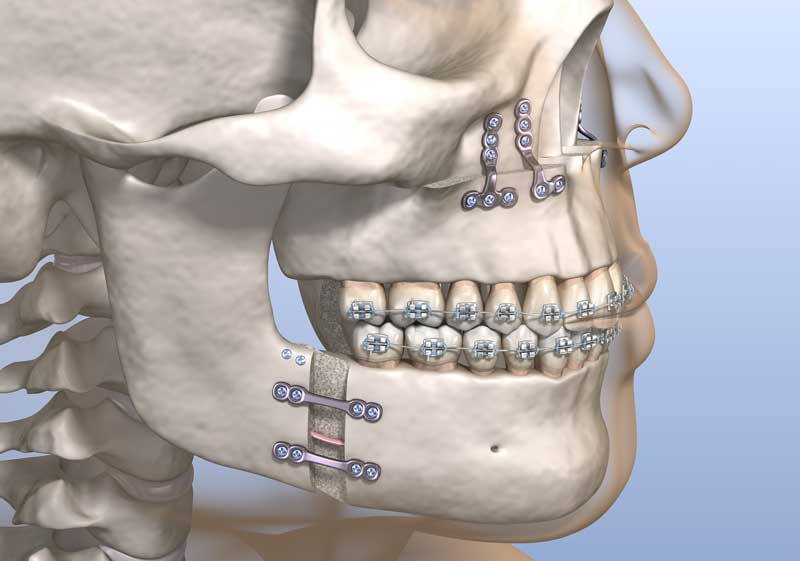
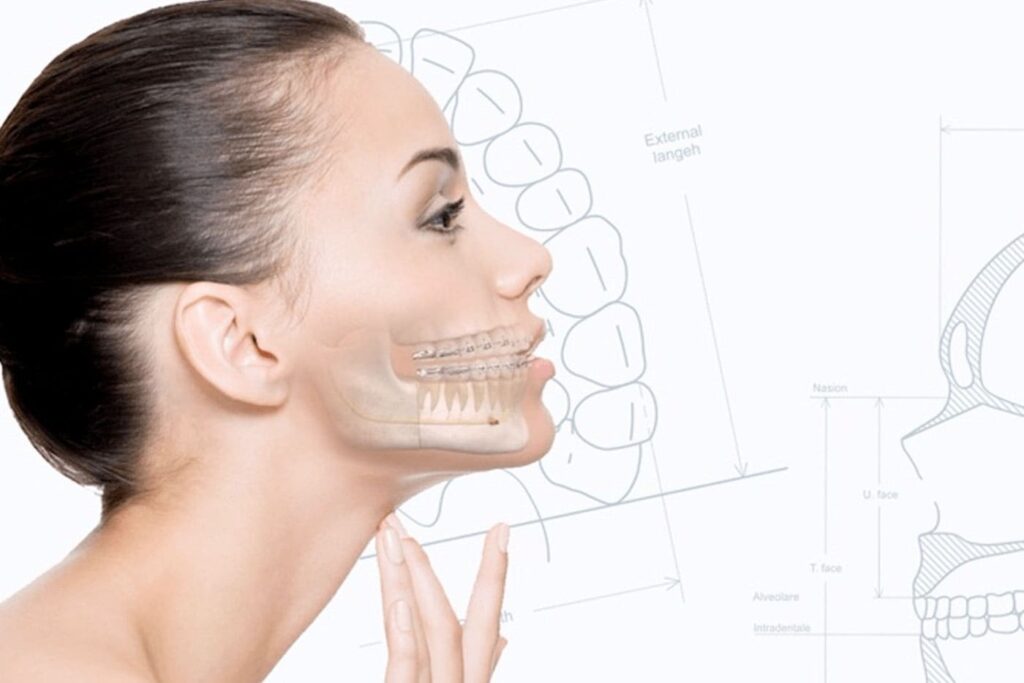
Orthodontics comes from the Greek words “Orthos” (straight) and “Odons” (tooth). However, today it not only straightens teeth; it also regulates the positions of the upper and lower jaws relative to the base of the skull and to each other (Jaw Orthopedics).
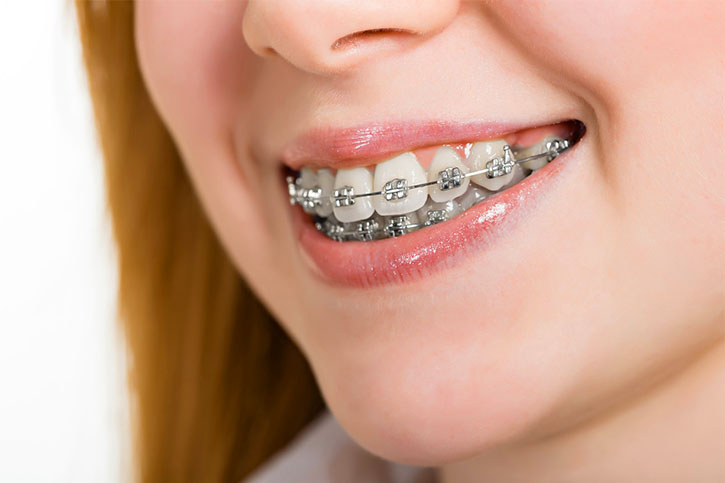
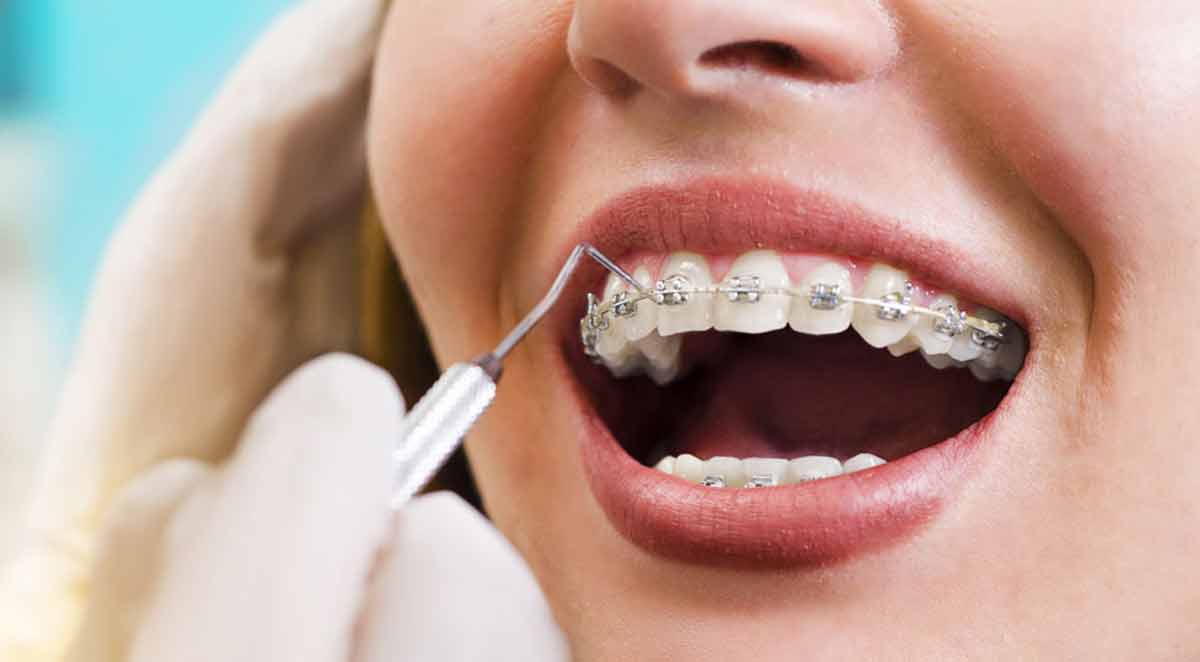
Brace treatment is the art of moving teeth to their ideal positions by applying gentle and constant force to them through brackets glued to the teeth and wires passing through them. This process is critical not only for “looking good,” but also for keeping your teeth in your mouth for a lifetime. Because crooked teeth cannot be cleaned, and teeth that cannot be cleaned decay and lead to gum disease. Who “Absolutely” Should Get Treatment? Medical Necessities
There are some situations where braces are not an aesthetic choice, but a medical necessity. If you are experiencing any of the following symptoms, it’s time to see an orthodontist in Istanbul:
- Crowding and Overcrowding
The teeth don’t fit in the jawbone, they overlap, or they are rotated. This makes brushing impossible and invites interproximal caries. - Diastema (Separated Teeth)
There are noticeable gaps between the teeth. These gaps can cause gum recession and speech disorders (lisping). - Open Bite
When you clench your back teeth, your front teeth don’t touch each other, leaving a gap. This impairs the biting function and leads to incorrect tongue use. - Deep Bite
The upper teeth completely cover the lower teeth. This situation restricts the movement of the lower jaw and leads to serious problems in the temporomandibular joint (TMJ). - Crossbite
The condition where the upper teeth remain inside the lower teeth. It can cause asymmetrical jaw growth and facial curvature.
Suitability by Age Group: “Is it too late for me?”
This is the most frequent concern we hear in clinics in Istanbul. The answer is clear: No, as long as your teeth and gums are healthy, there is no age limit for orthodontic treatment.
1. Children (7-12 Years): Preventive Period
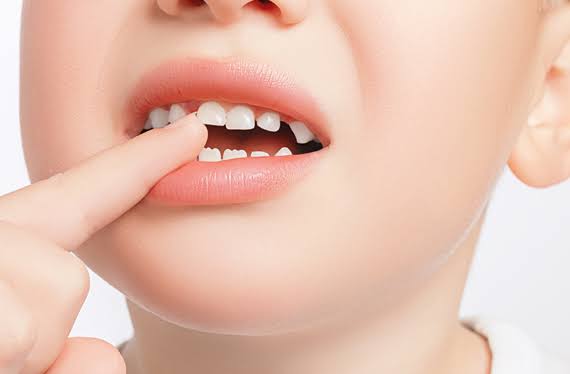
The American Orthodontic Association recommends that the first examination be done at age 7. Interventions performed during this period, while baby teeth are still in the mouth (jaw expansion, etc.), can eliminate the need for braces later on or significantly shorten the process.
2. Young People (12-18 Years): The Golden Age
This period, when permanent teeth have fully developed and the growth spurt (puberty) continues, is when treatment yields the fastest results. The jawbone is still malleable. 3. Adults (18+ Years): Aesthetics and Function
You now see many adults wearing braces in offices in Maslak or Levent. Since bone growth stops in adults, only tooth movement can be done (surgery may be required for skeletal problems). However, straightening teeth is possible at any age.
Myth: “Braces don’t work on adults.”
Fact: Teeth biologically move within the bone, and this mechanism is the same at age 15 as it is at age 55. The only difference is that because bone density is higher in adults, the treatment time may be 10-20% longer than in children. However, the result is equally successful.
Adolescents (12-18 Years): The Golden Age
This period, when permanent teeth have fully developed and the growth spurt (puberty) continues, is when treatment yields the fastest results.
Treatment Options in Istanbul: Switching from Metal to Transparent
If you say, “I want to get braces but I’m embarrassed by the metallic look,” technology is on your side. Comparison of methods applied in modern clinics in Istanbul:
| Method | Visibility | Comfort | Who is it suitable for? |
|---|---|---|---|
| Metal Brackets | High (Gray color) | Medium (May cause irritation inside the lip) | Children and teenagers (Most durable and economical) |
| Porcelain (Clear) Brackets | Low (Tooth (in color) | Good | Adults and young people with aesthetic concerns |
| Lingual Orthodontics | Invisible (Attached behind the teeth) | Low (May irritate the tongue) | Professionals who want complete privacy |
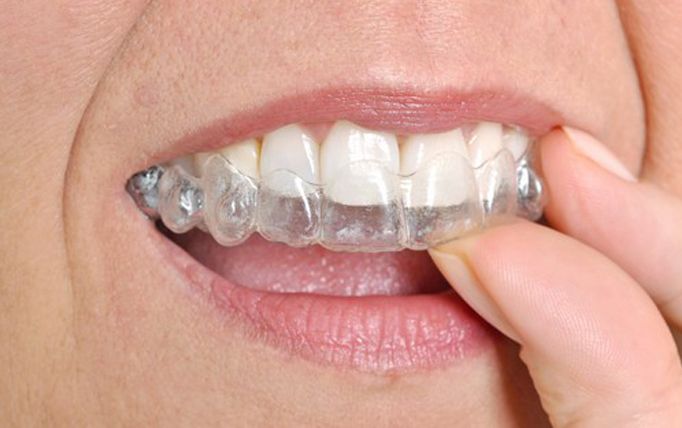
| Transparent PAligners (Wireless Treatment) | Almost Invisible | Very High (Removable) | Adults in Istanbul’s fast-paced life (Digital Orthodontics) |
📍 Istanbul and the Clear Aligner Trend
Going to the dentist every month to tighten braces can be difficult in Istanbul’s traffic. Therefore, clear aligner (Invisalign, etc.) treatments have gained great popularity. You change your aligners yourself at home, and you see your dentist every 6-8 weeks. The freedom to remove them during business meetings or meals is a great advantage for metropolitan people.
Who is NOT Suitable? (Contraindications)
Although braces are a great treatment, in some cases different treatments should be prioritized:
- Those with Active Gum Disease: In individuals with bleeding gums and bone loss, tooth movement can lead to tooth loss. Gum (Periodontal) treatment should be completed first.
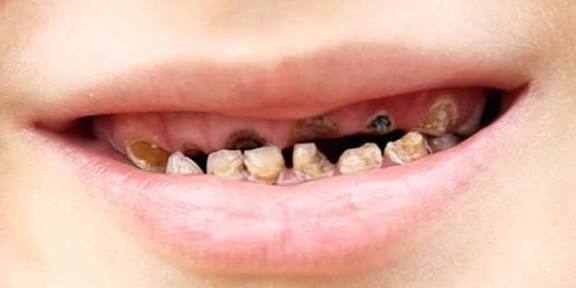
- Those with Many Cavities: In individuals with poor oral hygiene, wearing braces can increase food accumulation and accelerate cavities. First, good hygiene habits must be established.
- Those at Risk of Root Resorption: If the root tips of teeth that have previously suffered trauma are prone to resorption, orthodontic forces can accelerate this resorption.
Conclusion: Don’t Delay Your Smile
Orthodontic treatment is a journey from “ugly duckling” to “swan.” It’s not just about an aesthetic smile; it also allows you to chew better, speak more clearly, and gain a healthy jaw joint.
If you live in Istanbul, your options are limitless. From metal brackets to AI-assisted clear aligners, there is definitely a method that suits your budget and lifestyle. Put aside excuses like “I’m too old” or “It will look bad.” Remember, you will spend the rest of your life with that smile; a 1-1.5 year treatment process is a very small price to pay for lifelong self-confidence.