Types of dental fillings vary depending on the problem you’re experiencing and the type of tooth to be filled. To address your dental problems, you should visit a dental clinic and have an oral examination immediately. After the examination, your dentist will take X-rays and identify the teeth that need fillings.
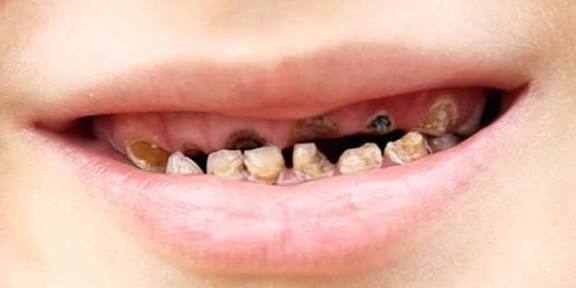
As soon as you notice a cavity, consult your dentist immediately for easier treatment. At this stage, the filling will be smaller and the procedure will be quicker. Your dentist will numb the nerve of your tooth using an anesthetic injection. Then, using special dental materials, the decayed portion of the tooth is cut away and completely removed from the healthy portion.
The fillings your dentist chooses vary depending on the tooth being treated and the extent of the decay. Filling types and differences vary depending on the material used. The type of filling most suitable for the mouth is chosen based on the type of tooth being treated, and the decay is treated accordingly.
Filling Types and Differences
Which filling is suitable for whom? To make this determination, your dental condition and oral structure should first be evaluated by a specialist. The most commonly used dental fillings include amalgam, composite, porcelain, glass ionizer, gold, composite inlays, and fissure sealants.
Dental fillings vary depending on their compatibility with tooth structure and color. Amalgam fillings are preferred for molars. This type of filling contains a mixture of silver and other metals. It is a very durable filling type.
Porcelain filling
Porcelain fillings are the preferred filling type for repairing major damage. These fillings are applied in two ways: inside the tooth (inlay) and on the tooth (onlay). Porcelain fillings are made from highly aesthetic and durable materials produced in a laboratory environment.
Composite filling
Composite fillings help achieve an aesthetic appearance that matches the color of your teeth. They are primarily used on front teeth. Composite inlay fillings help repair minor damage. Composite inlay fillings complement the aesthetic appearance produced in a laboratory environment.
Gold filling
Gold fillings are another preferred dental material and application type due to their durability. They are generally used in molars. However, they are less aesthetically pleasing than other fillings. Their high cost and the high technical precision required in their production make them rarely preferred.
Glass ionomer fillings
Glass ionomer filling is made of a fluoride-containing, extrudable material. This helps prevent new cavities. It can be preferred for both children and adults.
Fissure sealant fillings
Fissure sealants are especially preferred in children. They are a type of filling used to cover the surfaces of teeth that are vulnerable to decay. Fissure sealants are used to prevent decay, especially in children during the tooth transition period.
Candidates for dental filling
Candidates for dental fillings are individuals who have decay in some of their teeth or have lost some of their teeth due to an accident. Your dentist will completely remove the decay from the tooth and fills the cavity with dental material.
Which Filling Is Suitable For Whom?
Appliances such as fissure sealants help prevent tooth decay in children. Some filling types vary depending on the specific circumstances in the mouth and the tooth to be treated. Therefore, determining which filling is appropriate for each tooth is more important than determining who is suitable for whom.
You can consult your dentist to determine the most appropriate filling for your specific dental problem. Your doctor will analyze the general condition of your teeth and identify any decay in one or more teeth. They will then treat these teeth.
In more advanced stages of decay, root canal treatment or bridgework may be recommended. Filling treatment while not yet very advancedWith this, you can achieve a healthy tooth structure. This way, your teeth can regain their former function.
Other filling procedures include fillings designed for specific situations. If you have problems with tooth separation, fractures, or decay, you can have your tooth filled. If you have a tooth separation, a custom filling is made for the spaced tooth. This treatment is called bonding. After the location of your tooth decay is determined, you can have the appropriate filling selected for your teeth and have your treatment completed.
If the filling is not suitable for your tooth, it won’t fit properly. Improper filling can cause pain, tingling, and sensitivity. Tooth structures are different, and therefore, the materials used also vary. A dentist specializing in fillings will examine your mouth and teeth and provide a planned solution to your dental problems.
After Filling Care
The damage caused by tooth decay is repaired with a filling. A filling is a structure that replaces the decayed area. However, it cannot integrate with the tooth as well as the natural tooth structure. Therefore, post-filling care is extremely important. You should be careful to brush and keep your tooth clean regularly after a filling.
Post-filling care tips include regular tooth brushing, oral care, and eating healthy foods. In addition to brushing, flossing and tongue cleaning are also helpful in maintaining oral hygiene and eliminating bad breath.
Chewing gum, in particular, is a precaution, as it can dislodge the filling. You should also avoid sticky foods, such as those your dentist has instructed you to avoid.
Choosing the right toothbrush and toothpaste can help you maintain an effective oral hygiene. Using an interdental brush can help remove debris accumulated between the filling and other teeth. This can help prevent new cavities from forming after the filling.
You should be careful to follow your dentist’s recommendations for post-filling care. Immediately after the filling, you should refrain from eating or drinking until the numbness in your mouth subsides. You can then return to your daily routine. It’s normal to experience some discomfort for up to a week after the filling. If you experience any discomfort beyond your expectations, you should consult your dentist.
Filling Costs
When you want to get a dental filling, you may find that different clinics have different pricing options. The cost of a dental filling varies depending on the quality of the materials used and the pricing policy of your chosen clinic. The cost of a filling depends on the type of filling, the extent of the decay, and whether additional treatment is required. Dental plaque removal, intraoral X-rays, the number of fillings, the type of filling material, and the duration of treatment all affect dental filling prices.
You should prioritize the services and professionalism of your chosen clinic, as well as the cost of a dental filling. You should choose a clinic that understands your mood and concerns and uses state-of-the-art equipment. All treatments must be personalized to the patient. Everyone’s mouth andThe severity of the complaint varies. You should ensure that you choose specialists who can provide the right treatment by acting in accordance with the patient’s psychological and general physiological state.
Everyone’s anxiety level is also different. It’s especially important to provide services to those with dental phobia with a calming approach. Psychology and physiology work together. When the patient is psychologically relaxed, they also feel physically relaxed. The likelihood of unwanted side effects such as sweating, tension, and low blood pressure decreases. This also prevents any unexpected effects during the procedure. Once psychological comfort is achieved, the treatment is planned and the most appropriate solution is presented.
Comparison of Fillings and VeneersFillings are the most common treatment for caries. Comparing fillings and veneers can help determine which treatment is most appropriate.
Filling or Veneer?
The distinction between fillings and veneers is generally determined by the extent of the decay and damage in the tooth. A filling is preferred when the tooth is 80% intact. A combination procedure can be performed on a tooth that is 60% healthy. This involves both a filling and a veneer, completely filling and covering the hollowed-out area. When the tooth is 40% intact, a veneer is preferred. The decision is made by a specialist after examining the tooth structure.
For information about fillings and veneers and to receive professional treatment, please contact the OPC expert team.