When is Impacted Tooth Surgery Necessary?
Have you ever felt that sharp pain suddenly hitting your ear and throbbing in your temples while struggling with the heavy traffic and work stress of Istanbul? Or have you woken up in the morning with one side of your face swollen and difficulty opening your mouth? If your answer is yes, you have probably encountered an impacted tooth (usually a wisdom tooth) trying to “wake up” deep within your jawbone.
Most patients tend to postpone impacted tooth surgery with the logic of “If I don’t have pain, there’s no problem.” However, in dentistry, impacted teeth are likened to “time bombs” that progress silently and cause great damage when they explode (become infected).
What is an Impacted Tooth? Why Can’t It Erupt?
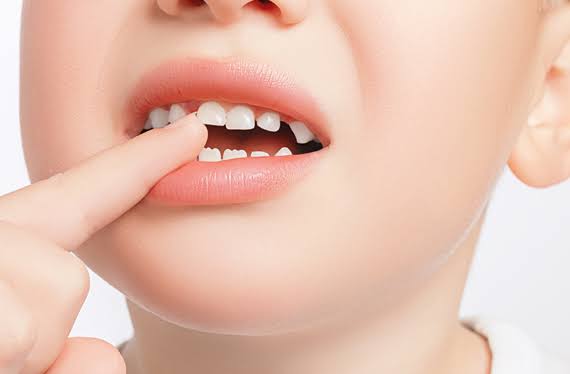
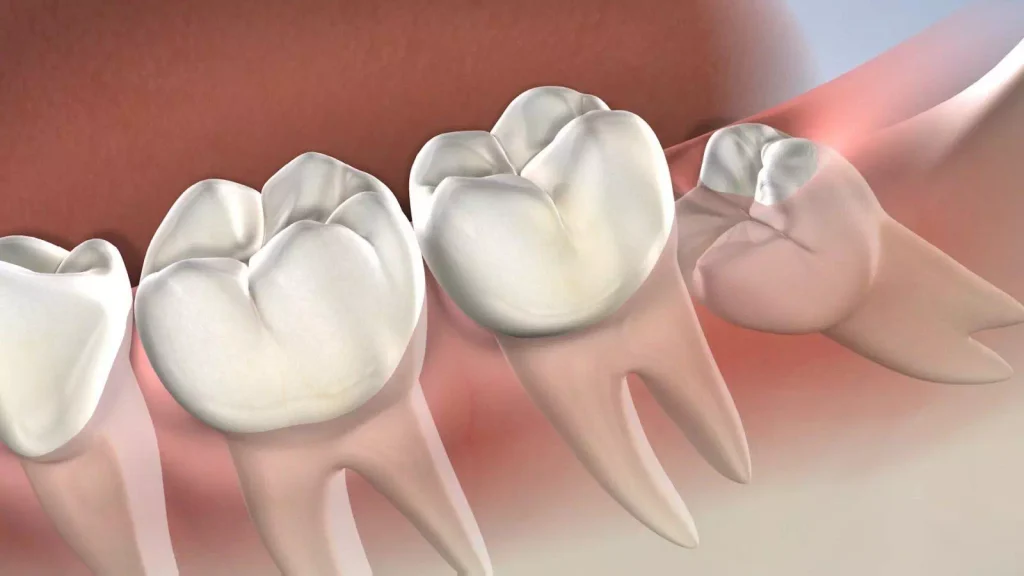
An impacted tooth is a tooth that, despite reaching its eruption time, fails to fully emerge into the mouth due to insufficient space in the jawbone, thick bone/gum tissue above it, or an incorrect position.
During the evolutionary process, as human eating habits changed (softer and cooked foods), our jaw structure became smaller. However, the number of teeth (32 teeth) remained the same. Due to this mismatch, the last teeth to erupt, the wisdom teeth (3rd molars) and sometimes the canines, cannot find space and remain impacted.
🦷 Fully Impacted vs. Partially Impacted
Fully Impacted: The tooth is completely under the bone and gum. It is not visible in the mouth at all. It usually carries a risk of cysts.
Partially Impacted: Part of the tooth has erupted, and part is under the gum. This is the most dangerous type! Because food particles that get stuck under the gum from the erupting part cannot be cleaned and lead to a severe infection called “Pericoronitis”.
7 Critical Situations Where Surgery is “Mandatory”
In oral surgery clinics in Istanbul, we consider the following criteria when deciding to extract an impacted tooth. If any of these symptoms are present, delaying will only worsen the problem.
- 1. Pericoronitis (Recurrent Infection)
This is inflammation of the gum tissue over a partially impacted tooth. It manifests itself with severe pain, bad breath, taste disturbances, and inability to open the mouth (Trismus). It resolves with antibiotics but inevitably recurs. The definitive solution is extraction. - 2. Damage to Adjacent Tooth
Impacted teeth are usually positioned horizontally or at an angle. While trying to grow, they put pressure on the root of the healthy second molar in front of them. This pressure causes the root of the healthy tooth to erode (resorption) or decay. You can lose two teeth because of one impacted tooth. - 3. Cyst and Tumor Formation
The “follicle” sac around the impacted tooth can, over time, collect fluid and turn into a cyst (Dentigerous Cyst). These cysts grow silently, erode the jawbone, and can lead to jaw fractures. - 4. Orthodontic Reasons (Tooth Misalignment)
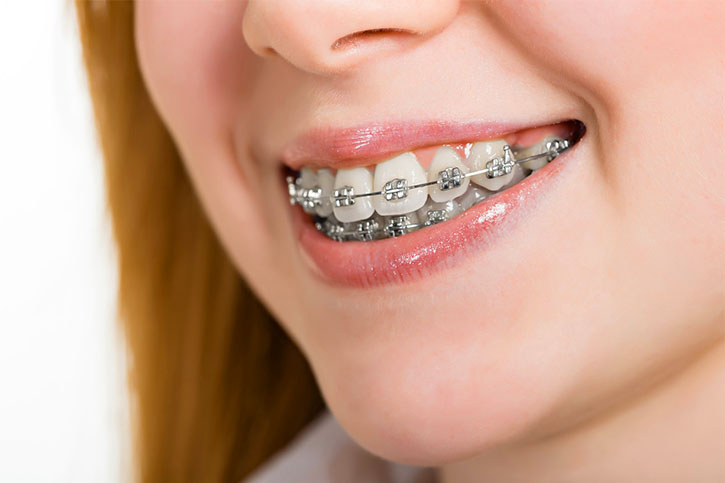
Impacted teeth create a “domino effect” by pushing the teeth in front. Misalignment and crowding begin especially in the lower front teeth. In patients undergoing orthodontic treatment, impacted teeth should be removed to prevent the treatment from being disrupted.
5. Unexplained Facial Pain
Pain radiating to the ear, temple, or jaw area, even without any decay, may be caused by pressure on the nerves from an impacted tooth.
“I Have No Pain, Should I Still Have It Extracted?”
This is the most frequently asked question by patients. The logic of “If it’s not causing problems, let’s not touch it” is not always correct. Why?
Age Factor: At a young age (18-25), the jawbone is more flexible and healing is very fast. After the age of 40, the bone hardens, surgery becomes more difficult, and healing slows down. It is the most sensible approach to have a tooth that is certain to cause problems removed while young.
Silent Cavities: Cavities that cannot be cleaned begin in the narrow space between the impacted tooth and the tooth in front of it. By the time the pain starts, it’s usually too late, and root canal treatment is necessary.
Surgical Process in Istanbul: No Room for Fear
Istanbul is the center of modern surgical techniques and technology. Impacted tooth surgeries are no longer the dreaded nightmares of “hammer and chisel” procedures.
😴 Sedation Option: Treatment While Asleep
Especially for patients with surgical phobia (dentophobia) or those who want to have 4 impacted teeth extracted at the same time, Sedation (Semi-sleep state) is applied in clinics in Istanbul. With medication given intravenously, the patient feels deep relaxation, does not remember the procedure, but does not completely lose consciousness. When they wake up, the procedure is finished.
Comparison: Normal Extraction vs. Surgical Extraction
What is the difference between impacted tooth surgery and normal tooth extraction?
| Feature | Normal Tooth Extraction | Surgical Impacted Tooth Operation |
|---|---|---|
| Tooth Location | In the MouthIt is completely visible. | It is under the bone or gum. |
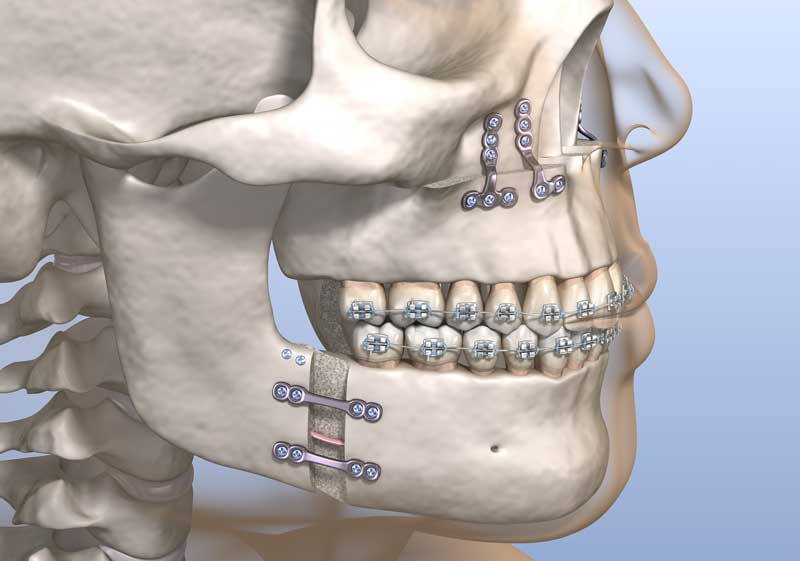
| Procedure | It is grasped and pulled with forceps. | The gum is opened, the bone is lifted if necessary, and the tooth is divided and removed. |
| Duration | 5 – 15 minutes. | 20 – 45 minutes (depending on the difficulty). |
| Stitches | Usually not necessary. | Stitches are usually applied (after 1 week). (taken). |
| Recovery | 1-2 Days. | 3-7 Days (Swelling may occur). |
Post-Operative Care
The secret to a successful operation is 50% in the surgeon’s hands and 50% in the patient’s care.
- Ice Application: Applying ice externally for 10 minutes at a time during the first 24 hours minimizes swelling (edema).
- Smoking Ban: Smoking during the first 48 hours disrupts the clot and leads to a very painful bone inflammation called “Alveolitis” (Dry Socket). Absolutely forbidden.
- Nutrition: In the first few days, consume only soft, warm foods (soup, puree, ice cream) without solid particles.
⚠️ Important Warning: Medication Use
Do not stop taking the antibiotics and painkillers prescribed by your doctor after surgery just because “the pain is gone.” Impacted tooth surgeries are procedures prone to infection; using your medications regularly is the most important part of the healing process.
Conclusion: Don’t Delay, Get Rid of It
Impacted tooth surgery is not a nightmare to be feared, but a strategic move you should make for your oral health. Instead of using antibiotics several times a year, missing work due to facial swelling, or living with the risk of losing other teeth; you can solve this problem completely by consulting expert oral surgeons in Istanbul.
Remember, an impacted tooth that seems problem-free may be the calm before the storm. Protect your smile with early diagnosis and timely intervention.