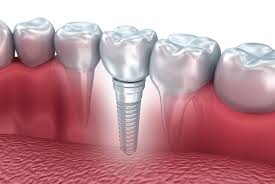
Dental implants are one of the treatment options that can be tailored to a person’s oral structure and health. Lost teeth or teeth that have become so unhealthy that they are no longer effective can be replaced with implants. Dental implants are defined as the treatment of filling gaps in the mouth with an artificial tooth. Saving the tooth with a filling or root canal treatment is the priority until implant treatment is available.
However, if the tooth has decayed down to its nerves or is no longer able to support a filling, implants are preferred. Tooth loss prevents proper chewing. Soft foods like bread and dough get trapped in the gaps. These accumulate in these spaces, causing tooth decay when in contact with these residues. To prevent this, a dental crown is placed over artificial tooth roots to create an artificial tooth. This allows for healthy chewing.
You can also contact the OPC Clinic expert team to schedule an appointment for implants, fillings, root canal treatment, and orthodontic treatments.
What are Dental Implants?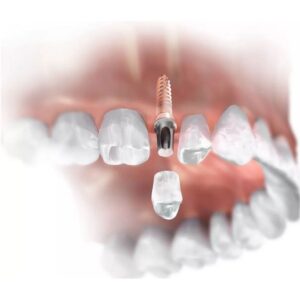
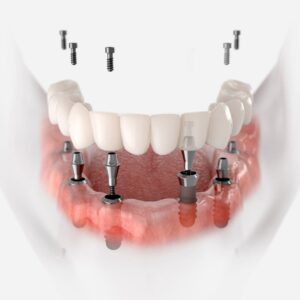
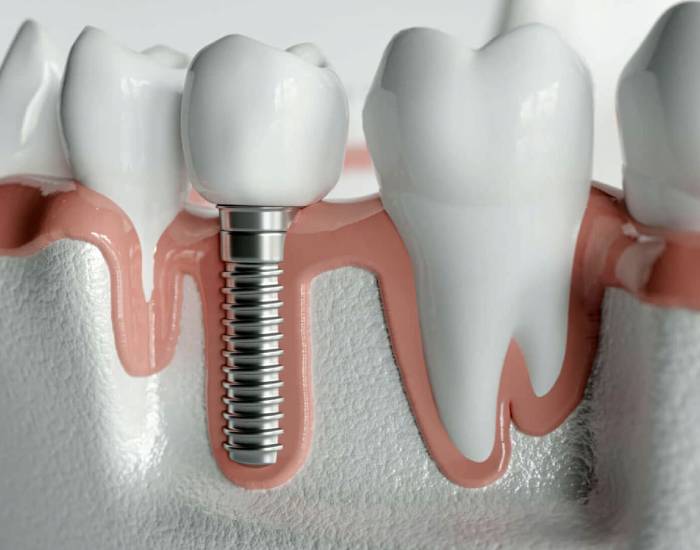
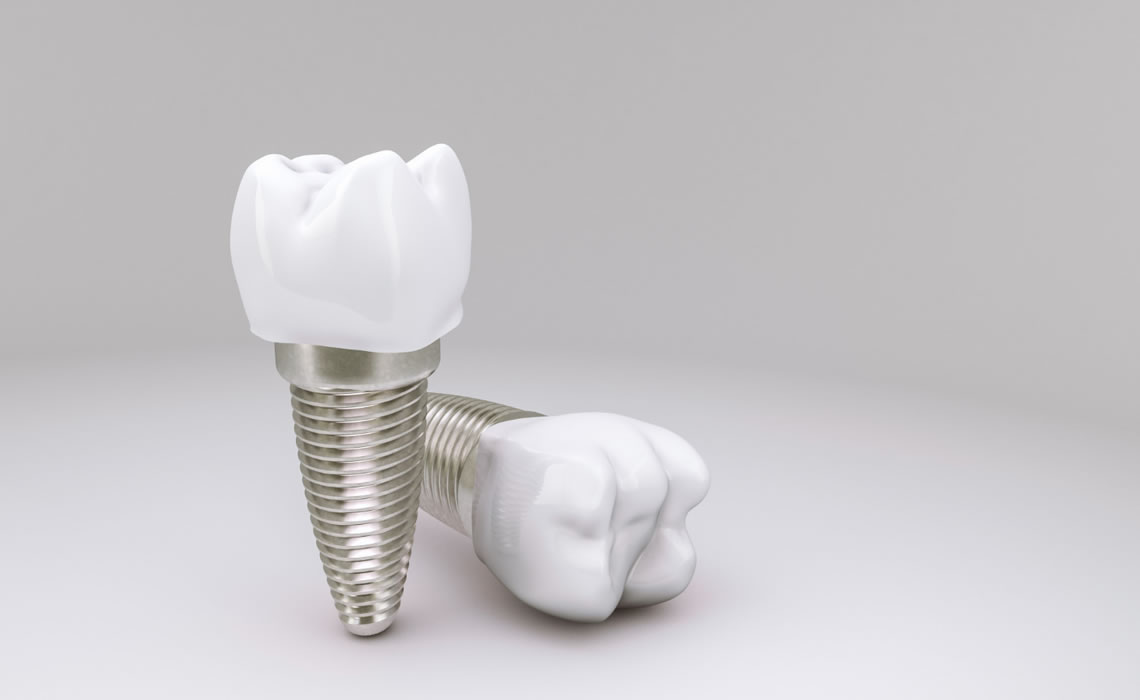
Dental implants are artificial teeth created by placing a dental crown over root screws placed in the jawbone. Implants, which appear like normal teeth from the outside, are first placed in the jawbone using screws and a temporary filling applied over them.
After the jawbone heals and the mouth adapts to the new tooth, a permanent crown is placed in place of the temporary filling. Implants are generally one of the treatments used for single tooth loss, especially when the surrounding teeth are not suitable for a bridge. Dental implant candidates are individuals whose jaw and palate are suitable for the screw-fixation method. For individuals with a single tooth gap, an oral X-ray is taken to determine their suitability for treatment. If the jawbone and palate are strong enough to support the implant, treatment is performed on the scheduled date. Implant application is typically a 10-minute procedure.
Dental implant treatment typically lasts 3-6 months, depending on the individual’s healing process. Once the healing process is complete, a permanent crown is applied. The treatment process concludes. The crucial factor is the suitability of the individual’s mouth for treatment. Following the initial examination, the necessary procedures and any additional treatments are determined. Dental implants come in many types. However, titanium implants are the most common today. These implants distribute the chewing load across the entire jawbone, making eating easier.
 Who Are Dental Implants For? Is it suitable?
Before dental implants are placed, the patient should be evaluated for both their oral health and general health. If your oral structure is suitable for implants, you can plan your treatment with your doctor. You may need additional treatments in addition to implants. In this case, your other treatments will be completed first. Then, you can schedule an appointment for implant placement.
The screwing procedure can be performed on the same day under local anesthesia. If you are taking aspirin or blood-thinning medication for any reason, you should inform your doctor before the procedure. This will eliminate the risk of excessive bleeding by stopping blood-thinning medications for a certain period of time. You should also share any necessary health information with your physician about any other chronic conditions you may have. A possible risk factorIf there is a doctor, the procedure may be postponed, or if your health condition is unsuitable, implant treatment may not be performed.
Who are dental implants suitable for? Dental implants are primarily suitable for individuals with a single missing tooth. In those with a single missing tooth, implants can fill the gap without having to cut adjacent teeth. Another factor to consider here is the individual’s general health. Implants are also a commonly preferred treatment method for individuals whose jawbones have lost their healthy, hard structure due to age or disease. Implants cannot be applied to individuals whose jawbones have lost their healthy, hard structure due to age or disease.
After the implant is placed, the jawbone is allowed to surround the dental screws during the waiting period. This allows a new root to form for the teeth. If there is an infection in the teeth, the extraction is postponed until the infection resolves. Following antibiotic treatment, the tooth is extracted. Titanium tooth roots are screwed into the bone. Painkillers are recommended for the patient to take for a day or two after the procedure to alleviate any pain.
Implant Treatment Process
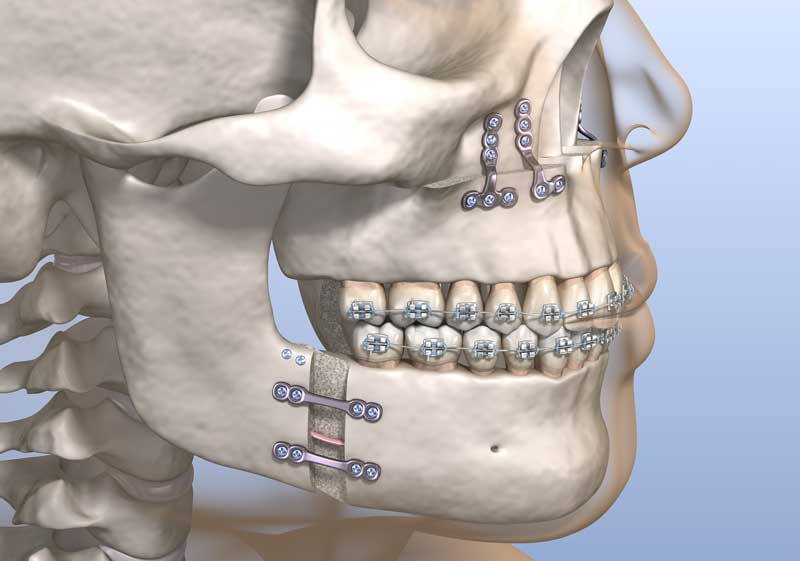
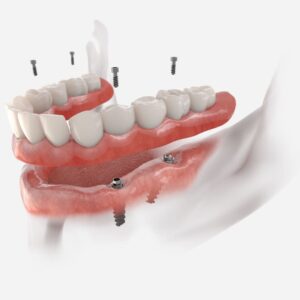
It’s safe to say that the implant treatment process is largely proportional to the healing process. After the initial application, it may take up to 6 months for the body to accept the screws and heal. If the screws have fused to the jawbone and no problems are evident, the next stage can be progressed. Implant applications can be performed on a single or entire jaw.
The amount of pain and discomfort you experience may vary for these different applications. However, you will not feel any pain or discomfort during the procedure. Pain, soreness, and mild swelling may last for several days with multiple implant applications.
The first phase of implant treatment is the initial examination and treatment planning. The second phase is the transition to the procedure. First, the tooth is extracted. Depending on the patient’s condition, the extraction and subsequent screw placement can be performed the same day. The treatment process is different for everyone, as the individual’s general health significantly impacts the healing process.
The healing process may differ for people with chronic conditions such as diabetes, high blood pressure, or heart disease. If you experience any additional discomfort, such as pain and tenderness, from the procedure, you can schedule a new appointment immediately.
 Implant Cost
Every treatment has a specific duration and corresponding cost. Dental treatment requires expertise in both dentistry and surgery. Therefore, when researching pricing, it’s important to also assess the satisfaction level of the clinic you’ll be receiving the service from.
Furthermore, the cost of implant treatment may seem high at first. However, if you consider the comfort and quality of the treatment, the amount you pay will pay for itself over time.
The treatment you receive is entirely an investment in your health. You shouldn’t think of it as just an aesthetic investment. A new tooth replacing your missing tooth can protect both your oral and dental health and your digestive system. The pricing policy of your chosen clinic will influence the offer you receive, whether or not you require additional treatments during your treatment.
To get the most accurate information about dental implant costs, you should schedule an appointment with your specialist and have an examination. You can then inquire about pricing and payment plans tailored to your planned treatment plan.