Orthognathic Surgery (Corrective Jaw Surgery) is a comprehensive treatment that corrects skeletal jaw misalignments, providing a radical solution to both functional (chewing, speaking, breathing) and aesthetic problems. The timing of initiating this treatment is critical for achieving successful and lasting results.
At OPC Clinic, located in Istanbul’s popular Kadıköy district, we understand that scheduling orthognathic surgery at the right time is crucial for the stability of the treatment. The appropriate age for surgery depends on the patient’s completion of growth and development, and this is based on clear, scientifically established criteria.
I. The Importance of Age Criteria for Orthognathic Surgery: Completion of Growth and Development
Because orthognathic surgery involves repositioning the skeletal structure, the jawbones must have completely stopped growing. If surgery is performed while bone development is ongoing, the remaining growth may again disrupt the corrected jaw position and necessitate repeat treatment.
A. Basic Reasons for Determining the Ideal Surgical Age
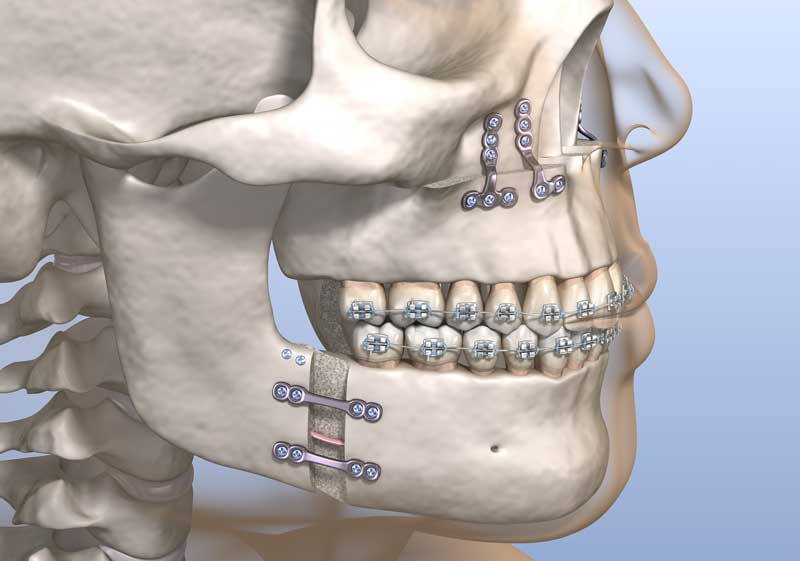
- Ensuring Stability: The jaws are fixed in their new positions with titanium plates and screws. The end of the growth spurt ensures that the resulting skeletal and occlusal (dental occlusion) relationship remains stable for life.
- Precise Planning: Once bone development is complete, the surgeon and orthodontist can accurately plan the patient’s final facial structure and occlusion.
- Preventing the Risk of Recurrence: To eliminate the risk of recurrence (return of the disorder) caused by the remaining growth.
B. Completion of Bone Development by Gender
While the age at which bone development is completed varies among individuals, there is a general distinction between genders:
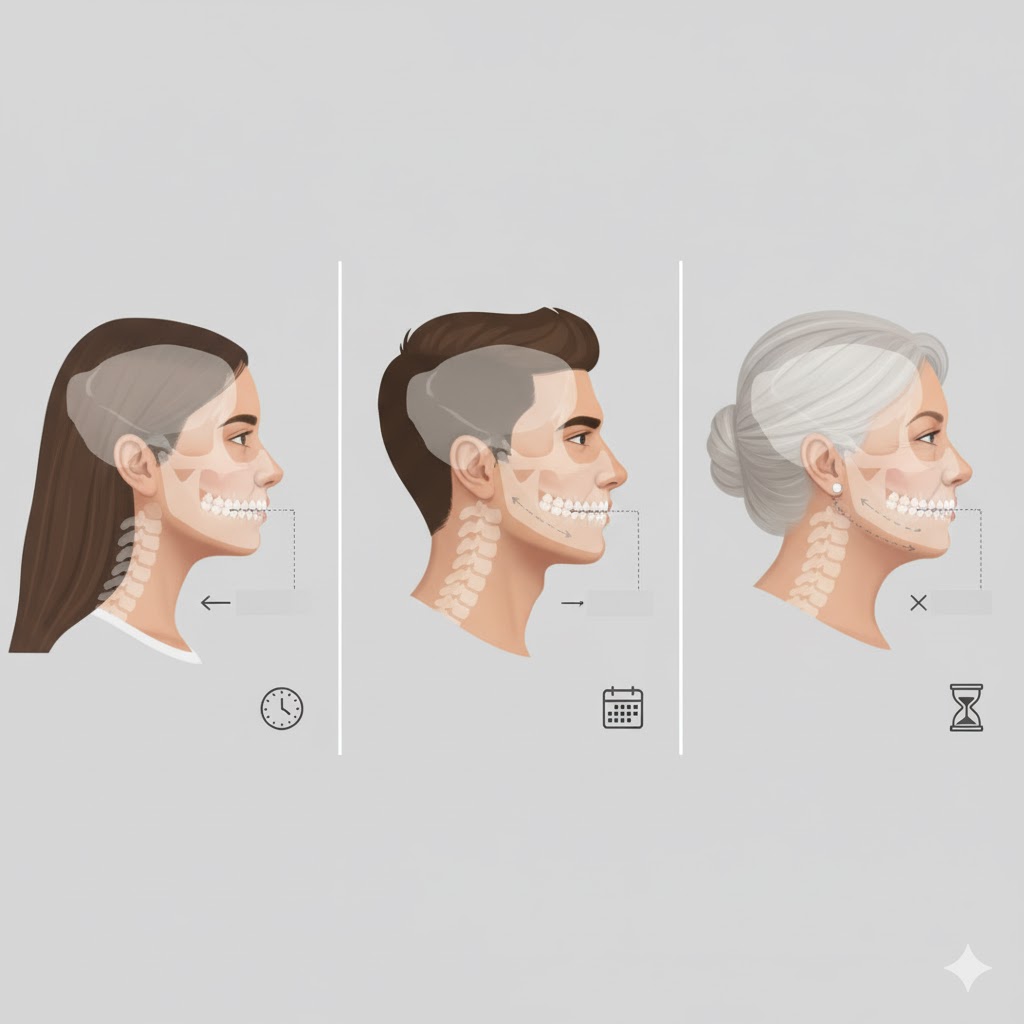
- Girls/Young Women: Bone development is generally completed earlier, around 16-17 years of age.
- Boys/Young Men: Bone development is completed later, around 17-18 years of age.
Important Note: Chronological age alone is not a sufficient criterion. Before making a surgical decision at the OPC Clinic, the patient’s skeletal growth potential is always evaluated using radiological analyses such as wrist X-rays and lateral cephalometric X-rays.
II. Orthognathic Surgery Treatment Process and Stages
Orthognathic surgery is not a standalone operation, but only one phase of a long-term orthodontic-surgical treatment protocol.
Orthognathic Surgery Treatment Stage Positioning According to Age
A. Orthodontic Preparation Period (Pre-Surgical Orthodontics)
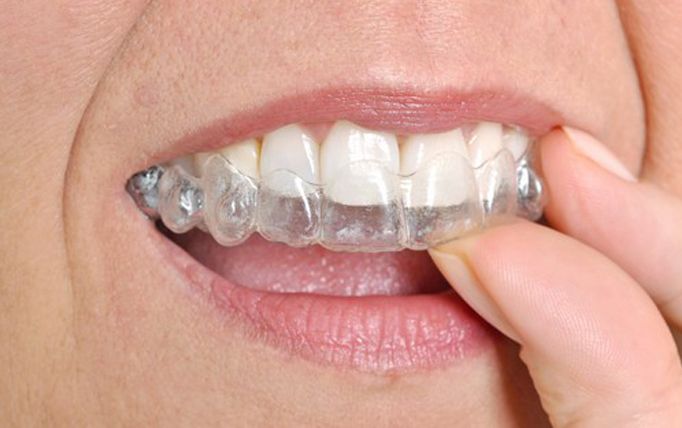
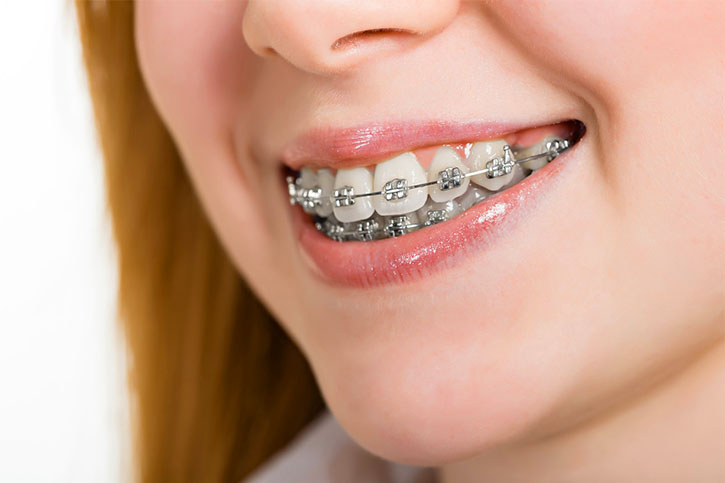
When patients decide to undergo orthognathic surgery, they typically begin orthodontic treatment (braces or clear aligners) before reaching the age criteria mentioned above. The goal of this period is to position the teeth so they fit together perfectly after surgery. This process continues until the ideal age for surgery is reached.
III. Orthognathic Surgery in Adulthood: Is There an Age Limit?
There is no upper age limit for orthognathic surgery. While waiting for bone development to be completed is critical, there is no age restriction for benefiting from this treatment.
A. Factors Affecting Surgery in Adults
Orthognathic Surgery in adults may differ from that in younger patients:
- Bone Health: Treatment success in older adults depends on good bone density and periodontal health. Treatment should be planned more carefully in patients with gum disease or severe osteoporosis.
- Healing Rate: In general, bone union and soft tissue healing are slower in adults compared to younger patients.The recovery period may be slightly longer. However, this difference does not significantly affect daily life.
- Systemic Diseases: The presence of chronic systemic diseases such as diabetes and uncontrolled hypertension should be checked by the physician before surgery.
Orthognathic Surgery Age Groups and Focus Areas
IV. Exceptional Cases: Cases Requiring Early Surgery
In rare cases, cutting and repositioning the jawbone (osteotomy) can be performed at an earlier age, before growth is complete.
- Traumatic Injuries: Jaw fractures and deformities that occur after severe trauma may require urgent correction.
- Very Serious Syndromic Deformities: Some congenital syndromes, such as Pierre Robin Syndrome, can cause severe respiratory and feeding problems. In these cases, surgery may be performed earlier to improve vital functions.
- Growth Redirection (Rare): In very rare and special cases, limited and careful surgical interventions may be necessary to alter the course of growth.
V. OPC Clinic Kadıköy: Age Factor in Treatment Planning
At Kadıköy OPC Clinic, each patient’s Orthognathic Surgery process is individually planned by a multidisciplinary team. Age is an integral part of our treatment plan.
- Detailed Growth Analysis: The patient’s skeletal maturity is precisely determined through radiographic and clinical examinations. This is a critical step, especially for adolescent patients.
- Risk Assessment: In older patients, bone health, joint function, and overall systemic status are evaluated to minimize potential risks.
- Comprehensive Patient Education: Each stage of the treatment, especially the patient’s patience and the time required to reach the appropriate age, is clearly explained to the patient and their family. The importance of orthodontic preparation is emphasized in this process.
In conclusion, the most appropriate age for orthognathic surgery is when the individual has completed their bone development (16-17 years for girls, 17-18 years for boys, and later). However, orthodontic treatment, which is preparation for this surgery, can begin much earlier. There is no upper age limit, as long as your general health and bone structure are suitable.
As the specialists at OPC Clinic Kadıköy, we are here to examine you, analyze your skeletal condition, and determine the ideal treatment schedule for you. Regardless of your age, you can take the first step toward a healthy bite and an aesthetically pleasing profile.