What is Root Canal Treatment? The Most Effective Way to Save a Tooth
Have you ever woken up in the middle of the night with a throbbing pain in your temple? Or, while trying to get home in Istanbul traffic, have you ever gripped the steering wheel tightly because of that sharp pain caused by drinking cold water? If your answer is yes, your body is giving you a very clear message: “The nerves inside my tooth are in danger!”
Root canal treatment (Endodontics), which is described as a nightmare among the public and known as “removing the nerves,” is actually one of the greatest miracles of modern dentistry. Why? Because without this treatment, we would have to extract every painful tooth. Root canal treatment is the only method that gives a second chance to teeth that are said to be “unsalvageable,” keeping the tooth in the mouth and preserving its natural chewing function.
In this comprehensive guide; We will examine in detail how root canal treatment is not a procedure to be feared, but rather a pain-relieving solution, how the process has been made comfortable with the technological possibilities in Istanbul, and the treatment stages.
What Exactly is Root Canal Treatment (Endodontics)?
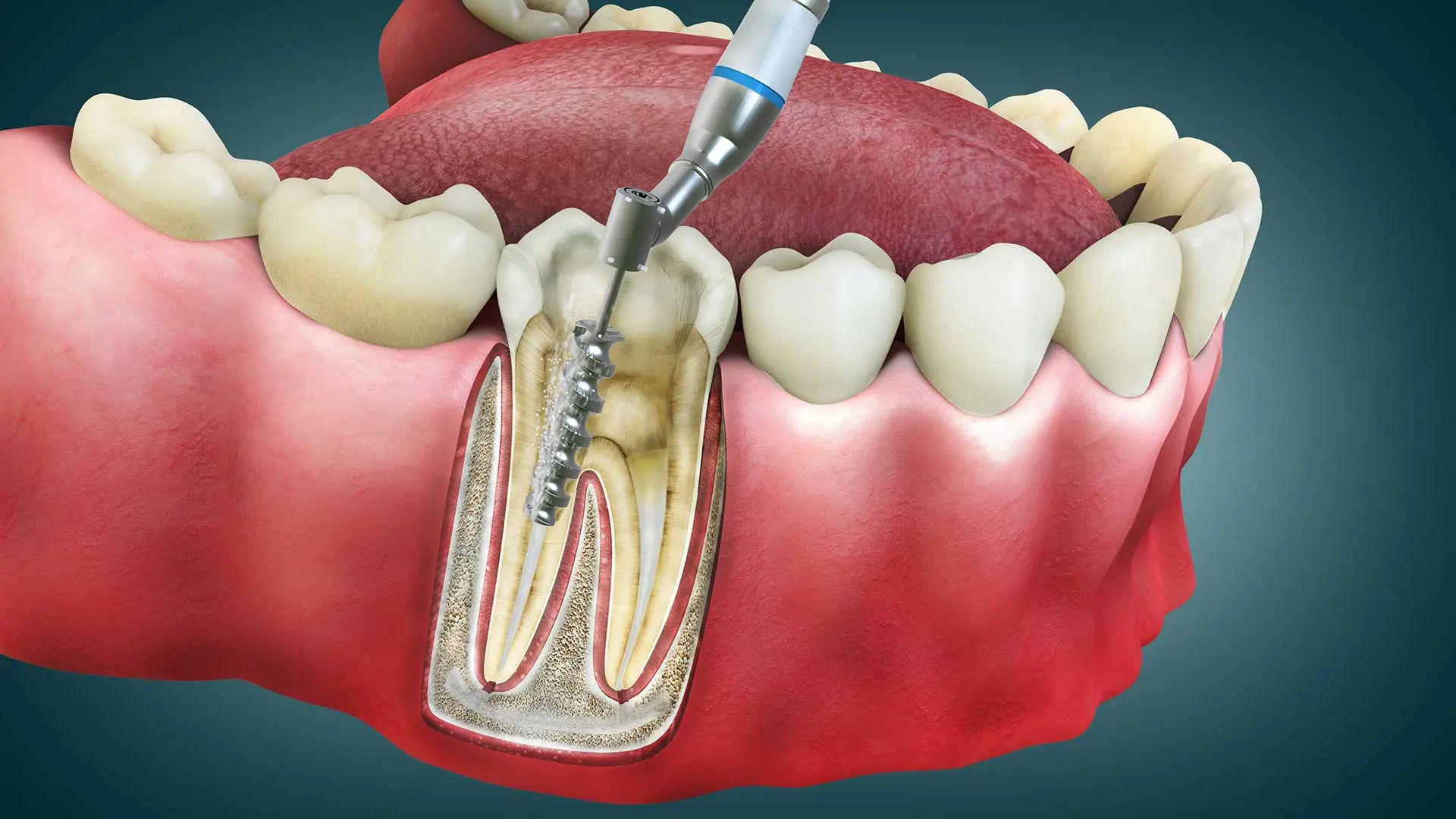
Although our tooth looks like a hard, white, and lifeless piece of bone from the outside, it is full of life inside. The outermost layer of the tooth (enamel) and the layer underneath (dentin) protect the soft tissue in the center of the tooth, namely the “Pulp”. The pulp is the heart of the tooth, containing the nerves, blood vessels, and lymphatic tissues.
When bacteria penetrate these protective layers and reach the pulp as a result of deep cavities, cracks in the tooth, or trauma, infection begins. The inflammation in the pulp causes severe pain, like pressure inside a closed box. Root canal treatment is the process of removing this diseased, inflamed, or lifeless pulp tissue, shaping the resulting cavity (canal), cleaning it, and filling it with a sealant. In short: It is the internal cleaning of the tooth.
The Body’s Cry for Help: Symptoms Requiring Root Canal Treatment
Delaying a visit to the dentist is a common mistake we make in the hectic pace of life in Istanbul. However, if you experience any of the following symptoms, delaying treatment could lead to tooth loss:
- Throbbing pain that starts spontaneously (especially at night).
- Persistent, long-lasting sensitivity to hot or cold.
- Sensitivity in the tooth when chewing or touching.
- A pimple-like swelling in the gum (Fistula/Abscess).
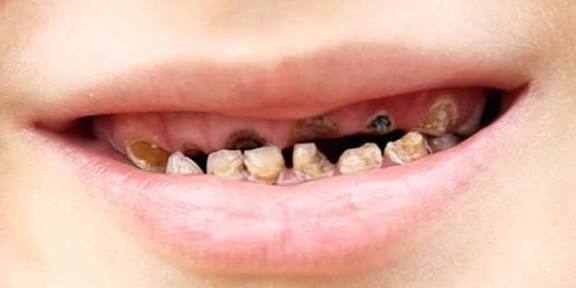
- Darkening of the tooth color (Loss of vitality).
- Swelling in the face or neck (Spread of infection).
🛑 Myth vs. Reality: “Root Canal Treatment Hurts a Lot!”
Myth: Root canal treatment is a very painful procedure.
Reality: This is a misconception from the past. Thanks to the powerful local anesthetics and digital anesthesia methods used today, root canal treatment is no different from getting a filling. The pain is not caused by the treatment, but by the infection itself. Root canal treatment is done to relieve you of that unbearable pain. You will not feel pain during the procedure.
Step-by-Step Root Canal Treatment Process
Uncertainty creates fear. Knowing the step-by-step process of a standard root canal treatment procedure that we apply in our Istanbul clinic will put you at ease:
1. Diagnosis and Anesthesia
First, the condition of the roots is examined with a digital X-ray. Then the area is completely numbed. The patient feels nothing after this stage.
2. Isolation (Rubber Dam Application)
A rubber cover (Rubber Dam) is placed on the tooth. This is the quality standard of modern clinics in Istanbul. The aim is to prevent bacteria in saliva from entering the tooth and to prevent the solutions used from spilling into your mouth. It provides a sterile working environment.
3. Root Canal Access and Cleaning
A small hole is drilled in the top of the tooth. The inflamed nerve tissue (pulp) is removed. The canals are widened with special files thinner than a hair (rotary instrument systems are now used) and rinsed with disinfectant solutions.
4. Filling and Restoration
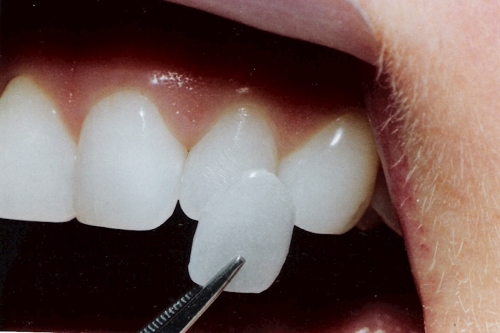
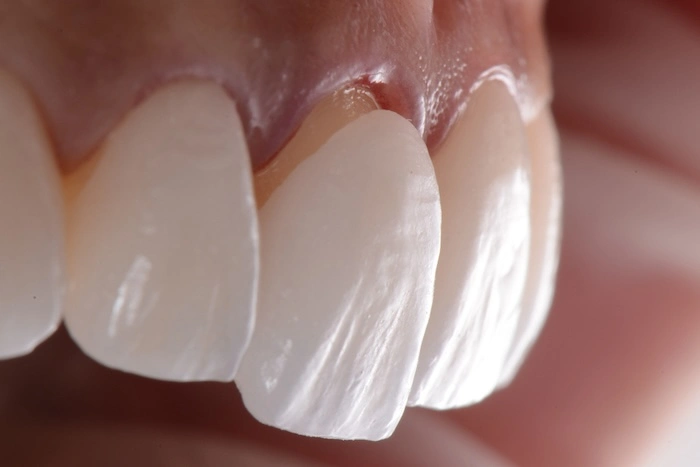
The cleaned canals are filled with a rubber-based biocompatible substance called “gutta-percha”. The aim is to prevent leaving any gaps where bacteria can multiply again. Finally, the superstructure of the tooth is restored with a filling or porcelain crown (veneer).
Comparison: Extraction or Saving a Tooth?
Sometimes our patients say, “Let’s not bother, let’s just pull it out.” However, no prosthesis can replace your own natural tooth. Here is a table showing why you should save your tooth:
| Criteria | Root Canal Treatment (Saving the Tooth) | Tooth Extraction and Implant/Bridge |
|---|---|---|
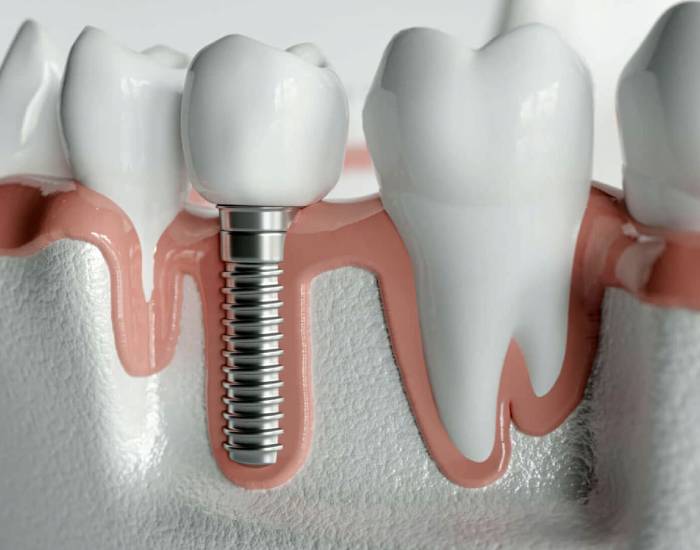
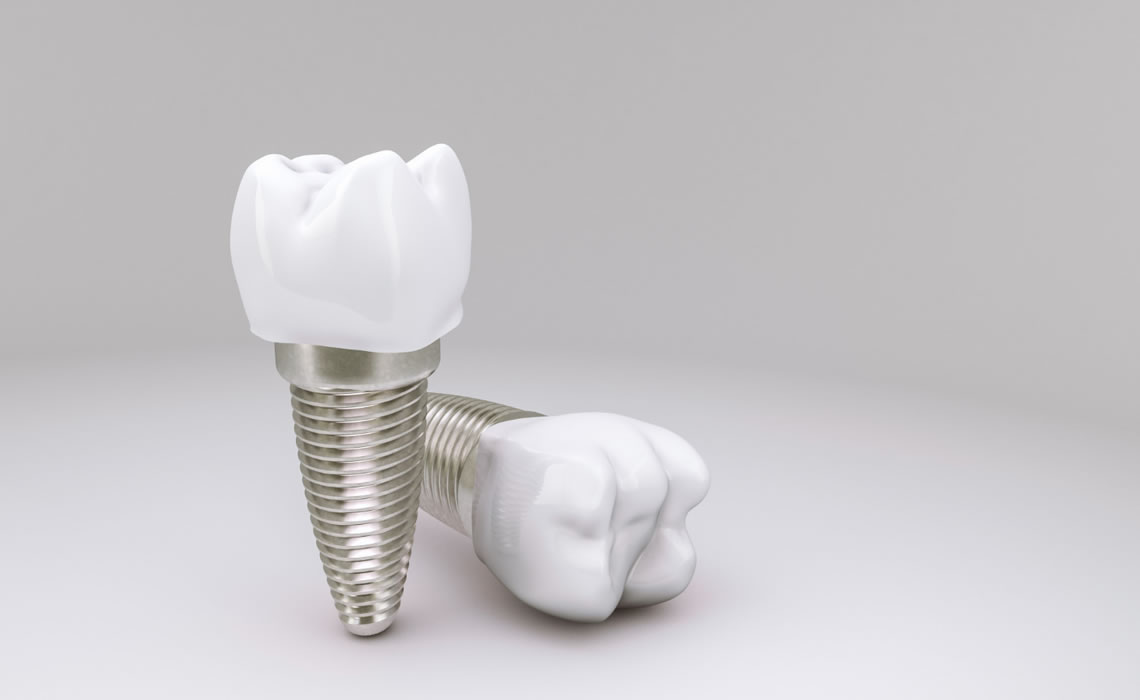
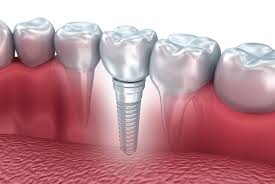
| Naturalness | Your own natural tooth root remains in the jawbone. | An artificial root (titanium screw) or cutting of adjacent teeth is required. |
| Chewing Sensation | Natural chewing sensation (proprioception) is preserved. | With ImplantThere may be loss of sensation; it doesn’t feel as sensitive as a natural tooth. |
| Treatment Duration | Usually 1 or 2 sessions (1-2 weeks). | Extraction, healing, and implant placement may take a total of 3-6 months. |
| Cost | It is more economical. | The implant and its superstructure are much more expensive than root canal treatment. |
| Bone Preservation | The jawbone does not resorb; it retains its natural form. | Bone resorption begins in the area where the tooth was extracted over time. |
Technological Difference in Istanbul: Endodontic Microscope
Istanbul is on par with Europe in healthcare technologies. Especially in advanced clinics located in Nişantaşı, Ataşehir, and Kadıköy, root canal treatments are now performed under a “Dental Microscope.” The microscope magnifies the inside of the tooth up to 25 times. This allows for the discovery of extra canals invisible to the naked eye, removal of broken instruments, and increases the success rate of the treatment to over 95%. In difficult cases, the use of a microscope is not a luxury, but a necessity.
After Root Canal Treatment: What to Expect?
Numbness may last 2-4 hours after treatment. It is important not to eat or bite your cheek during this time. A slight sensitivity when pressure is applied to the tooth is very normal for the first few days; because the tissue at the root tip is in the healing process. Simple painkillers recommended by your doctor will help you get through this period comfortably.
Important Warning: A root canal treated tooth can become more fragile over time because the living tissue inside has been removed (just like a drying tree branch). Therefore, especially in back molars, applying a porcelain veneer (crown) or onlay (porcelain filling) to prevent the tooth from breaking extends the life of the treatment to a lifetime.
Conclusion: Take Action for a Pain-Free Smile
Root canal treatment is the “hero” treatment of dentistry. It saves you from severe pain, keeps your tooth in your mouth, and preserves the integrity of your smile. In Istanbul, you don’t have to live with toothache amidst the traffic and chaos of life.
If you are experiencing any of the symptoms listed above, put your fear aside. With modern technology, experienced hands, and powerful anesthetics, root canal treatment is now a common, comfortable procedure. Give your tooth one last chance before you lose it. Remember, even the best implant is not as valuable as your own tooth.