Why Do Jaw Cysts and Tumors Form?
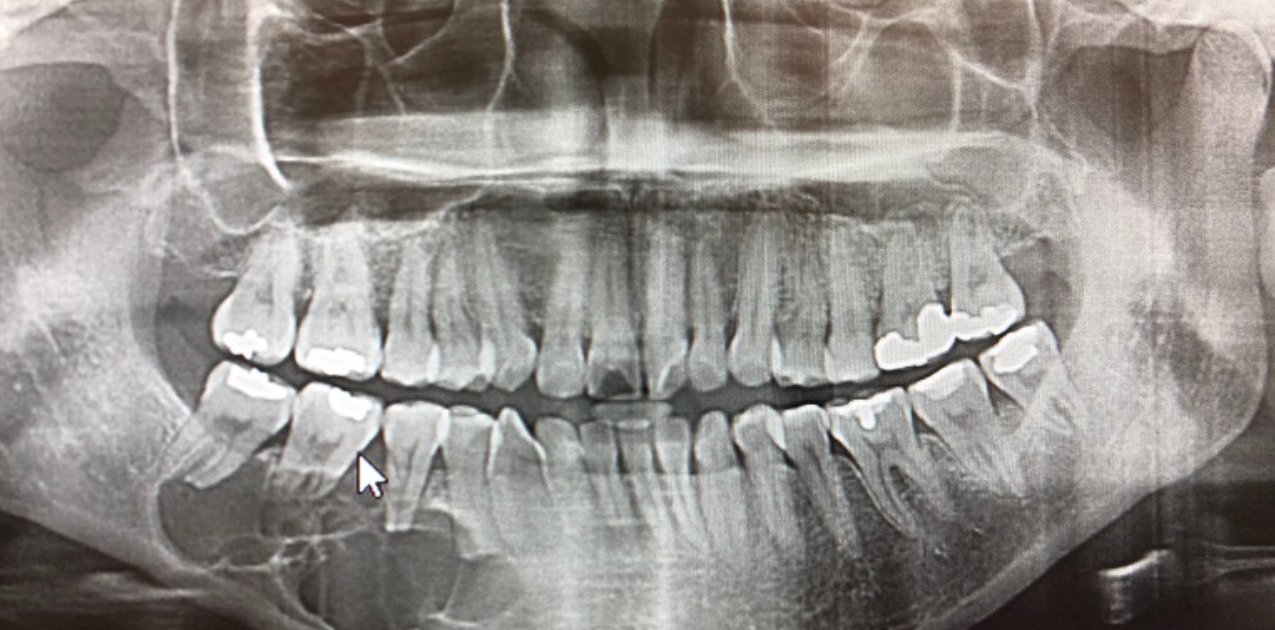
In the fast-paced life of Istanbul, when you go for a routine dental check-up or have a panoramic X-ray for a simple toothache, you may hear this sentence from your dentist with a serious expression: “I see a suspicious lesion (cyst or tumor) in your jawbone.”
This moment is frightening and confusing for many patients. Questions like “Why me?”, “I didn’t have any pain, how did it form?”, “Am I cancerous?” begin to circulate in their minds. Jaw cysts and tumors differ from formations in other parts of the body because they usually originate from the tooth formation mechanism (odontogenic).
What is the Difference Between a Cyst and a Tumor?
Before delving into the subject, it’s necessary to clarify these two concepts. Although they are often confused among the public, they are completely different structures medically:
- Jaw Cyst: These are pathological cavities filled with fluid or semi-fluid, surrounded by a membrane (epithelium), and resembling balloons. They are usually benign, but they can grow and erode and weaken the jawbone.
- Jaw Tumor: These are solid masses formed as a result of the uncontrolled proliferation of tissue cells. “Odontogenic Tumors” (tooth-derived) are usually benign, but types like “Ameloblastoma” can be bone-destroying (aggressive).
1. Developmental Causes: “Residual Cells” (Embryological Remnants)
The biggest source of jaw cysts and tumors is “cellular waste” remaining from our development in the womb. As our teeth form, they originate from a tissue called the “Dental Lamina.” This tissue should disappear when the tooth eruption is complete. However, sometimes microscopic remnants (Malasses Epithelial Remnants or Serres Remnants) remain from this tissue.
These residual cells wait silently in the jawbone for years. One day, they awaken with trauma, infection, or an unknown trigger, begin to multiply, and cause cyst/tumor formation. Developmental Cysts (Dentigerous cyst, Keratocyst) are usually formed through this mechanism.
2. Most Common Cause: Infection (Dead Teeth)
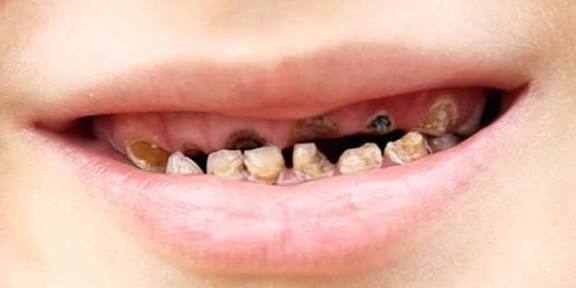
The most common type of cyst we encounter in Istanbul clinics is the “Radicular Cyst” (Root Tip Cyst). This is entirely due to neglected tooth decay.
The process works as follows:
A deep decay reaches the nerve (pulp) of the tooth.
Bacteria kill the nerve (necrosis) and spread from the root tip to the jawbone.
The body builds a wall around the infection to trap these bacteria and prevent its spread.
Over time, fluid fills this wall and it becomes a cyst. In other words, every untreated root canal candidate tooth is a potential cyst factory.
🔬 The Danger of Impacted Wisdom Teeth
Around impacted wisdom teeth, there is a “follicle” sac that enables the tooth to erupt. If the tooth does not erupt, this sac sometimes collects fluid and turns into a “Dentigerous Cyst”. These cysts grow insidiously, erode the jawbone from within, and create a predisposition to jaw fractures. Therefore, surgeons in Istanbul recommend monitoring or extraction of impacted teeth even if they do not cause problems.
3. Genetic Factors and Syndromes
Some types of cysts and tumors (especially Odontogenic Keratocyst) can be genetically inherited. For example, individuals with “Gorlin-Goltz Syndrome” tend to develop multiple cysts in their jawbones. In such cases, the risk of recurrence is high, and genetic screening may be necessary.
Symptoms: How to Recognize the “Silent Danger”?
Jaw cysts usually do not cause pain. They often grow “silently”. However, when they reach a certain size, they give the following signals:
-
-
- Jaw Swelling (Asymmetry)
Slowly growing, painless, hard swellings on the face. Facial asymmetry occurs because the bone expands. - Loosening Teeth
Healthy teeth begin to loosen because the cyst erodes the roots or destroys bone support. - Numbness (Drowsiness)
If the cyst presses on the lower jaw nerve, tingling or loss of sensation (paresthesia) occurs in the lip. This could be a sign of malignant transformation or aggressive growth. - Spontaneous Fractures
The cyst thins the bone so much (like an eggshell) that the patient’s jaw can break while eating (Pathological Fracture).
- Jaw Swelling (Asymmetry)
-
📍 Diagnostic Technology in Istanbul: 3D Tomography
Previously, diagnoses were attempted with 2D X-rays, and the true boundaries of the cyst could not be seen. With Dental Volumetric Tomography (CBCT), which has become standard in modern clinics in Istanbul, a 3D map of the cyst is created. How close the cyst is to the nerve, which teeth it contains, etc.Calculations are made metrically, and a “Surprise-Free Surgery” plan is developed.
Great Comparison: Cyst and Tumor Characteristics
Key differences to help you understand what the diagnosis means:
| Characteristics | Jaw Cyst | Jaw Tumor (Odontogenic) |
|---|---|---|
| Contents | Fluid or semi-fluid filled sac. | Mass of solid tissue. |
| Growth Rate | Usually grows slowly. | Slow or fast (aggressive) depending on the type. |
| Bone Damage | Pushes and expands the bone (like a balloon). | Destroys the bone by engulfing it (Invasive). |
| Treatment | Removal of the cyst (Enucleation). | Removal with wide margins (Resection). |
| Risk of Recurrence | Low (if completely removed). | High (especially Ameloblastoma). |
⚠️ Important Warning: Biopsy is Necessary!
X-ray images give us an idea, but they don’t provide a definitive diagnosis. It is a medical necessity to send every tissue sample to the advanced pathology laboratories in Istanbul for examination. The type of cyst determines the continuation and follow-up of treatment.
Treatment Methods: How Do We Protect Your Jaw?
The modern surgical protocols applied in Istanbul are as follows:
Enucleation: This involves removing the cyst in its entirety, including its capsule. It is the most frequently used method.
Marsupialization: In very large cysts, removing the cyst immediately can fracture the jaw or damage the nerves. Therefore, a small window is opened in the cyst to reduce the pressure inside, and the cyst is allowed to shrink. It is removed when it shrinks.
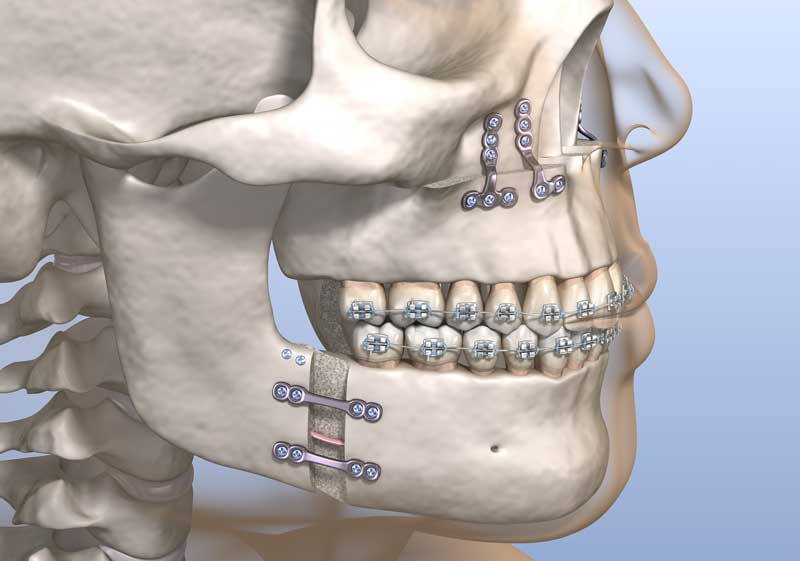
- Resection: In cases of tumors or recurrent cysts, the section of the jawbone where the lesion is located is cut and removed with a safety margin. Bone graft is performed in its place.
Conclusion: Early Diagnosis Saves Lives
Jaw cysts and tumors are not situations that can be dismissed with a “let’s wait and it will pass” attitude. The longer you wait, the more your jawbone will erode, your teeth will be lost, and the treatment will become a much more complex surgery (requiring bone graft).
Having a panoramic X-ray once a year is the only way to catch these insidious dangers while they are still in their “seed” stage. With early intervention by expert Oral Surgeons in Istanbul, you can regain your health without losing either your teeth or your jawbone.