The definition of bad breath can be expressed as an unpleasant odor coming from the throat and inside the mouth. What is halitosis? Bad breath is a type of bad breath that bothers both the individual and those around them during conversation, close contact, and breathing. This odor is particularly common in people who neglect to brush their teeth and do not maintain proper oral care. However, sometimes you can also experience bad breath due to stomach or tonsil disorders. Oral hygiene and bad breath often have opposing profiles. In other words, it’s generally unexpected to experience bad breath even if you brush your teeth every day.
Causes of Bad Breath
The relationship between halitosis and health is a topic you shouldn’t ignore. Contrary to popular belief, sometimes very serious diseases can cause bad breath. Causes of bad breath include:
- Neglecting to brush your teeth,
- Not cleaning the areas between your tongue and teeth adequately,
- Consuming foods such as onions, garlic, salami, sausage, cabbage, and milk,
- Stomach disorders such as reflux and gastritis,
- Oral infections,
- Palate problems,
- Problems related to the salivary glands,
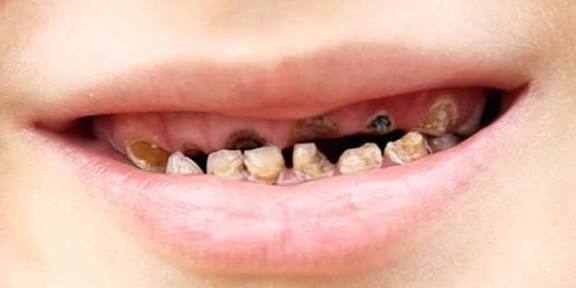
- Dental problems,
- Liver failure,
- Diabetes,
- Kidney failure,
- Throat disorders such as adenoids,
- Long-term fasting,
- Sinusitis,
- Pharyngitis.
Throat disorders are also possible causes of bad breath symptoms. Pain, bad breath, or discomfort in one part of your body may be related to another organ. If you are experiencing persistent bad breath, you should make sure to rule out all the above conditions.
 Oral Hygiene and Bad Breath
Methods for preventing bad breath may be one of the first things you research when you start experiencing problems. To prevent a condition, you first need to understand its cause. To determine the cause of your problem, you should first diagnose halitosis and ensure that your general health is good. Bad breath is caused by bacteria in the mouth. If your teeth, tongue, and palate are sufficiently clean, bacteria cannot thrive in these areas.
If you have a medical condition that weakens your body or suffers from stomach problems, you may experience bad breath. Due to health problems in your kidneys, bacteria and harmful microorganisms can accumulate in your body. This can also be another cause of bad breath.
Methods for preventing bad breath can be achieved by diagnosing and treating any existing conditions. The root cause of bad breath is The reason is neglected oral care. For this reason, you can visit a dentist every 6 months for a dental cleaning.
How to Prevent Bad Breath?
The most effective way to prevent halitosis is to brush your teeth twice a day, morning and evening. You should also remember to floss and clean your tongue. The mouth isn’t just made up of teeth. The palate, inside of the cheeks, teeth, and tongue all contribute to oral health.
If there’s no neglect in oral care, you might consider a general health screening. If you have stomach problems, you can minimize potential problems by following your doctor’s recommended diet.
If you have chronic conditions such as sinusitis and pharyngitis, You should protect your body from cold weather and wind. This can prevent bad breath that can occur due to postnasal drip. Drinking plenty of water can support healthy saliva production.
Avoid acidic and sticky foods, which damage teeth. If you’ve eaten something sweet or sticky, you may not be able to brush your teeth immediately. However, you can remove any remaining sticky residue by rinsing your mouth.
You can prevent bacterial growth by maintaining oral hygiene with some simple measures. Regular oral care should include choosing the right toothbrush and toothpaste. You may notice that your teeth are cleaned more thoroughly with dental floss. Choosing a toothbrush suitable for tongue cleaning can help you complete your oral hygiene thoroughly.
 Tongue Cleaning and Bad Breath
Tongue hygiene and bad breath are often overlooked. If you only clean the surface of your teeth and leave it alone, residue on the tongue can lead to bacterial growth.
You may find that residue left on the tongue can cause bad breath after a while. However, you can easily brush the sides and top of your tongue with a toothbrush with a serrated back. This process may seem difficult at first because you’re not used to it.
If you continue brushing your tongue along with your teeth for a few days, you may automatically start cleaning your tongue without realizing it. This way, you can be more conscious of oral hygiene and enjoy fresher breath.
By using this method, you won’t be afraid to breathe in public. You can express yourself more comfortably and confidently when speaking.