What Are the Symptoms of Temporomandibular Joint (TMJ) Problems?
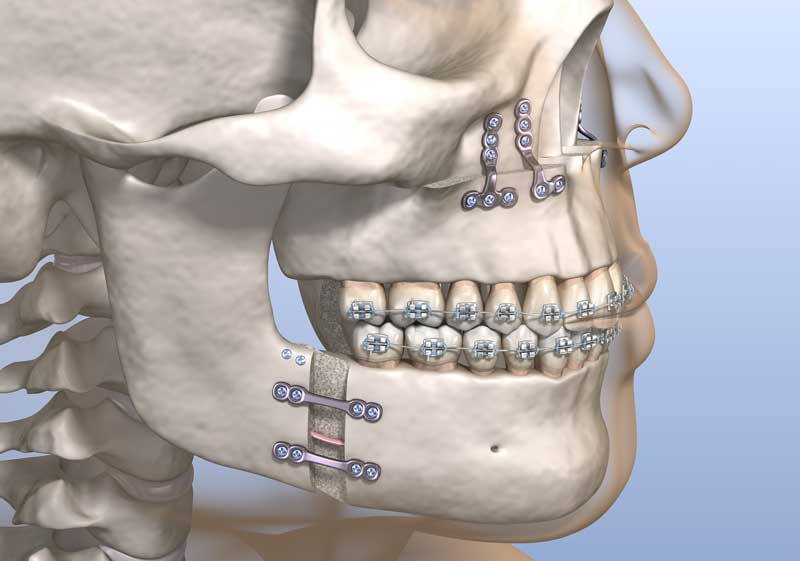
Are you one of the thousands of people living in Istanbul who wake up tired in the mornings, feel an indescribable pressure in their temples during the day, or hear a “clicking” sound in front of their ear while eating? Often, these symptoms are dismissed as a natural consequence of stressful city life or simply a sign of fatigue. Sometimes people go to ENT doctors, sometimes to neurologists… But the source of the problem is usually that small but complex point where the jawbone joins the skull: the Temporomandibular Joint (TMJ).
TMJ problems are known as the “Great Impersonator” because their symptoms can mimic migraines, cervical disc herniation, sinusitis, or middle ear infections. Correct diagnosis is half the battle.
Top 5 Most Common Symptom Groups
Although TMJ disorders vary from person to person, symptoms generally fall into 5 main categories. You can test yourself on the following points:
- 1. Joint Sounds (Clicking and Crepitation)
A “click” or “rustling” sound, like sand rubbing, coming from just in front of your ear when you open and close your mouth. These sounds are the clearest evidence that the disc has slipped or the bone surfaces are rubbing against each other. - 2. Pain (Local and Referred)
Dull pain felt not only in the jaw joint but also in the temples, cheeks (chewing muscles), neck, and shoulders. It is usually more intense in the mornings. - 3. Movement Restriction (Trismus)
Inability to fully open the mouth, feeling of catching while yawning, or jaw deviation to one side (Deviation). In advanced stages, the jaw may suddenly lock.
4. Ear Problems (Otological Symptoms)
Pain, feeling of fullness, ringing in the ear (Tinnitus), and even dizziness (Vertigo). No ear problems may be found during an ENT examination. 5. Tooth Sensitivity and Wear
Aching sensation in the teeth despite the absence of any cavities. Flattening (wear) of tooth surfaces and ruptures in the neck regions (abfraction).
🔊 The Language of Sounds: “Click” or “Histle”?
Clicking: A one-time sound when opening the mouth. It indicates that the joint disc has shifted forward and is returning to its place (reduction) when the mouth is opened. It is an early stage symptom and is easier to treat.
Histle (Crepitation): A sound like walking on sandy ground. This indicates that the disc is completely deformed or perforated, and the bones are rubbing against each other (Osteoarthritis). It is an advanced stage symptom.
Where Does the Pain Radiate?
“Referred Pain” Map
Although the source of pain in TMJ disorders is the jaw, the location where it is felt may be different. This is called “Referred Pain”.
- Temple Area: Spasm of the temporal muscle, which is the chewing muscle, causes migraine-like headaches.
- Behind the Eye: Pressure and pain may be felt around the eye. It is confused with sinusitis.
- Neck and Shoulder: When the jaw position is disrupted, the head’s posture changes. This stretches the neck muscles, creating hernia-like pain.
📍 Istanbul: Stress Triggers Pain
Observations made in the patient population in Istanbul have shown that temporomandibular joint symptoms increase on “Monday mornings” or “after peak traffic hours”. Stress increases muscle tension in the body, causing the person to unconsciously clench their teeth (bruxism). This exacerbates existing joint problems. TMJ treatment in Istanbul requires managing not only the joint but also the stress.
Table: Symptoms and Commonly Confused Diseases
What does each symptom actually mean? Here’s the TMJ’s ability to mimic:
| Symptom Felt | Where Does the Patient Usually Go? | Original Cause (TMJ Related) |
|---|---|---|
| My ear hurts and rings. | ENT Specialist | Pressure of the joint head on the ear canal. |
| Half of my head is throbbing. | Neurologist | Temporal muscle spasm and teeth grinding at night. |
| Swelling in my face var. | Dentist (Mistaking for an abscess) | Overactivity and enlargement of the masseter muscle (Hypertrophy). |
| My teeth are aching. | Dentist (Root canal treatment requested) | Sensitivity of the tooth nerve due to excessive load. |
| My neck is stiff. | Physical Therapy | Posture disorder due to jaw disorder. |
Locking: The Most Frightening Symptom
Jaw locking occurs in two ways, and both are emergency signals:
- Closed Locking: You cannot open your mouth. The disc is stuck in front of the joint and does not allow it to move. It usually occurs in the mornings.
- Open Locking: After yawning or taking a large bite, the mouth remains open and cannot be closed. The head of the joint is out of its socket (Dislocation). It needs to be manually repositioned.
⚠️ When Should You See a Doctor?
If;
* You have facial pain that doesn’t go away with painkillers,
* Your jaw shifts to one side when you open your mouth (check in the mirror),
* You hear a “clicking” sound while eating,
* You wake up with a stiff jaw in the mornings;
Don’t wait. These symptoms will not go away on their own; on the contrary, the damage to the joint will increase over time (osteoarthritis). It’s time to consult an Oral Surgeon specializing in this area in Istanbul.
Conclusion: Listen to Your Body
Temporomandibular joint (TMJ) problems are a process that begins silently but turns into a scream over time. Your body may be signaling you with “clicking” sounds, tinnitus, or headaches.
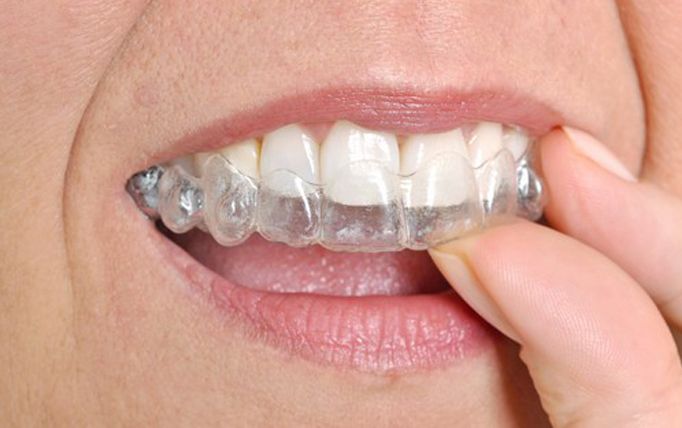
In Istanbul, it is possible to get rid of these symptoms with modern diagnostic methods (MRI, CT scan) and treatment options (Splint, Botox, Arthrocentesis). The important thing is not to mask the symptoms (take painkillers), but to find the source and treat it. A healthy life begins with a pain-free jaw.