Kadıköy Tooth Extraction: Atraumatic Surgery and Tissue Preservation Vision at OPC Clinic
Throughout the history of dentistry, tooth extraction has often been perceived as a “failure” or a sign of medical helplessness; for patients, it has always been associated with deep psychological anxiety and trauma. However, at the point modern medicine has reached today, forcing certain teeth to remain in the mouth under specific clinical conditions can cause far greater harm to surrounding tissues and overall systemic health than their removal. Kadıköy, at the heart of Istanbul’s innovative healthcare vision, is one of the regions where patient comfort and long-term tissue planning are most demanded in surgical procedures. In searches for Kadıköy tooth extraction, OPC Clinic rejects the traditional, force-based perception of “extraction” and stands as a reference center that performs this procedure using “Atraumatic Micro-Surgery” principles with maximum respect for tissue.
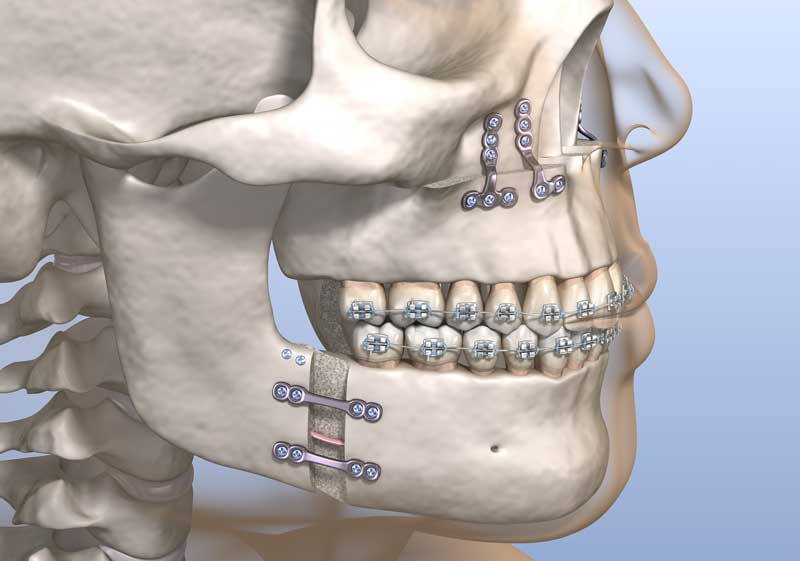
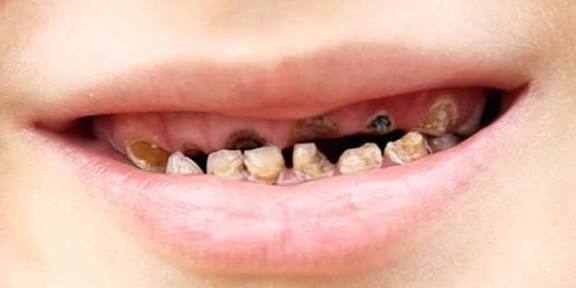
At OPC Clinic, preserving the natural tooth is always the top priority. However, teeth that have suffered severe structural loss, developed large cystic lesions at the root apex, experienced vertical root fractures, or undergone irreversible periodontal destruction that erodes the jawbone (alveolar bone) can become sources of systemic toxicity. In such cases, the goal of the surgical intervention is not merely to remove the tooth, but to preserve—at a microscopic level—the valuable bone walls surrounding the tooth, which may later host prosthetic solutions such as implants. A successful surgery is not measured by the amount of force applied, but by anatomical knowledge, precision, and strategic planning.
Atraumatic Extraction: Micro-Engineering Replacing Brute Force
In traditional tooth extraction methods, the surrounding bone is often expanded to remove the tooth from its socket. This approach may lead to micro-fractures in bone walls or breakage of thin bone layers. OPC Clinic, redefining surgical standards in Kadıköy, has adopted the “Atraumatic Extraction” protocol as a standard practice. But what is the scientific basis behind this protocol?
Teeth are not directly fused to the jawbone; instead, they are connected by a flexible network of microscopic fibers called the periodontal ligament. The core principle of atraumatic surgery is not to forcefully separate the tooth from the bone, but to gently sever these microscopic connections using extremely fine micro-surgical instruments called periotomes. Once these fibers are released, the tooth can be removed from its socket without applying pressure to the surrounding bone walls. This micro-engineering approach minimizes post-operative swelling and significantly accelerates the biological healing process.
Socket Preservation and Investing in the Future
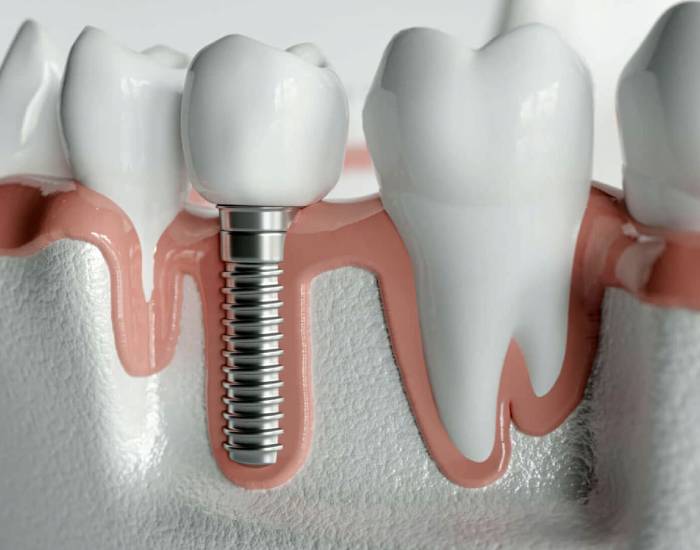
After a tooth is extracted, the body perceives that the bone in that area is no longer subjected to functional load and gradually begins to resorb it. Within the first six months, significant horizontal and vertical bone loss is physiologically expected. If an implant is planned for the future, preserving bone volume becomes critically important. With its visionary surgical approach, OPC Clinic never leaves the extraction site to chance.
At our clinic, “Socket Preservation” protocols are applied simultaneously after extraction. When necessary, the socket is supported with biocompatible bone grafts and membranes that guide healing. Additionally, PRF (Platelet-Rich Fibrin), obtained by centrifuging the patient’s own blood and rich in growth factors, is placed in the area. This advanced cellular therapy accelerates the body’s ability to build a new, well-vascularized, and strong bone structure. As a result, when implant placement is performed months later, the surgeon is met with an ideal bone foundation.
Wisdom Teeth: Anatomical Complexity and Three-Dimensional Safety
One of the most specialized and expertise-demanding areas of surgical extraction is undoubtedly wisdom teeth. Due to evolutionary jaw size reduction, these teeth often lack sufficient space and may remain impacted, partially erupted, or misaligned. Impacted wisdom teeth can damage adjacent healthy teeth, lead to cyst formation, or cause unexplained neuralgic pain in the head and neck region.
These teeth are often located in close proximity to critical anatomical structures such as the inferior alveolar nerve or maxillary sinuses. At OPC Clinic, risky cases are not evaluated solely with standard two-dimensional imaging. Instead, three-dimensional Dental Volumetric Tomography (CBCT) is used to analyze the relationship between tooth roots and surrounding structures in 360 degrees. With this digital navigation, surgical procedures are completed safely and predictably without damaging vital anatomical structures.
Traditional vs. OPC Clinic Surgical Approach
To better illustrate the physiological differences between traditional techniques and our modern tissue management protocols, we have compared them below:
| Procedure Dynamics | Traditional Methods | OPC Clinic Atraumatic Surgery |
|---|---|---|
| Force Management | Forceful luxation movements. | Micro-instrument ligament separation with minimal force. |
| Bone Integrity | Possible micro-fractures and bone loss. | Preservation of bone walls and socket integrity. |
| Healing | Natural healing left unmanaged. | Guided regeneration with PRF or grafts. |
| Diagnostics | 2D imaging only. | 3D CBCT navigation. |
Post-Operative Care: A Shared Responsibility for Success
- Avoid Negative Pressure: Do not use straws or rinse forcefully.
- Thermal & Chemical Care: Avoid hot foods and smoking.
- Cold Compress: Apply ice as directed.
Psychological Management of Surgical Stress
Beyond the physical procedure, OPC Clinic prioritizes patient comfort and communication. Every step is clearly explained, ensuring both physical and mental ease.
To experience this advanced, respectful, and scientifically grounded approach, trust your health to OPC Clinic. Your future is shaped by the right steps taken today.