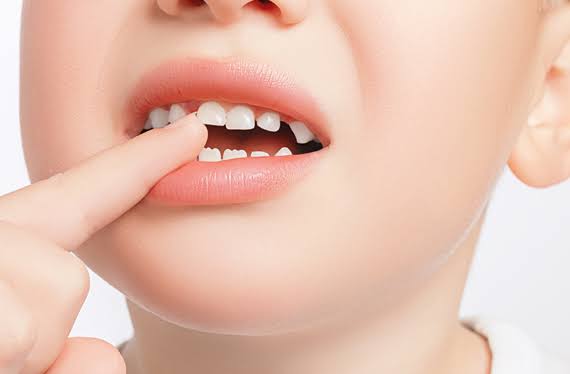
Around age 6 is a critical turning point in childhood oral health. During this period, the first permanent molars begin to erupt at the very back of the jaw, independent of the primary teeth. These teeth, commonly known as “six-year-old teeth,” are key to a lifetime of chewing function and proper jaw alignment. Unfortunately, parents often mistake these teeth for primary teeth and neglect preventative measures. This makes six-year-old teeth the most frequently decayed permanent teeth in children.
As Private OPC Clinic Oral and Dental Health Clinic, located in Kadıköy, Istanbul, and offering centralized and easily accessible services, we implement protective and preventative strategies tailored to this critical period with our Pedodontics (Pediatric Dentistry) specialists. Our clinic, located in the heart of Kadıköy, aims to protect children’s permanent teeth from decay and provide them with a healthy future.
Location in Kadıköy and the Importance of Six-Year-Old Teeth
A. Our Location and Easy Access
OPC Clinic is located at Kozyatağı Mahallesi Şemsettin Günaltay Caddesi No: 54/1, Kadıköy. This central location provides convenient and quick access for six-year-old checkups not only for families in Kadıköy but also in the surrounding neighborhoods (Ataşehir, Erenköy, Suadiye). It’s important to remember that the first weeks after the sixth tooth erupts are the most critical time for preventive measures.
B. Why Are Six-Year-Old Teeth So Important?
- Key Teeth: These teeth are the reference point for the proper placement and occlusion of the other permanent teeth (incisors, premolars, canines). Early loss or restoration with large fillings can negatively impact the entire jaw structure and future orthodontic needs.
- They Are Not Primary Teeth: These teeth can be difficult to detect because they erupt before the primary teeth fall out. Their confusion with primary teeth, and neglected care for them, makes them vulnerable to decay.
- Anatomical Structure: Their chewing surfaces have much deeper and more complex grooves (fissures) than other teeth. These deep fissures create an ideal environment for bacteria and food accumulation that a toothbrush can’t reach.
Protecting Six-Year-Old Teeth: OPC Clinic Preventive Practices
The most effective way to protect six-year-old teeth from decay is through preventive medical procedures performed by pediatric dentists. At the Kadıköy OPC Clinic, two basic protective shields are used during this period:
A. Fissure Sealant (Dental Graft) Application
Fissure sealant is a fluid-based filling material used to seal the deep grooves (fissures) on the chewing surfaces of 6-year-old teeth, which are prone to decay.
- Working Principle: This liquid material, applied to the tooth, fills the deep grooves and hardens with a special light, creating a smooth surface. This surface prevents food debris and decay-causing bacteria from settling in the grooves.
- Painless and Fast Procedure: There is absolutely no need for anesthesia or abrasion of the tooth tissue during fissure sealant application. It is a completely painless procedure and takes only a few minutes per tooth. This feature allows 6-year-old children to have a positive experience without developing a fear of the dentist.
- Protection: When applied correctly, it has been scientifically proven to prevent cavities by 80-90%.
B. Professional Topical Fluoride Applications
Fluoride is a vital mineral that strengthens tooth enamel and increases its resistance to decay.
- Purpose of Application: The enamel of newly erupted 6-year-old teeth, in particular, is not fully mature when they first emerge and is more vulnerable. Highly concentrated fluoride varnishes, applied under the supervision of a pediatric dentist, help this enamel harden rapidly and become resistant to acids.
- Frequency: This is determined by the child’s decay risk; regular repetition every 3 to 6 months is generally recommended.
Parent and Child Responsibilities: Brushing and Nutrition
Regardless of the effectiveness of preventative measures, regular and proper care at home is essential for the health of 6-year-old teeth.
A. A Revolution in Brushing Technique: Parental Supervision is Essential
A 6-year-old child cannot effectively brush their teeth independently because their motor skills are not fully developed.
- Special Brushing: 6-year-old teeth, located at the very back of the jaw, are the most difficult to reach. After brushing, parents should hold the toothbrush horizontal (sideways) and check the chewing and lateral surfaces of these backmost teeth before brushing again.
- Toothpaste Amount: A pea-sized amount of fluoride toothpaste should be used for children aged 3-6.
- Flossing Habit: When the 6-year-old teeth begin to erupt, the risk of decay increases in the interdental surfaces where the teeth meet. From this age on, PIt is critical to begin using dental floss or flossers as recommended by your dentist.
B. Nutrition and Snacking Routine
Age 6 is a period when the transition to school and social life occurs, and snack consumption increases.
- Frequency Matters: The frequency of sugary and acidic foods consumed, as well as the quantity, determines the risk of decay. Chocolate eaten once a day is less harmful than cookies or sugary drinks eaten frequently throughout the day.
- Water Consumption: Rinsing your mouth with water after each snack quickly neutralizes the acidic effect on the tooth surface.
Comparison of Control and Treatment Approaches
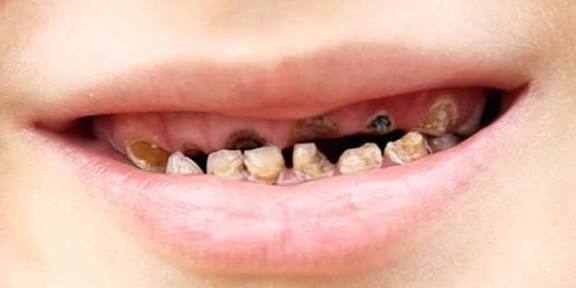
Neglecting 6-year-old tooth decay can lead to irreversible loss. Regular checkups at the OPC Clinic prevent this.
| Situation | OPC Clinical Approach (Preventive) | OPC Clinical Approach (Therapeutic) | Result and Significance |
| Newly Erupted Healthy Tooth | Fissure Sealant and Fluoride Application. | Not Necessary. | Decay formation is prevented, and the lifespan of the tooth is extended. |
| Incipient Caries | Advanced Fluoride Varnishes or Minimal Filling. | Small composite filling. | Minimal tooth loss, painless treatment. |
| Advanced decay | Deep filling or amputation (precursor to root canal treatment). | Root canal treatment / crown for primary teeth. | Prevents tooth extraction, provides space for permanent teeth. |