Things to Consider After Aesthetic Dentistry
Modern aesthetic dentistry applications provide extraordinary biomechanical solutions to offer individuals the natural, balanced, and healthy smile form they dream of through porcelain laminates, zirconium crowns, lithium disilicate (E-max) restorations, and professional whitening procedures. However, it is a common major misconception to think that this artistic and functional success achieved through digital smile design is completed the moment one walks out the clinic door. In fact, the treatment completed in your dentist’s chair is the first step taken toward a new and healthy lifestyle. The ability of the applied high-tech restorations to maintain their first-day aesthetics for years in a dynamic ecosystem like the mouth, which is moist, subject to constant temperature changes, and exposed to high chewing forces, is directly related to the care responsibilities the patient will assume in the post-operative (post-treatment) period. No matter how perfect biocompatible materials are, human tissue and the junction points of these materials always require meticulous care. As OPC Klinik, we believe that the success of aesthetic treatments can only be sustained by combining the physician’s mastery with the patient’s conscious routine in daily life.
The First 48 Hours: Tissue Adaptation and Sensitivity Management
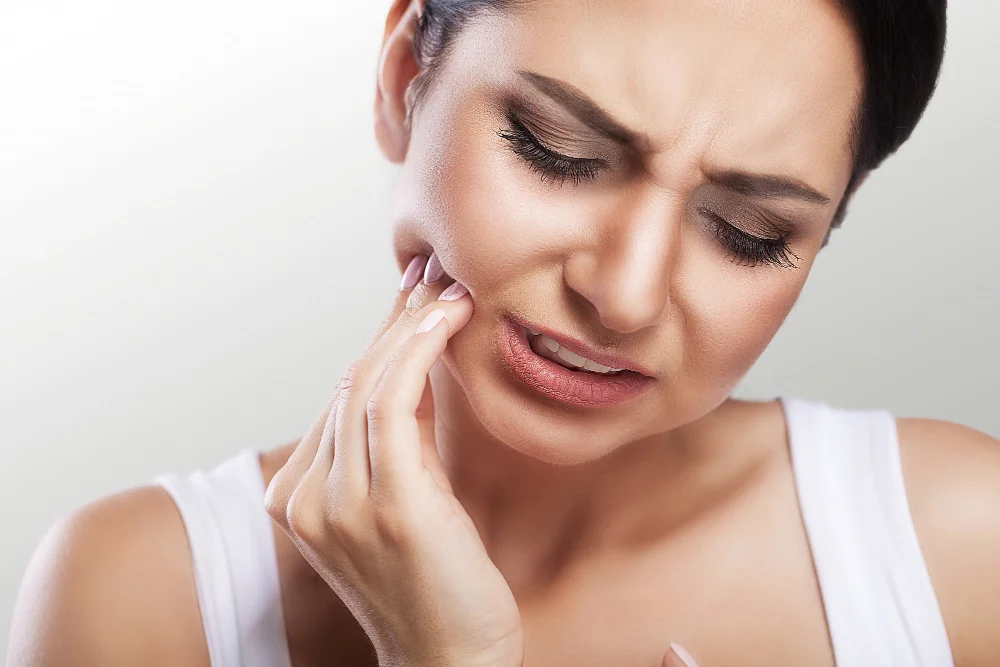
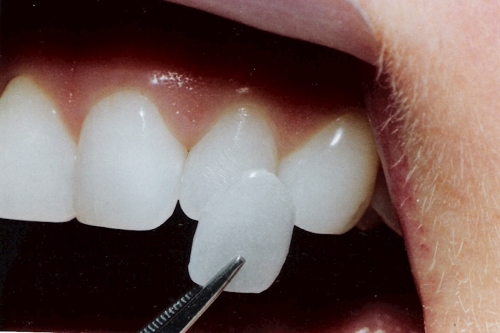
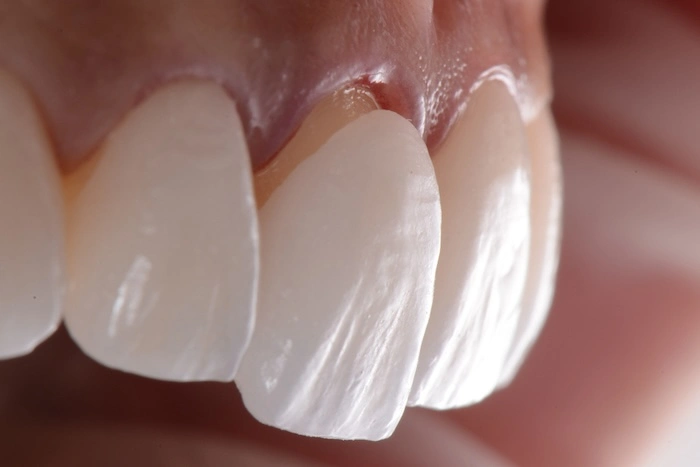
The bonding (cementation) of aesthetic restorations (especially porcelain veneers or all-ceramic crowns) to the tooth surface is a phase where extremely sensitive chemical and physical bonds are established at the microscopic level. The first 48 hours following the treatment is a critical timeframe during which the resin cements (bonding agents) used reach their final hardness and the gingival tissue begins to adapt to the new ceramic margins. Experiencing temporary thermal sensitivity (dentin hypersensitivity) to hot and cold foods during this early adaptation process due to microscopic fluid movements in the enamel and dentin tubules is a biologically expected and highly natural tissue reflex.
To get through this adaptation phase as comfortably as possible, patients are advised to avoid consuming excessively hot tea/coffee or iced drinks that create sudden thermal shocks. Additionally, to allow the bonding agents to complete their chemical reaction, avoiding overly hard, sticky, or foods requiring tearing force (e.g., biting a hard apple, chewing caramel) for the first few days is of great importance for the mechanical lifespan of the restoration. Very slight redness that may occur in the gums due to the cementation process will return to its healthy, light pink form in a short time with regular and gentle brushing. To ease this transition period, OPC Klinik physicians may recommend special desensitizing gels or fluoride mouthwashes when necessary.
Avoiding Mechanical Stresses and Parafunctional Habits
The oral cavity is a biomechanical area managed by the masseter (chewing) muscle, one of the strongest muscles in the human body, where extraordinary forces are generated. Although zirconium and glass ceramics are produced in laboratory environments with high resistance to chewing pressures, no artificial material fully possesses the unique modulus of elasticity that human enamel has. Therefore, the biggest factor threatening the long-term integrity of aesthetic dentistry applications is not food, but rather the individual’s “parafunctional” (abnormal) jaw habits.
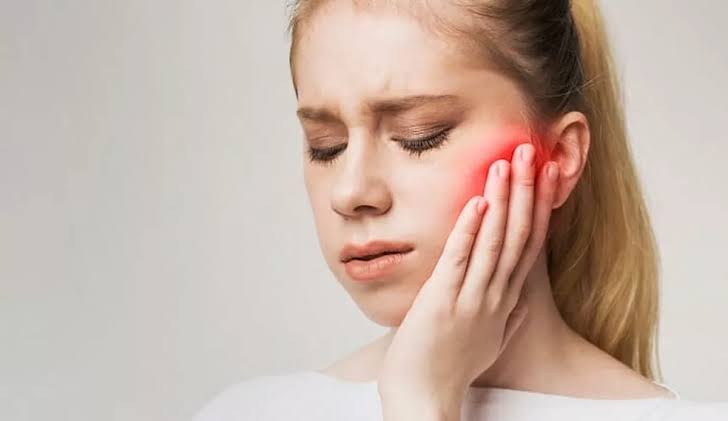
Traumatic actions such as biting the back of a pen, nail-biting, or trying to open packaging or bottle caps with teeth can lead to the formation of micro-cracks (crazing) on porcelain surfaces and eventually cause chipping at the marginal (edge) areas of the restoration over time. Furthermore, the act of clenching/grinding teeth (bruxism), which is one of the most common stress-induced problems of the modern age and usually occurs involuntarily during sleep, has a destructive effect on restorations. Following an aesthetic smile design, if the individual exhibits symptoms of bruxism (jaw joint pain in the morning, tension in the temples), custom-made, transparent protective night guards (occlusal splints) are prepared by the experts at OPC Klinik. These guards create a soft/hard barrier between the lower and upper teeth, isolating the ceramic restorations from unusual frictional forces and safely protecting your investment while you sleep.
Protecting Biological Margins: Specific Approaches in Oral Hygiene
The general belief in society is that materials like porcelain or zirconium do not require extra care since they will not decay. However, this is incomplete and dangerous information. The restoration itself (the ceramic structure) is not affected by bacterial acids and does not decay; but the margin area where the restoration ends and the natural tooth structure/gum begins is highly susceptible to plaque accumulation and cavity formation. If bacterial plaque organizes in these margin areas, gum recessions (gingival recession) or secondary cavities begin. When the gum recedes, the substructure of the restoration is exposed, which can completely ruin the targeted flawless aesthetic appearance.
To eliminate this risk, it is essential to go beyond the classic tooth brushing ritual. Particulate whitening toothpastes, which have a high abrasive effect on porcelain veneers or crowns, must strictly be avoided. Such toothpastes scratch and dull the flawless surface polish given to the ceramic in the laboratory over time, paving the way for the surface to hold onto external colorants (tea, coffee stains) more easily. Instead, fluoride-containing gel toothpastes with low abrasiveness (low RDA value) and soft-bristled toothbrushes should be preferred. Furthermore, integrating “water flosser” devices or interdental brushes into daily use to remove food residues and bacteria that may get stuck between the restorations is the most modern way to keep gum health at its peak.
Nutritional Dynamics: Discolorations and Chemical Abrasions
Our nutritional habits are a parameter that directly affects not only our general body health but also the optical properties of aesthetic restorations. All-ceramic laminates (E-max, etc.) are structurally materials that do not absorb color molecules and have a liquid absorption (water absorption) rate close to zero. This means the porcelain itself will not yellow. However, excessive consumption of intensely chromogenic (color-giving) substances such as tea, filter coffee, red wine, sour cherry juice, or heavily spiced foods, especially when combined with smoking, can cause superficial discolorations on the adhesive cement lines located at the junction line of the tooth and the restoration.
In addition, carbonated beverages with a high acid ratio (cola drinks, energy drinks) or frequently consumed citrus fruits like lemon and grapefruit rapidly lower the intraoral pH balance. While the acidic environment causes erosion (chemical melting) in the natural tooth enamel, tissue losses in neighboring teeth can make the overall smile aesthetics asymmetrical. Rinsing the mouth with water immediately after consuming such color-giving or acidic foods significantly helps neutralize the acid and remove color pigments from the surface.
Post-Operative Care Table According to Aesthetic Procedures
Every applied aesthetic procedure has its own biological structure and care requirements. Depending on which treatment you have received, you can review the clinical priorities you need to pay attention to in the detailed table below:
| Aesthetic Restoration Type | Early Stage (First 1-2 Weeks) Considerations | Long-Term Protection and Hygiene Strategy |
|---|---|---|
| Porcelain Laminate (Veneer) | Excessively hot/cold foods should be avoided; hard foods (apples, quince) should not be bitten off with the front teeth. | Using a soft brush is essential. Using dental floss prevents plaque accumulation at the interfaces of the laminate. If bruxism is present, a night guard is a must. |
| Zirconium / E-max Crown | To allow the cements to fully harden, sticky foods (Turkish delight, chewing gum, caramel) should be avoided for the first 48 hours. | Gum recession caused by food accumulation under the pontics (if any) should be prevented by using bridge floss (superfloss) or a water flosser (waterpik). |
| Clinical Teeth Whitening (Bleaching) | A “white diet” must be followed for the first 48 hours; all colorants such as tea, coffee, tomato paste, wine, and cigarettes must be strictly avoided. | For the continuity of the achieved bright appearance, light “touch-up” (maintenance) whitening sessions under the supervision of a physician can be planned every 6-12 months. |
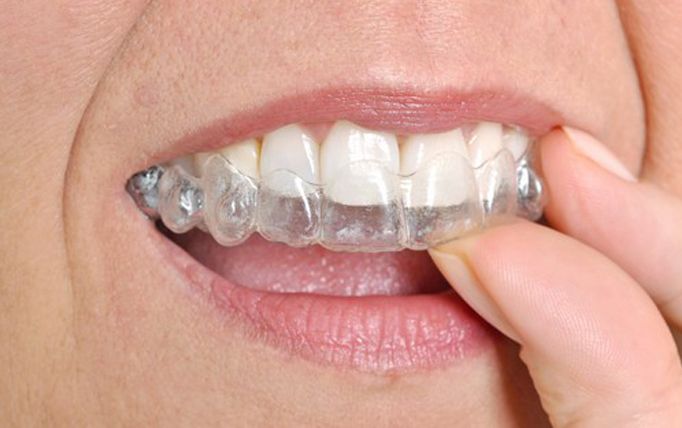
| Clear Aligners (Invisalign, etc.) | Aligners should be kept in the mouth only for drinking water; hot beverages should not be consumed while wearing aligners as they will deform them. | When removed, aligners must definitely be stored in their special case and gently cleaned with liquid soap and a separate brush in cold water twice a day. |
Daily Integrations for Long-Lasting Smiles
Making this achieved biological and aesthetic harmony a part of your daily life is not actually as difficult as it seems. Simply turning a few conscious habits into a routine supports this valuable investment you have made in your oral health to last for years:
- Regular and Professional Clinical Follow-ups: No intraoral problem appears out of nowhere. Routine check-ups to be performed at OPC Klinik in six-month periods allow for the cleaning of tartar at a microscopic level, the evaluation of restoration adaptations from a physician’s perspective, and the prevention of a possible periodontal (gum) problem while it is still in its initial stages. Check-up appointments serve as the insurance of aesthetic treatments.
Conclusion: Conscious Care is What Makes Aesthetics Sustainable
To sum up, aesthetic dentistry is a tremendous branch of medicine where science and art unite, directly elevating an individual’s life energy and self-confidence. Every smile we design at OPC Klinik is brought to life with millimetric calculations, respecting the unique facial anatomy and biological limits of our patients. However, it should not be forgotten that the preservation of this high-standard structural improvement offered to you by your physician depends on those valuable minutes you spend in front of the mirror in the bathroom.
Oral care performed with correct techniques, controlled consumption of acidic and coloring agents, and abandoning traumatic habits protect the biological harmony of your new teeth with the tissues. When you actively take responsibility for your dental health, that first excited smile that appears on your face as you leave our clinic will become a permanent signature that accompanies you throughout your social and professional life. Continue to give your body and health the value they deserve.