Teething is a challenging yet exciting period for both babies and parents, typically starting around 6 months and continuing until the age of 3. During this period, babies experience restlessness, sleep, and feeding disturbances, while parents strive to find the right methods to alleviate these symptoms and lay the foundation for good oral health. It’s important to remember that the eruption of teeth is the first step in a lifelong journey of oral and dental health.
As Private OPC Clinic Oral and Dental Health Clinic, located in the central Kozyatağı neighborhood of Kadıköy, Istanbul, our Pedodontics (Pediatric Dentistry) specialists offer scientifically based and practical solutions to parents during this sensitive period. Our clinic’s Kadıköy location allows for easy access, regular checkups, and rapid intervention in emergencies. Our goal is to ensure you get through the teething process as comfortably as possible and to ensure the protection of your first teeth.
Teething Symptoms and an Approach from the Kadıköy OPC Clinic
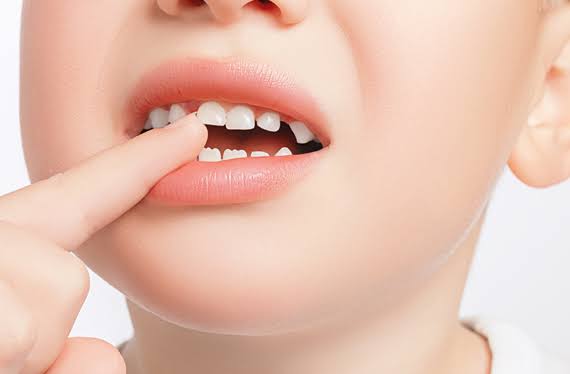
Teething is the process of teeth passing through the jawbone, breaking through the gums, and reaching the oral cavity. Although this process is a physiological process, it can cause significant discomfort in infants.
A. Common Symptoms of Teething
The tension and mild inflammation that occur during tooth eruption cause various behavioral and physical changes in infants. Recognizing these signs can help parents prevent unnecessary anxiety and incorrect practices.
- Excessive Saliva (Drooling): This is the most obvious sign of teething. Excessive drooling can cause rashes around the mouth and chin (diaper rash).
- Restlessness and Sleep Disturbances: Due to increased gum pressure and pain, especially at night, babies may wake frequently and have difficulty falling asleep.
- Swelling and Redness of the Gums: Mild swelling and redness may be observed in the area where the tooth erupts. Rarely, a bluish swelling called a gingival hematoma may also occur.
- The Urge to Bite and Chew: Babies tend to constantly put their hands, toys, or hard objects into their mouths to relieve itching and pressure on their gums.
- Loss of Appetite: Gum pain can cause the baby to avoid sucking or chewing during feeding and may cause a decrease in appetite.
B. The Importance of the First Checkup at the OPC Clinic
Teeth generally begin to emerge around the sixth month, which is also when the first dentist visit should be scheduled. At our clinic in Kozyatağı, our Pedodontists conduct this first visit as a counseling session focusing on methods for alleviating teething symptoms and initial dental care education. Early diagnosis and accurate information reduce parental anxiety.
Methods for Comforting Your Baby: Safe and Effective Solutions
There are many natural and safe methods that can be applied at home to relieve teething pain.
A. Physical Relaxation Techniques
- Cold Application: Cold is the most effective method for reducing swelling and pain. Wetting a clean piece of cheesecloth or gauze, chilling it in the refrigerator (not freezing it), and gently massaging your baby’s gums is very soothing.
- Teethers: BPA-free teethers chilled in the refrigerator (not frozen) can help your baby place them in their mouth to distribute the pressure.
- Massage: Gentle, circular massage with a parent’s clean finger applied to the area where the tooth is emerging reduces tension.
B. Feeding and Hygiene Recommendations
- Chilled Foods: Chilled yogurt, applesauce, or cold vegetable/fruit slices (carrots, cucumbers) in a special mesh bag can be offered to babies over 6 months and those starting solid foods. Continuous supervision is essential to prevent choking.
- Avoiding Pain-Relief Gels: Some over-the-counter teething gels should be used with caution due to the local anesthetics they contain. OPC Clinic Pedodontists recommend natural methods such as cold compresses and massage as the first choice instead of such gels. In cases of severe pain, pain-relieving syrups can be used with a doctor’s advice.
Critical Care Beginning with Teething: First Teeth Are the First Responsibility
The teething period is also the starting point for establishing permanent oral hygiene habits. As soon as the first primary tooth appears in the mouth, care routines should begin immediately.
A. First Tooth Care and the Risk of Baby Bottle Tooth Decay
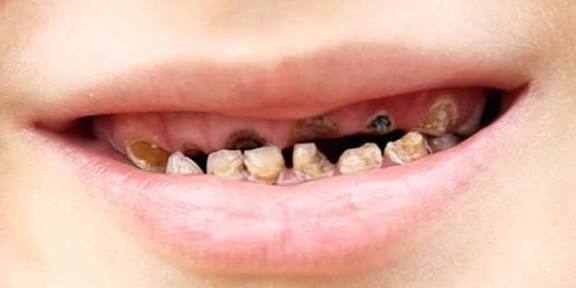
Baby bottle tooth decay (Early Childhood Caries) is a devastating type of decay that begins with the eruption of teeth and usually affects the upper front teeth. Kadıköy OPC Clinic experts pay special attention to this risk group and educate parents on the following:
- Nighttime Cleaning: After each feeding, especiallyAfter feeding before bed, the teeth should be wiped with a wet cloth or a soft finger brush.
- Toothpaste Use: Starting with the first tooth, age-appropriate toothpaste should be used (low-fluoride for ages 0-3, or a rice-sized amount if fluoride is present).
B. Teething Schedule and Monitoring Table
Baby teeth erupt in a specific order, and this order affects the child’s jaw development. It is important to regularly monitor this with your pediatric dentist.
| Tooth Type | Average Eruption Age | Average Fallout Age | Important Note |
| Frontal Incisors (Central) | 6 – 10 Months | 6 – 7 Years | They are usually the first teeth to appear, and care should begin immediately. |
| Lateral Incisors | 9 – 13 Months | 7 – 8 Age | This is the group most affected by baby bottle tooth decay. |
| First Molars | 13 – 19 Months | 9 – 11 Years | They have surfaces that are critical for chewing function and are prone to decay. |
| Canines | 16 – 23 Months | 10 – 12 Years | Important for the aesthetics and occlusion of the jaw structure. |
| Second Molars | 23 – 33 Months | 10 – 12 Years Old | These backmost teeth bear the main load of chewing. |