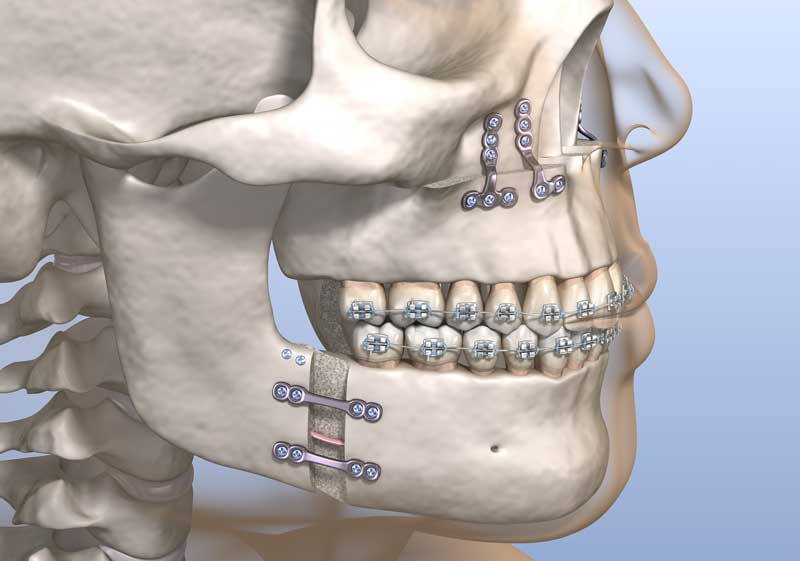
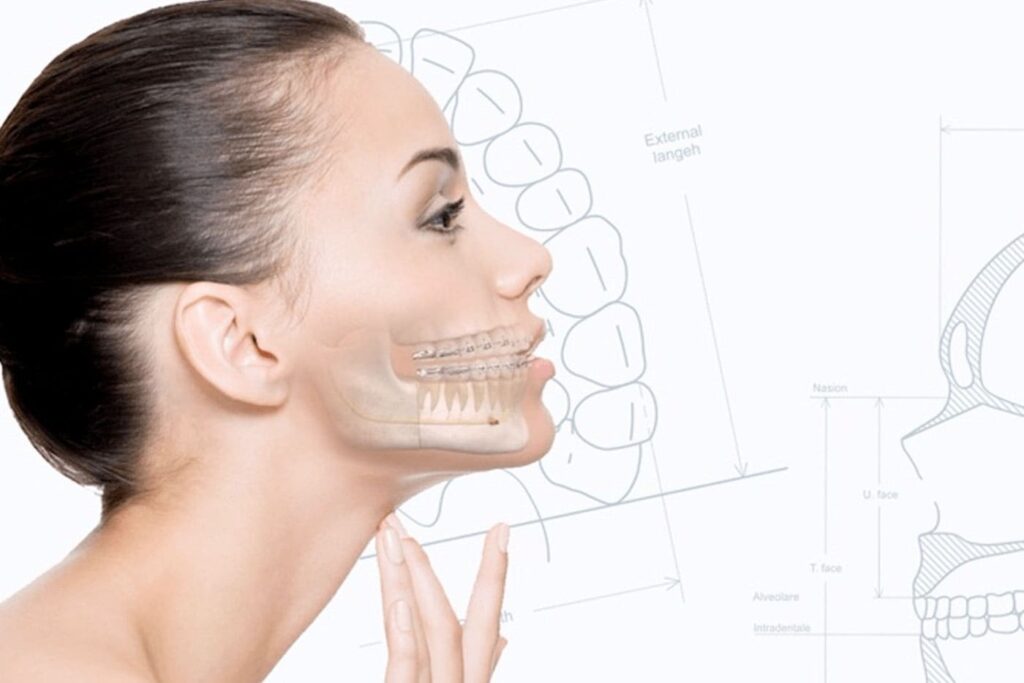
Orthognathic Surgery (Corrective Jaw Surgery) is a significant intervention that permanently corrects skeletal jaw discrepancies and facial aesthetics, improving quality of life. The success of the procedure largely depends on how meticulously the post-operative recovery process is managed. Patient discipline during this period is vital for the longevity of surgical results and a comfortable recovery.
At OPC Clinic, located in Kadıköy, Istanbul’s central location, we ensure that our patients navigate this delicate period after Orthognathic Surgery with the safest, most comfortable, and most expedited protocols. Our expert Oral and Maxillofacial Surgeons and Orthodontists guide you step-by-step throughout the treatment, minimizing your anxiety.
In this comprehensive guide, we will examine the Recovery Process After Orthognathic Surgery, from the first hours of hospital discharge to the return to normal life, including all critical stages, nutritional and care protocols, with detailed tables and bullet points.
I. Early Recovery: Hospital and First Week (0-7 Days)
The first week after surgery is the critical period when swelling, pain, and feeding difficulties are most intense, but also when recovery is most rapid.
A. The First 24-48 Hours in the Hospital
OPC Clinic patients are generally observed in the hospital for 1 to 3 days after surgery. During this time, the main focuses are:
- Pain Management: Pain is kept to a minimum by administering painkillers, usually intravenously (IV), at regular intervals. Most patients report less pain than expected.
- Swelling Management (Edema Control): Facial swelling (edema) is a natural consequence of surgery and reaches its maximum level within the first 48-72 hours.
- Cold Compress: Ice compresses are applied regularly (20 minutes on, 20 minutes off) to the sides of the face and jaw joints.
- Head Elevation: Sleeping with a high pillow, with the head raised above the heart, reduces fluid accumulation and swelling thanks to gravity.
- Liquid Nutrition: Initial fluid replacements begin in the hospital. At this stage, nutrient-rich, clear liquids are vital.
- Oral Hygiene: Gently gargle with special antiseptic mouthwashes recommended by the surgeon. Incisions in the mouth must be kept clean for healing.
B. First Week at Home (Critical Priorities)
After the patient is discharged, the medications, nutritional guidelines, and care instructions prescribed by the OPC Clinic must be followed completely.
First Week Care and Management Guide
II. Intermediate Recovery Period: Adaptation and Function (2-6 Weeks)
From the second week onwards, swelling significantly decreases, pain is controlled, and the patient begins to return to their daily routine.
A. Gradual Nutritional Transition (OPC Clinical Nutrition Protocol)
Chewing should be avoided for at least 6 weeks for the jawbones to heal. This process should be supported with high-calorie foods rich in protein and vitamins.
- Week 2 (Puree Diet): A transition from liquids to thicker consistency is made. Pureed vegetables, yogurt, pudding, and mashed soft cheeses may be consumed. Absolutely no grains should be present.
- Weeks 3-6 (Soft Diet): With a doctor’s approval, foods that are too soft to cut with a knife may be introduced. Mashed pFoods such as potatoes, pureed meat (blended ground meat), well-boiled pasta, and omelets can be added to the menu.
- Chewing Prohibition: Even during this period, hard or crunchy foods that strain the jaw (bread crusts, nuts, raw vegetables) are strictly prohibited.
B. Physical Activity and Return to Daily Life
- Return to Work/School: Once swelling and bruising have subsided, most patients can return to desk jobs or school after 2 to 4 weeks.
- Sports and Exercise: Strenuous sports, running, or contact sports are strictly prohibited for the first 4 weeks. After the fourth week, light-paced walking can be increased, but surgeon approval is required.
- Smoking and Alcohol: Smoking and alcohol consumption should be strictly avoided for at least 4-8 weeks after surgery, as they significantly slow wound healing and increase the risk of infection. At the OPC Clinic, we recommend strict adherence to this restriction.
C. Speech and Jaw Exercises
Speaking may be difficult in the first weeks due to swelling and tension in the jaw muscles.
- Speech: Speech ability returns to normal over time. Initially, the focus should be on speaking slowly and clearly.
- Physical Therapy: As soon as the surgeon allows (usually after 4-6 weeks), jaw exercises are initiated to increase the range of motion (mouth opening) of the jaw joints. These exercises help the chewing muscles adapt to the new jaw position.
Key Developments and Precautions Between Weeks 2-6
III. Late Recovery and Completion Period (After 6 Weeks)
By the end of the 6th week after surgery, most of the bones have fused, and the patient has begun to adapt to the new appearance and function brought about by the surgery.
A. Post-Surgical Orthodontics: The Final Touches
- Beginning: Approximately 6-8 weeks after surgery, regular checkups with the OPC Clinical Orthodontist begin.
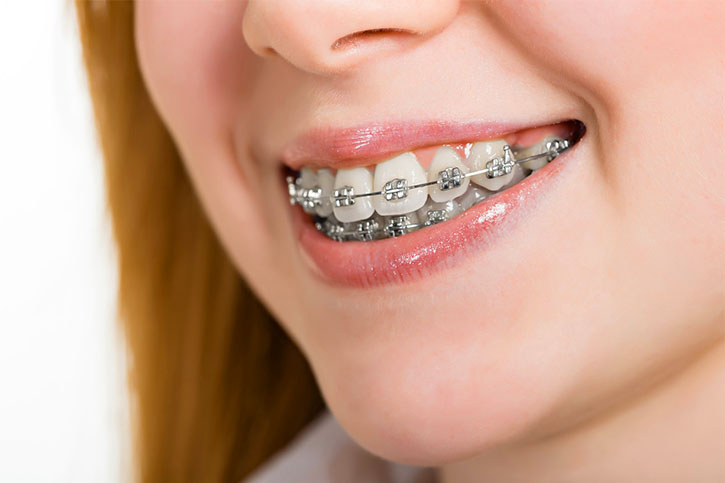
- Goal: To achieve complete and perfect occlusion of the teeth based on the skeletal harmony achieved through surgery.
- Duration: This final orthodontic phase typically lasts 6 to 12 months.
B. Sensory Recovery and Nerve Function
Orthognathic surgery may cause temporary numbness (numbness) in the lower jaw area (especially the lower lip and chin).
- Appearance: This numbness is to be expected after surgery.
- Recovery: It takes time for the nerves to repair themselves. It can usually take from a few weeks to 6-12 months for sensation to return. In rare cases, it can be permanent, but modern surgical techniques (3D nerve mapping) used at the OPC Clinic minimize this risk.
C. Final Aesthetic Result
- Facial Profile Settlement: It may take from 6 months to 1 year for the facial features and soft tissue to fully adapt to the new bone structure, for the swelling to completely subside, and for the final surgical result to be seen.
IV. OPC Clinic Kadıköy: Strategies to Accelerate Recovery
Kadıköy OPC Clinic not only monitors the healing process of its patients but also offers modern approaches to support it.
A. Nutritional Support and Dietetic Guidance
Long-term liquid and soft diets can cause patients to lose weight and develop nutritional deficiencies. At the OPC Clinic:
- High Protein: High-protein beverages support bone and wound healing. Patients are provided with nutrition plans that meet their daily calorie and protein needs.
- Hydration: Consuming plenty of water is vital for eliminating toxins and maintaining overall health during the healing process.
B. Digital Tracking and Communication
OPC Clinic maintains constant communication with its patients:
- Emergencym Communication: 24/7 communication lines are available in case of possible post-operative bleeding, high fever, or unexpected severe pain.
- Regular Checkups: Surgical checkups, followed by orthodontic checkups, are meticulously planned at 1, 3, and 6 weeks post-operatively.
V. Expert Tips on Orthognathic Surgery Recovery
The healing process requires patience and discipline. Key advice for our patients from the experts at OPC Clinic Kadıköy:
- Patience is Key: Recovery is a process, not an event. Remember that you will get better every day.
- Medication Compliance: Take painkillers and antibiotics as prescribed by your doctor, on time.
- Oral Hygiene: Maintain your toothbrushing and gargling routine to prevent infection in the incisions inside your mouth. Infection is the most debilitating factor in healing.
- Don’t Strain Your Face: Avoid opening your mouth too wide for the first 6 weeks or engaging in any movements that strain your jaw.
Remember, orthognathic surgery not only improves your jaw structure but also your quality of life. This recovery period is part of the permanent and positive change.