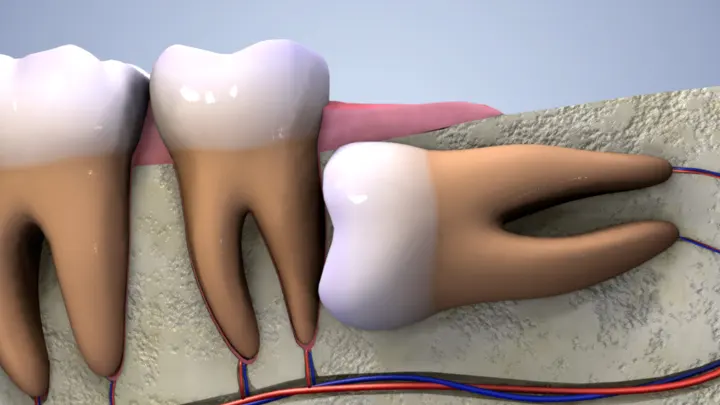
Reasons for Impacted Wisdom Teeth
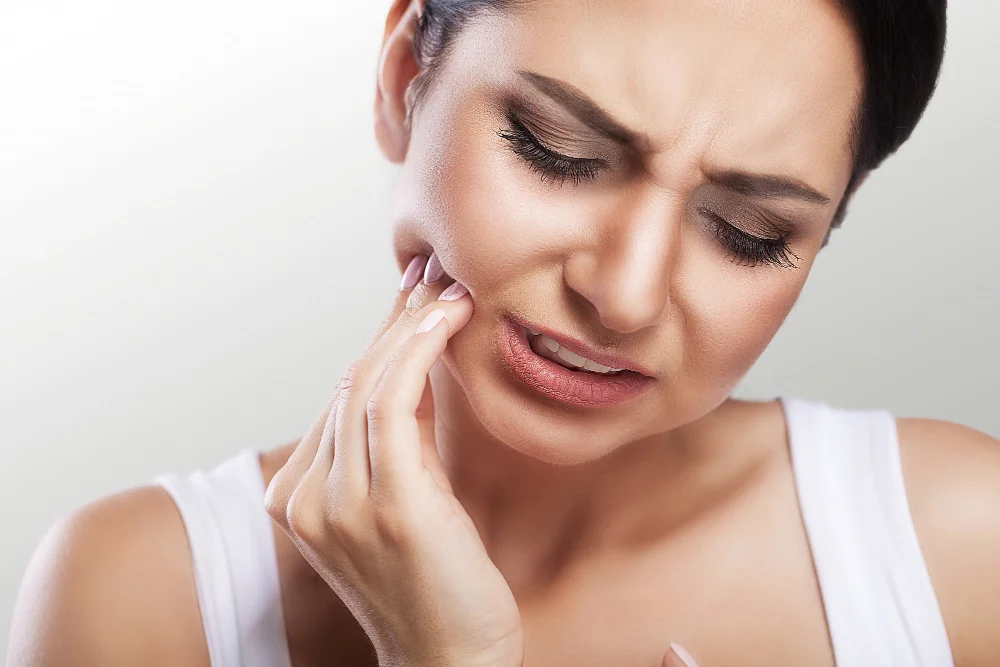
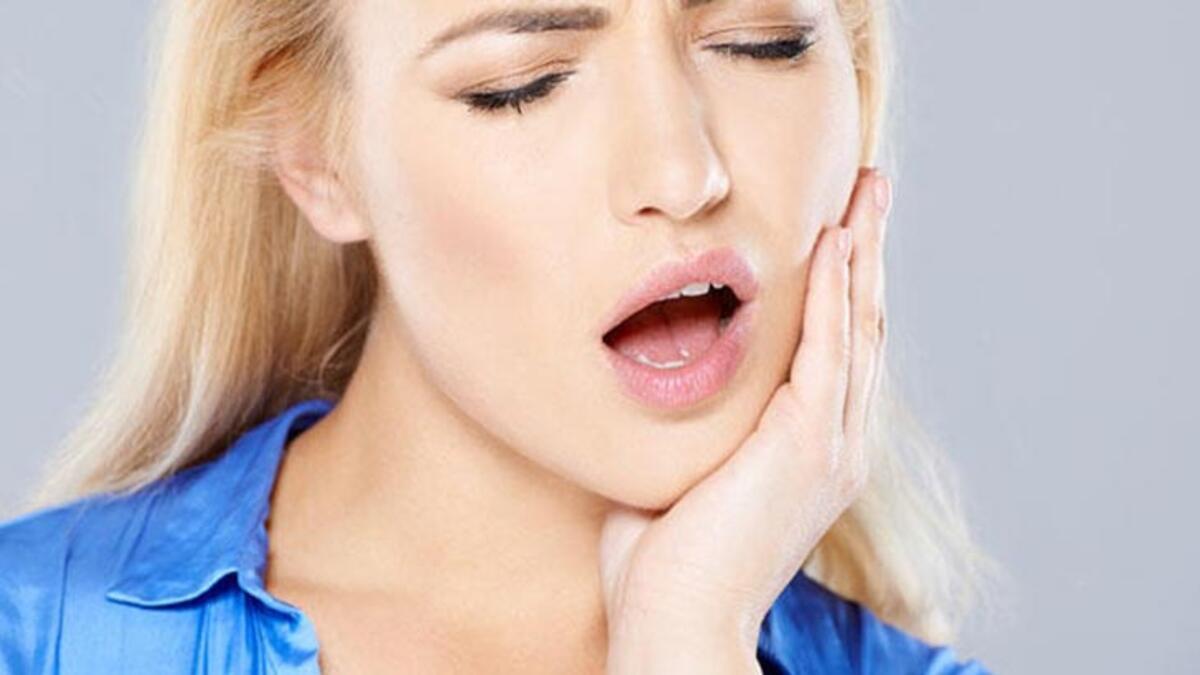
Almost everyone living in Istanbul has a common trauma they experience at some point in their lives (usually between the ages of 18-25, during the busiest periods of university or working life): A sudden onset of jaw pain radiating to the ear and difficulty opening the mouth. The culprit is clear: Wisdom Teeth.
So, why do these teeth constantly cause problems while our other teeth (incisors, canines, premolars) take their places without any issues? Why do these teeth remain impacted in the vast majority of humans? Is this a disease or an evolutionary consequence?
1. Evolutionary Process: The “Use It or Lose It” Law
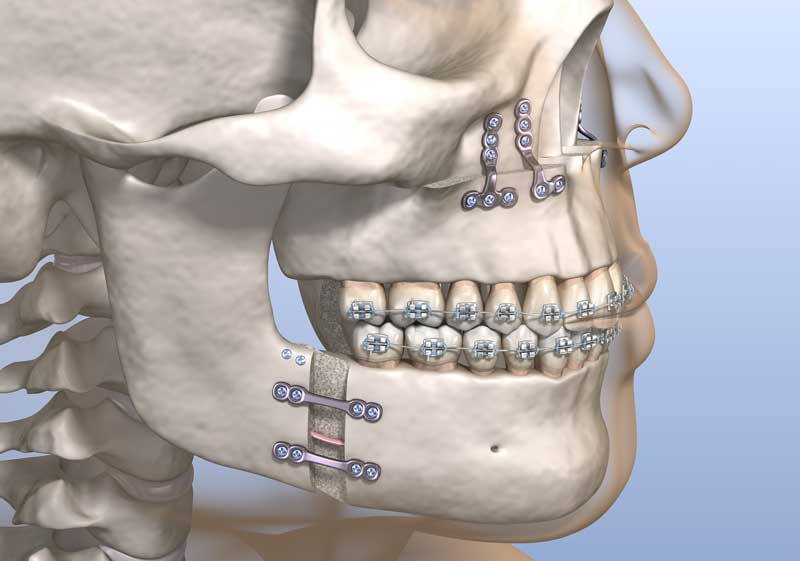
The most fundamental reason why wisdom teeth remain impacted is our biological evolution. The jaw structures of our ancestors who lived thousands of years ago were much wider and stronger than those of modern humans.
Our ancestors consumed raw meat, hard roots, uncooked vegetables, and nuts. To grind these hard foods, they needed extra chewing power (3rd molars) and a large jaw. Because their jaws were wide, all 32 teeth could comfortably fit in their mouths.
The Jaw Shrunk, the Number of Teeth Remained the Same
With the discovery of fire, the cooking of food, and the agricultural revolution, humankind’s food softened. The need for chewing power decreased. According to the “Use It or Lose It” principle in biology, our jawbones have shrunk and become more refined over generations. However, the number of teeth in our genetic code (32) did not decrease at the same rate. The result: We are trying to fit too many things (32 teeth) into a small room (modern jaw). And the last one to enter through the door (wisdom teeth) is left outside.
2. Istanbul and Modern Eating Habits
Aside from our genetic inheritance, our eating habits during childhood also affect jaw development. Children growing up in metropolises like Istanbul are generally fed “refined” foods.
Hamburgers, purees, soft breads, cooked pasta… These foods do not sufficiently stress the jaw muscles and bones. The jawbone is a tissue that develops and grows as long as it is subjected to weight (Wolff’s Law). The jaws of children who do not chew hard enough food develop below their genetic potential and remain narrow. This narrowness causes a lack of space for wisdom teeth to erupt (lack of space) by the age of 18.
3. Anatomical Obstacles and Eruption Path
There are also mechanical reasons for wisdom teeth remaining impacted. These teeth are located at the very back of the jaw, in the corner.
- Retromolar Zone Narrowing
In the lower jaw, the bone space (ramus) behind the 2nd molar is insufficient in most people. Even if the tooth tries to erupt, it hits the bone wall. - Thick Mucosa and Bone
Because these teeth erupt last, the gum tissue (mucosa) above them is very thick, and the bone is very dense (cortical bone). The eruption force of the tooth may not be enough to penetrate this barrier.
Oblique Position (Angular Position)
Sometimes, when the tooth germ forms, it is positioned horizontally or at an angle. As the tooth grows, it moves not upwards, but towards the tooth in front or towards the cheek. In this case, eruption is impossible.
4. Genetic Factors
“My mother also had impacted wisdom teeth.” This sentence is no coincidence. Jaw size, tooth size, and the timing of tooth eruption are hereditary traits.
If you inherited the genes for “small jaw” from one parent and “large teeth” from the other, your teeth will not fit in your jaw (malocclusion). This genetic lottery is the basis of impacted teeth cases that we frequently encounter in clinics in Istanbul and that show familial transmission. Impaction Positions (Classification)
Wisdom teeth do not become impacted randomly. Their positions determine the surgical difficulty and the danger they will create. Here is the Winter Classification used by surgeons in Istanbul:
| Position | Description | Risk Level |
|---|---|---|
| Mesioangular (Forward Tilted) | The tooth is tilted towards the molar in front. This is the most common type. | High (Can cause decay in the front tooth). |
| Vertical | The tooth stands upright but is hidden under bone or gum tissue. | Medium (Pericoronitis/Infection risk). |
| Horizontal | The tooth is completely horizontal (90 degrees). It can never come out. | Very High (It erodes the roots, forms cysts). |
| Distoangular (Backward Tilted) | The tooth is turned inwards towards the jawbone (ramus). | Very Difficult (It is the most difficult to remove surgically). |
📍 IstanbulEarly Diagnosis Opportunities in Istanbul
As parental awareness increases in Istanbul, children are being taken for orthodontic examinations at the ages of 12-14 (before wisdom teeth form roots). Panoramic X-rays allow the angle of the wisdom tooth’s root to be visualized, enabling a diagnosis of “This tooth will remain impacted in the future” years in advance. This allows for the problem to be solved before it worsens through preventative surgery (germectomy).
What Happens If It Remains Impacted? (Chain Reaction)
An impacted tooth is not just an innocent structure “sitting there.” Over time, it leads to the following problems:
Pericoronitis: Inflammation of the gum tissue around a partially impacted tooth. It causes severe pain and bad breath.
- Cyst Formation: The follicle sac around an impacted tooth can collect fluid and turn into a cyst, eroding the jawbone.
- Malocclusion: Impacted teeth can push the teeth in front (especially the lower front teeth), disrupting orthodontic treatment.
- Loss of the Second Molar: A horizontally positioned wisdom tooth can put pressure on the root of the healthy tooth in front, causing it to decay.
⚠️ When Should You See a Doctor?
Don’t wait for wisdom teeth to “ache”. Damage has usually already occurred by the time pain starts. It is essential for every individual aged 17-25 to visit an oral and maxillofacial surgeon in Istanbul to have a panoramic X-ray and have the position of their teeth checked.
Conclusion: Don’t Fight Nature, Take Precautions
Impacted wisdom teeth are an evolutionary reality of modern humans. As our jaws continue to shrink, this problem will increase in future generations.
However, this is not fate, it is a manageable condition. With Istanbul’s advanced diagnostic and surgical facilities, your impacted teeth can be detected and comfortably removed without forming cysts or tumors and without damaging neighboring teeth. Remember, the best treatment is preventive intervention before the problem (pain/swelling) arises.