Unknowingly grinding your teeth at night You may clench your teeth. Bruxism has many causes. The most common causes are psychological. The causes of nighttime teeth grinding are usually stress-related. If you wake up with a headache in the morning, it’s likely because you grind your teeth at night.
A symptom of teeth grinding is when your jaws are close together and your teeth are stacked on top of each other when you wake up. Constantly having your teeth pressed together, as if you’re in a chewing position, can also lead to tooth sensitivity.
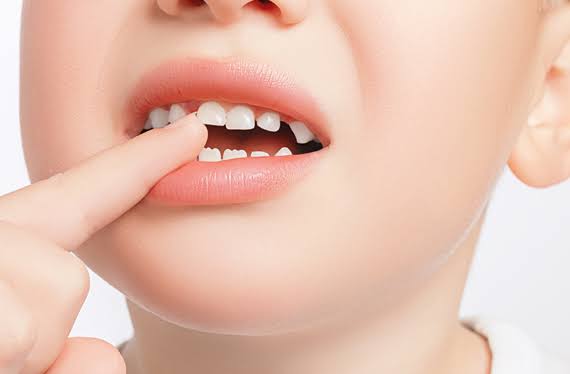
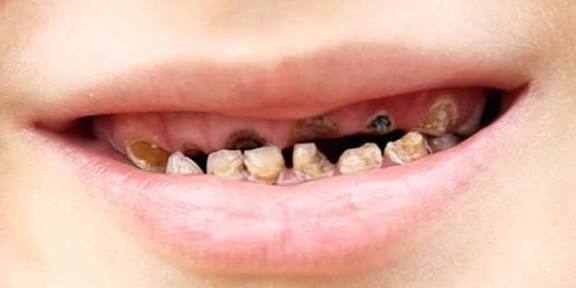
Teeth grinding is often overlooked and ignored. However, if left untreated, you may wake up with worsening headaches. The wear and tear on your teeth can lead to tooth decay and loss over time.
What is teeth grinding? (What is bruxism?)
Teeth grinding and tension are often experienced when you’re angry. You may notice that your entire body is more tense than usual. This state of mind can persist at night due to the stress of the day. You might clench your teeth when you’re angry, just like you do when you’re awake during the day.
You can find professional solutions to all your dental problems by making an appointment at the OPC Clinic.
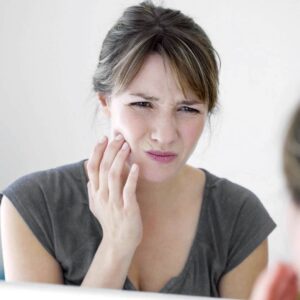 Bruxism (Teeth Clenching) What is it?
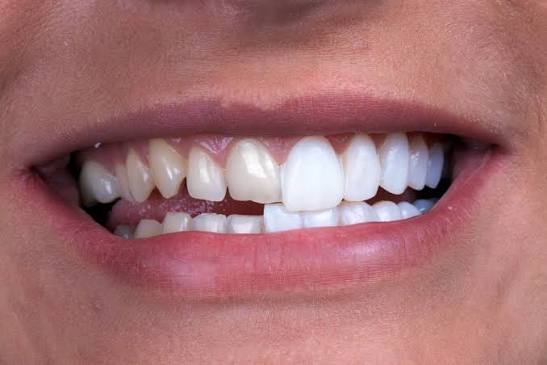
Teeth grinding, also known as bruxism, is the clenching of the upper and lower jaws together, day or night. The harsh overlapping of the teeth can cause tooth wear.
Bruxism manifests not only as clenching the teeth, but also sometimes as a grinding accompanied by clenching. You may be clenching your teeth at night due to factors such as structural disorders, intense anxiety, and stress. As soon as you notice this, you should take the necessary precautions to prevent it. You can consult your dentist to learn and implement methods to prevent teeth grinding. Bruxism can be divided into daytime and nighttime teeth grinding.
Daytime teeth grinding is a behavior that can be easily recognized and prevented. However, it may not always be noticed at first glance during anger or stress. You can stop grinding your teeth as soon as you notice it. Nighttime teeth grinding is a problem that may not be easily recognized by the individual. You can indirectly identify nighttime teeth grinding by observing the symptoms and taking the necessary precautions.
 Night Teeth Grinding Problem Causes
If the causes of your problem cannot be identified, it will not be possible to find a permanent solution. Therefore, it is necessary to identify the physical and psychological basis of teeth grinding. Common causes of nighttime teeth grinding include:
- Curvatures and structural deformities in the jawbones,
- Tension due to intense stress,
- Suppressed anger,
- Reflux,
- Parkinson’s,
- Dementia,
- Night terrors,
- Sleep apnea,
- Attention deficit hyperactivity disorder,
- Closing of the jaw due to diseases that cause attacks, such as epilepsy, can occur.
Identifying teeth grinding can be done by being stimulated by people around you or by hearing a clicking sound coming from your jaw while eating. If the cause of teeth grinding is psychological, you can overcome this problem with the support of a psychologist or psychotherapist.
Engaging in sports like yoga, Pilates, and fitness to reduce stress during the day can help reduce tension. By stepping away from the stress of the day, you can reduce teeth clenching. Teeth clenching is a behavior that often stems from anger being bottled up and not expressed. You can also find relief through anger management and expression strategies.
How to Tell if You’re Clenching Your Teeth at Night?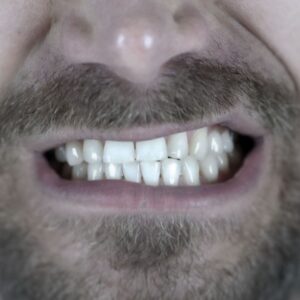
The symptoms of nighttime teeth grinding can be subtle. A person often doesn’t realize they’re grinding their teeth at night. If you’re clenching your teeth at night, your partner may notice. Symptoms such as a headache, a clicking sound in the jaw when opening and closing your mouth, jaw pain, and tooth sensitivity can help diagnose bruxism.
You might feel an intense headache when you wake up in the morning. Your teeth might begin to feel sensitive, even if they weren’t there before. Your jaw might start to hurt. All of these symptoms could indicate that you’re clenching your teeth at night. For whatever reason, if you notice you’re grinding your teeth, you should consult your dentist without delay. This way, you can prevent serious damage to your teeth. Preventing teeth grinding can vary depending on your daily habits and the intensity of your clenching. Your dentist’s experience is also crucial.
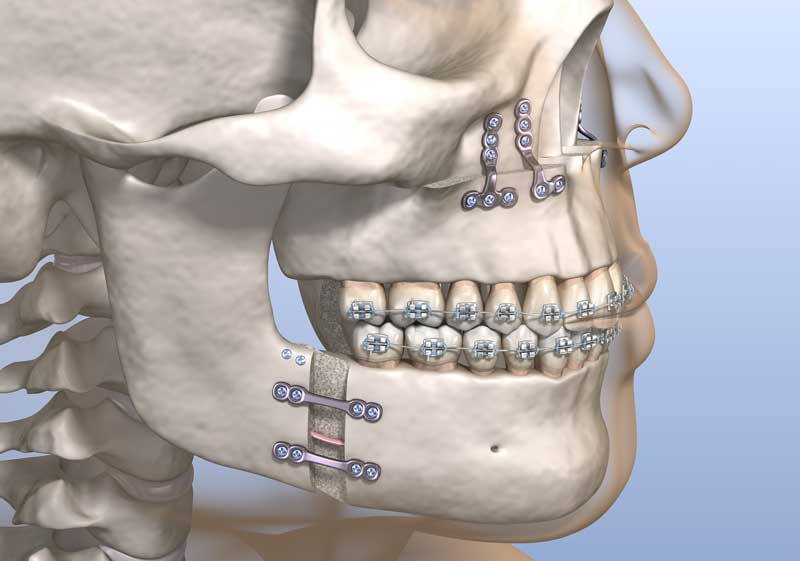
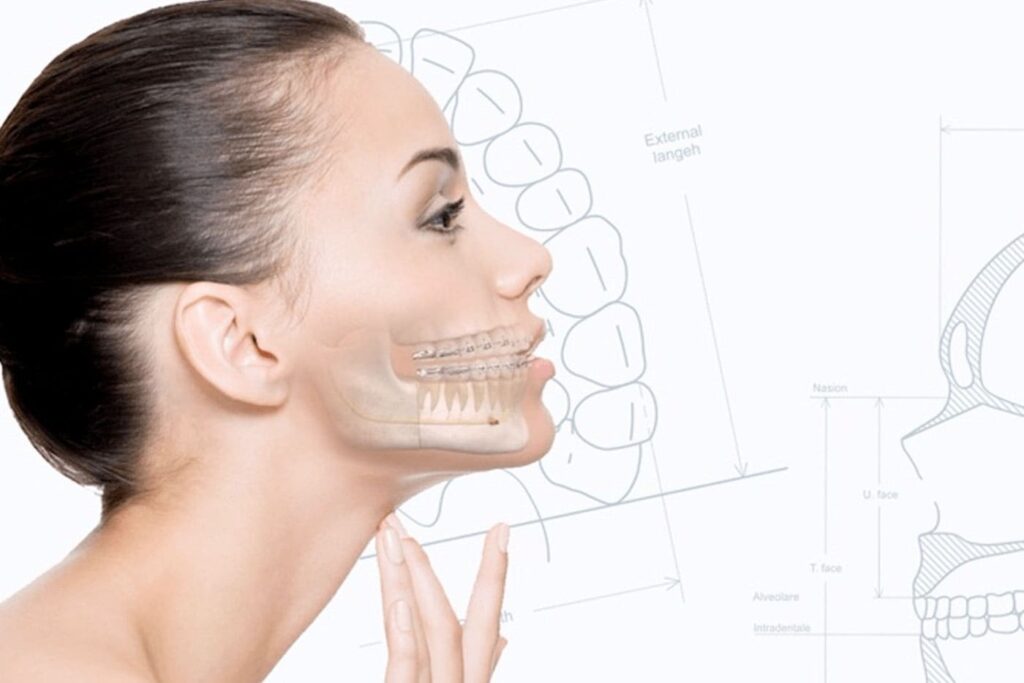
Congenital structural deformities in the jaw can sometimes cause teeth clenching. In these cases, the structural deformity can be identified and corrected with one or more surgical procedures. Correcting crooked jaws is especially important for proper chewing. Correcting crooked jaws is also crucial for correcting speech disorders. Furthermore, maintaining a smooth oral cavity is crucial for preventing tongue biting while speaking or eating.
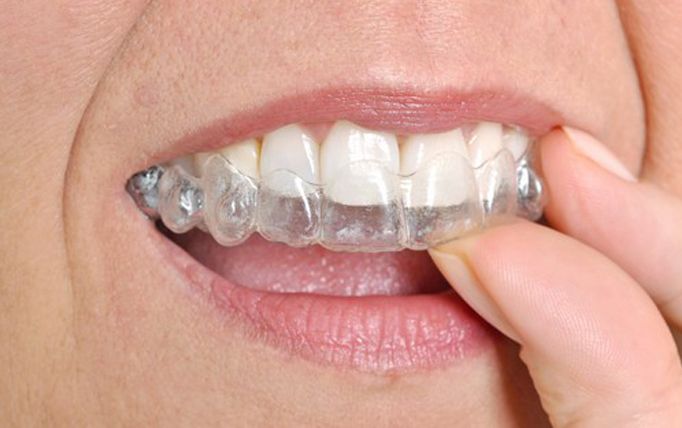
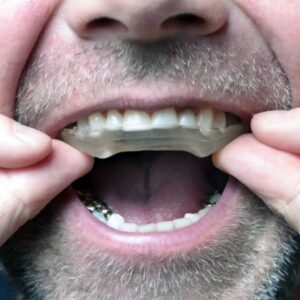 Treatment of Night Teeth Grinding Problem Methods