Childhood is the golden age, not only when teeth erupt, but also when the jawbones and facial structure develop rapidly, and growth potential is at its highest. Orthodontic evaluations performed during this critical period have the potential to prevent much more complex and lengthy treatments in the future. While adolescence is often thought of when orthodontic treatments are mentioned, the defining milestone for specialists is the 7-year-old checkup.
As Private OPC Clinic Oral and Dental Health Clinic, centrally located in the Kozyatağı neighborhood of Kadıköy, Istanbul, we, in collaboration with our Pedodontics and Orthodontics specialists, consider the 7-year-old checkup a mandatory health step for every child. Our clinic’s strategic location in Kadıköy allows families to monitor their children’s growth without disruption. Our goal is to detect any skeletal problems that may arise in the teeth and jaw structure during this early period, before growth potential is fully reached, and to ensure optimal development through simple interventions.
Why is 7 the Ideal Age for an Orthodontic Exam?
The American Association of Orthodontists (AAO) and international pediatric guidelines recommend that a child’s first orthodontic evaluation be no later than age 7. This age is not just a calendar year; it’s also a period when significant physiological changes occur in the child’s mouth.
A. Analysis of Permanent Teeth and Jaw Relationships
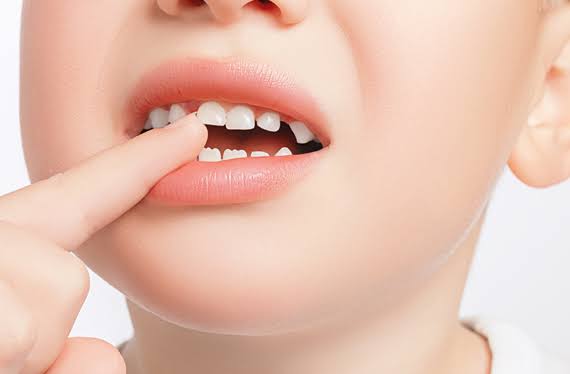
Around age 7, the first permanent molars (6-year-old teeth) and incisors in the upper and lower jaws begin to erupt. These newly emerged teeth and their occlusal relationships provide the orthodontist with crucial clues about future jaw development and potential malocclusions.
- Key Indicators: During this period, our specialist examines whether the first permanent molars are locked in the correct position. Locking problems can be a sign of jaw disharmony. Early intervention can help correct jaw closure with the use of a simple appliance, preventing future problems that may require surgery.
- Early Detection of Impacted Tooth Risk: Panoramic X-rays taken at an early age evaluate the position of the permanent tooth seeds within the jawbone. Potential deviations in the eruption paths or tight spaces are identified early, preventing teeth from becoming impacted or emerging in an incorrect position.
B. Assessment of Growth and Developmental Potential
Age 7 represents a period when the skeletal structure of the jaw is still flexible and manageable. Many skeletal problems that require surgical intervention in adulthood can be addressed with functional appliances applied at this age.
- Jaw Narrowness and Expansion: Maxillary narrowness is a common problem, causing teeth to emerge crookedly. At the OPC Clinic, the maxilla can be expanded with a simple jaw expansion appliance (rapid palatal expander) applied during the growth period. This creates sufficient space for permanent teeth and can prevent respiratory problems such as mouth breathing.
Benefits of Early Orthodontic Treatment (Phase I Treatment) at the OPC Clinic
Orthodontic treatments can be conducted in two phases: Phase I (intervention at an early age) and Phase II (fixed braces treatment performed during adolescence, when all permanent teeth have emerged). Early intervention (Phase I), which begins under the guidance of a Pedodontist at the OPC Clinic Kozyatağı, generally aims to:
A. Correcting Functional and Skeletal Problems
- Correcting Crossbite: A crossbite is the improper alignment of one or more teeth in the upper or lower jaw. This can cause asymmetrical growth of the jaws and lead to problems with the temporomandibular joint (TMJ). With early intervention, this malocclusion can be quickly corrected.
- Preventing the Effects of Bad Habits: Harmful habits, such as thumb sucking, nail biting, lip biting, or tongue thrusting, that persist around the age of 7, permanently disrupt tooth alignment and jaw structure. Specialized appliances (Habit Breakers) designed to prevent these habits are applied at the OPC Clinic under the supervision of a specialist.
B. Facilitating Future Treatment (Time and Cost Advantage)
Early intervention paves the way for future permanent dentition and aesthetic corrections.
- Reducing Orthodontic Treatment Time: When jaw and skeletal problems are resolved with Phase I treatment, fixed braces (if necessary) applied during adolescence (Phase II) are much shorter and simpler.
- Reducing the Likelihood of Tooth Extraction: Creating adequate space for permanent teeth through procedures such as jaw expansion at an early age significantly reduces the need for permanent tooth extractions in the future.
Orthodontic Control Process and Management at OPC Clinic Kadıköy
OPC Clinic’s Kozyatağı location allows for the integrated work of the Orthodontics and Pedodontics departments. Children,During routine pedodontic checkups, the child is also monitored orthodontically and referred to a specialist orthodontist when necessary.
A. Early Orthodontic Checkup (Age 7) Stages
| Stage | Application | Purpose |
| 1. Clinical Examination | Examination of teeth, jaw, facial structure, swallowing, and speech functions. | Initial detection of skeletal and dental disorders. |
| 2. Diagnostic Materials | Panoramic and Cephalometric X-rays, intra- and extra-oral photographs. | Detailed analysis of impacted teeth, jaw angles, and growth direction. |
| 3. Risk Analysis | Determining treatment timing based on the child’s habits and developmental age. | Deciding on Phase I (Early Intervention) or Observation Only (Follow-up). |
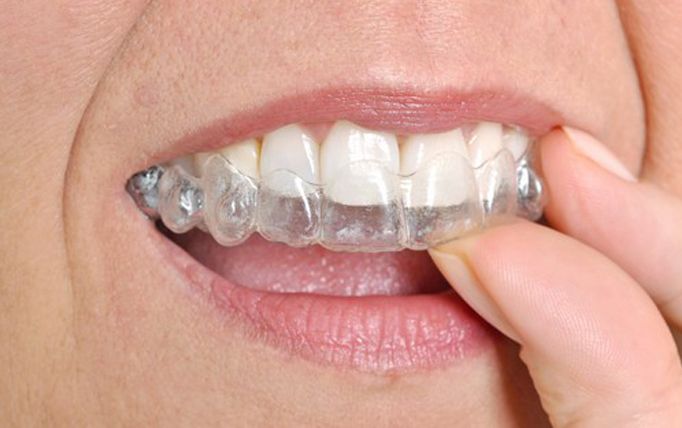
| 4. Parent Information | Detailed explanation of treatment options (Removable appliances, Clear aligners, Rapid Expansion Devices). | Ensuring the parent’s active participation in the process. |
B. Decision to Begin Treatment: Observation or Active Intervention
It’s important to remember that the 7-year-old checkup doesn’t mean braces will be placed immediately. On the contrary, this checkup is a starting point for the orthodontist to monitor the child’s growth.
- Observation and Follow-Up: Most of the time, our specialist only performs checkups at regular intervals (e.g., every 6 months) and monitors the natural course of growth. This monitoring is vital for timely intervention.
- Active Intervention: If there is a skeletal problem such as a crossbite, mandibular recession/progression, or severe under-space, treatment begins immediately during this period when growth potential is highest.