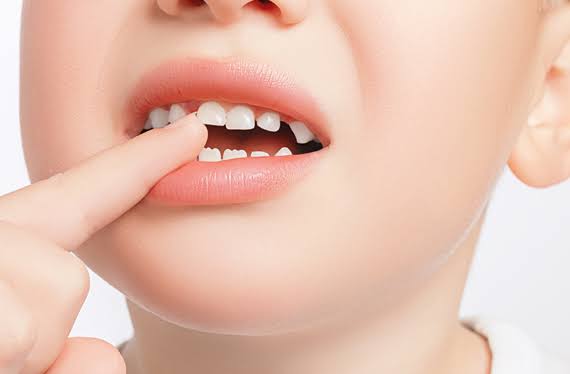
Pedodontics, also known as Pediatric Dentistry, not only treats children’s teeth but also lays the foundation for a lifelong relationship with their dentist. Even a single negative childhood experience can lead to a dental phobia that can be difficult to overcome in adulthood. Therefore, painlessness and stress management are key to clinical success in pediatric dental treatments.
Located in Kozyatağı and Suadiye, Istanbul’s centrally located districts with easy access, the OPC Clinic implements a “Comfort Protocol” that meets international standards in pediatric dentistry. This protocol combines the most advanced anesthesia techniques with behavioral guidance techniques appropriate for child psychology, transforming dental treatment into a game and adventure for young patients.
This comprehensive blog post explains that painlessness in pediatric dental treatments is not just about eliminating the pain of the injection; It will also examine in detail, using the example of the OPC Clinic, the need for integrated use of Sedation (Laughing Gas) and a child-friendly clinical environment.
The Source of Dental Phobia in Children and the Priority of Pedodontics
Children’s fear of the dentist (dental phobia) generally stems from experiences associated with the unknown, sudden noises, and, in particular, the pain of needles.
a. Elements That Feed Fear:
- The Appearance and Pain of the Needle: The large syringe and the burning/pressure felt during the injection are the most traumatic experiences for the child.
- Loss of Control: The need to remain still and the feeling of not knowing what will happen increase anxiety.
- Parental Anxiety: Parents’ own past fears or tensions are unconsciously projected onto the child.
b. OPC Clinic Pedodontic Approach:
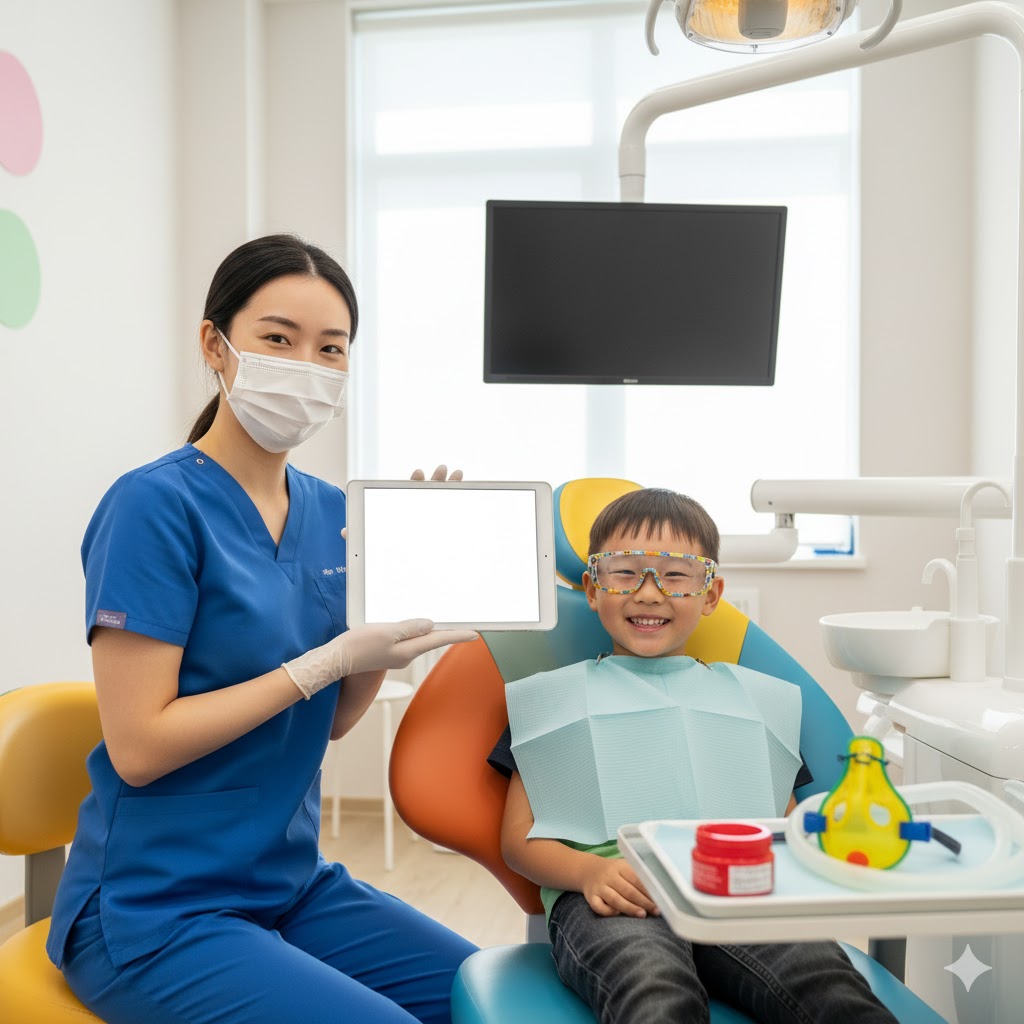
The goal at the OPC Clinic is to provide the child with a first experience that will never experience fear again. This requires resetting not only physiological pain but also psychological trauma. Before starting treatment, the clinic’s child-friendly architecture, play areas and positive reinforcement methods are actively used to gain the children’s trust.
Two Pillars of Painless Anesthesia: Digital and Inhalation
OPC Clinic’s advanced technological methods for painless dental treatment in children are grouped under two main headings:
2.1. Digital Anesthesia (Computer-Controlled Injection): No More Needle Trauma
Injection fear (trypophobia) is very common in children. Conventional anesthesia, when administered at high pressure, causes an immediate reaction due to a severe burning sensation. The Digital Anesthesia system radically solves this problem:
- Ultra-Slow Flow: The anesthetic solution is administered at a constant, very slow rate controlled by the microprocessor, without exceeding tissue absorption. This means the child does not feel a burning or pressure pain during the injection.
- Discreet Application: The device’s ergonomic pen-like design and thin tip eliminate the visual fear of large syringes. OPC pediatric dentists role-play the process by explaining this device to the child in a fairytale way (e.g., “With a magic wand, your tooth will fall asleep”).
- Maximum Safety: Computer-aided dosage control ensures the safest dose for pediatric patients and eliminates human error.
2.2. Conscious Sedation (Laughing Gas – Nitrous Oxide): The Melting Point of Anxiety
Some children may have difficulty cooperating even with Digital Anesthesia or may require multiple treatments in a single session. In these cases, Inhalational Sedation (Laughing Gas) is the ideal solution:
- Deep Relaxation, Clear Consciousness: The child inhales a sweet-smelling mixture of Oxygen and Nitrous Oxide (N2O/O2) through a nasal mask. This gas quickly relieves the child’s anxiety, relaxes them, and creates a mild “comfort/pleasure” state. However, the child is conscious, their eyes are open, and they can respond to the doctor’s commands.
- Amnesia Effect: Laughing gas causes a weakening of memory (amnesia) related to the treatment process. This prevents the child from registering the procedures as a negative memory.
- Instant Transition: When the treatment is completed, the gas is turned off, and the child breathes pure oxygen. The effects of the gas are completely eliminated from the body in just 3-5 minutes, and the child can immediately stand up and return to normal activity (no companion or waiting period required).
OPC Clinic Child Behavior Management: The Art of Building Trust
Suadiye and Kozyatağı OPC Clinic Pedodontists integrate painless anesthesia technologies with modern behavioral management techniques:
- Tell-Show-Do: Each procedure is explained using metaphors the child can understand, such as “magic putty, mini drill, tooth bugs.” The instruments are then shown (not touched) and finally applied. This eliminates the fear of the unknown.
- Voice Control (Voic)e Control): If the child exhibits negative behavior during treatment, the tone and volume of voice are changed to immediately draw attention and encourage positive behavior.
- Positive Reinforcement and Reward: Each harmonious session is crowned with verbal praise (You’re great! You’re so brave!) and the clinic’s special reward system (a small toy or certificate) at the end of the session.
Comparison of Comfort Protocols in Pediatric Dental Treatments
A comparison table showing the three basic comfort levels applied by OPC Clinic specifically for children:
| Comfort Level | Treatment Need | Methods Used | OPC Clinic Advantages |
| Level 1 (Routine/Minimal) | Examination, Fissure Sealant, Fluoride Application, Simple Fillings. | Behavior Management, Painless Topical Creams. | Positive experiences that don’t even require anesthesia. |
| Level 2 (Moderate/Severe Phobia) | Deep Fillings, Root Canal Treatment, Easy Extractions. | Digital Anesthesia AND Inhalational Sedation (Laughing Gas). | Child is conscious, no pain, the procedure doesn’t remember. |
| Level 3 (Multiple Procedures/Disability) | Multiple root canals/extractions, surgical procedures, severe phobia. | Treatment under general anesthesia (with an anesthesiologist). | All procedures are completed in a single session, 100% stress and pain-free. |
Advice for Parents: Don’t Postpone Treatment
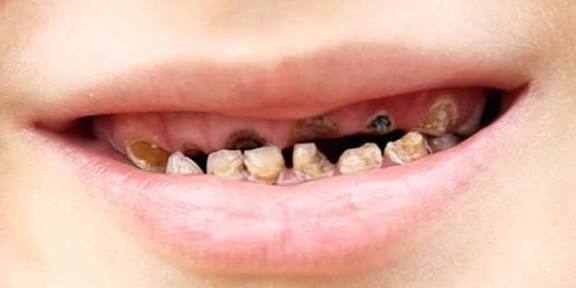
Postponing your child’s dental problems with excuses like “They’ll fall out anyway” or “I can’t take them because they’re scared” jeopardizes the health and alignment of the permanent teeth that emerge.
- The Importance of the First Visit: Plan your first dentist visit before any problems arise, around 6 months-1 year. This “Introduction Appointment” allows your child to experience the clinic and the dentist in a positive way.
- Positive Language at Home: Never use negative language about the dentist, such as “He’ll give you an injection, it’ll hurt.” The dentist should be presented as a “Dental Protector” or “Super Hero.”
OPC Clinic, offering services in Kozyatağı and Suadiye with its child-friendly atmosphere and expertise in Pedodontics, is ready to transform your child’s dental treatments from a “tunnel of fear” into a happy memory. With painless anesthesia and a caring approach, make the most comfortable investment in your child’s future oral health. Remember, a child who is happy in the dentist’s chair will have a healthy smile for a lifetime.