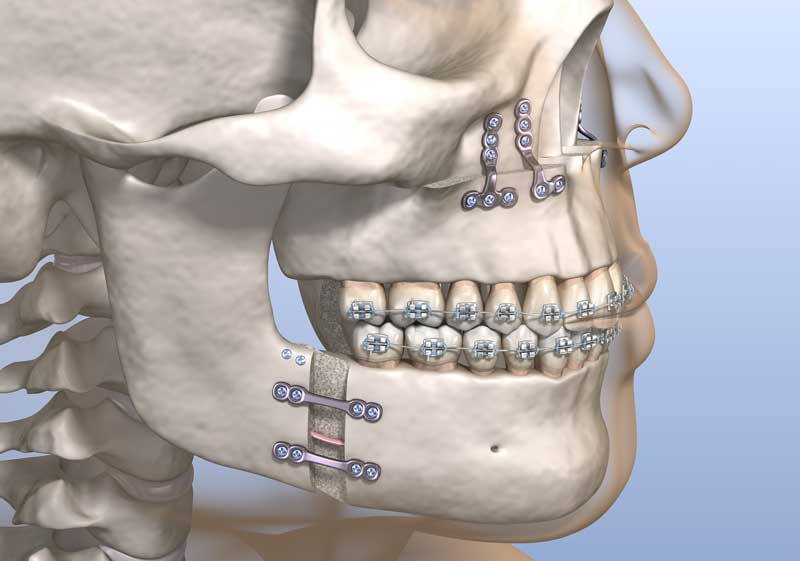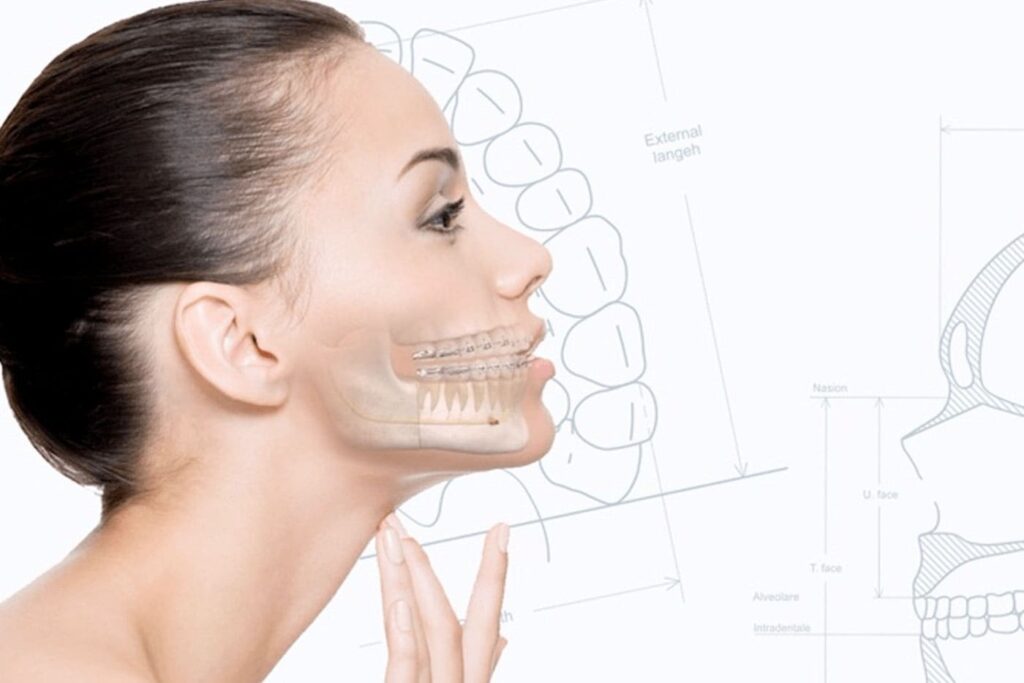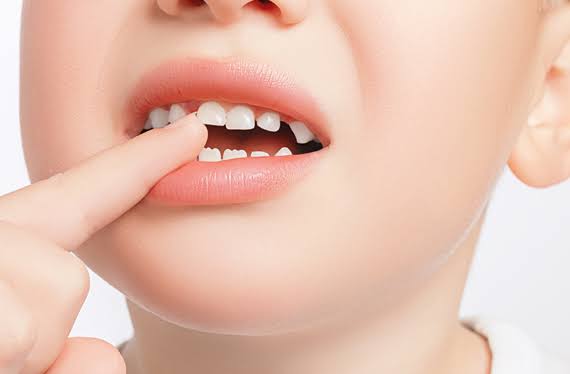
Oral and Maxillofacial Surgery encompasses complex and delicate procedures such as wisdom tooth extractions, dental implants, cyst or tumor operations, and advanced jaw surgeries. Due to the nature of these procedures, patients often anticipate a high level of anxiety and pain. However, in modern dentistry, particularly at advanced centers like the OPC Clinic in Kozyatağı and Suadiye, Istanbul, protocols are implemented to minimize this anxiety and pain.
The OPC Clinic’s philosophy of surgical comfort aims to minimize not only intraoperative pain but also psychological stress and the risk of postoperative swelling/trauma. This holistic approach is underpinned by Digital Anesthesia (Computer-Controlled Local Anesthesia) and, when necessary, Conscious Sedation.
This blog post will detail the painless anesthesia methods used in Oral and Maxillofacial Surgery, their advantages over traditional techniques, and OPC Clinic’s specialized surgical comfort protocols in this field.
Anatomy of Pain and Anxiety in Maxillofacial Surgery
Maxillofacial surgical procedures often require working on soft tissue and bone. This creates two primary concerns in patients:
- 1. Physical Pain Anxiety: Fear that the local anesthesia will be inadequate or that the needle itself will be too painful. Pain is especially expected during bone-based procedures such as wisdom tooth extraction and implant placement.
- 2. Psychological Trauma (Dental Phobia): Anxiety about remaining awake during the procedure, hearing sounds, and feeling what is being done. Prolonged surgical procedures increase this anxiety.
OPC Clinic’s Response: A Two-Stage Comfort Protocol
OPC Clinic supports surgical procedures with two main comfort protocols to address these two fundamental issues:
- Comfort in Local Anesthesia: Reducing the pain of the needle and post-drowsiness with Digital Anesthesia.
- Psychological Comfort: Completely eliminating surgical anxiety with sedation.
A Revolution in Local Anesthesia: Digital Anesthesia and Surgical Precision
While traditional local anesthesia is effective in numbing the area during the surgical procedure, it can cause significant pain during the injection and subsequent lip/cheek numbness. The Computer-Controlled Digital Anesthesia (The Wand/STA) systems used by OPC Clinic solve these problems with surgical precision.
a. Pre-Anesthesia Comfort:
OPC Clinic applies highly effective topical anesthetic gel to the area before injection. This eliminates the feeling of the needle even touching the mucosa (gum) surface.
b. Zero Pain During Injection:
The digital system delivers anesthetic fluid microprocessor-controlled, precisely matched to the rate of bone and tissue absorption.
- Pressure Control: Manual pressure, the primary source of pain, is eliminated. The patient may not even notice the fluid being injected.
- Targeted Anesthesia (TA): This makes the anesthesia administered to the nerve more precise and effective during procedures in sensitive areas, such as wisdom tooth extractions or implant surgery. Unnecessary tissue numbness (prolonged lip/cheek numbness) is minimized.
c. Post-Surgical Comfort:
Slow and controlled administration of the medication minimizes the risk of tissue swelling, tension, and edema. This helps the patient experience a more comfortable recovery after tooth extraction.
The Advantage of Sedation (Conscious Sedation) in Surgery
Oral and Maxillofacial Surgery involves procedures that can take a long time (especially quadruple wisdom tooth extractions or multiple implants). In such cases, Conscious Sedation is administered to completely eliminate the patient’s anxiety and allow the surgeon to work more comfortably.
Need-Based Sedation Options (OPC Clinic):
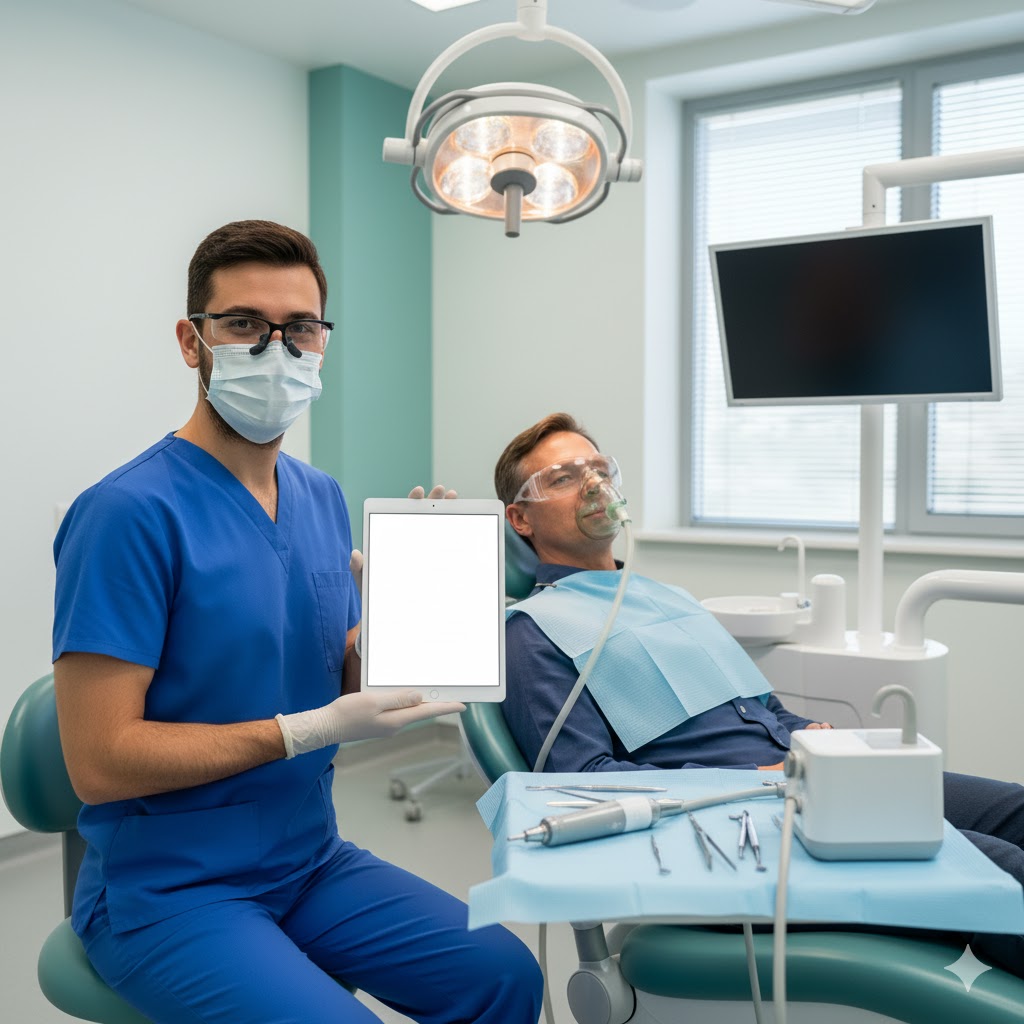
- Inhalational Sedation (Laughing Gas): This is used for patients with mild anxiety or for shorter surgical procedures (e.g., simple impacted tooth extractions) lasting 30-45 minutes. The patient is alert, responsive, and comfortable; the effects wear off immediately after the treatment is completed.
- Intravenous (IV) Sedation: This is used for patients with severe dental phobia, a strong gag reflex, or those requiring prolonged and complex surgery. The medication is administered intravenously under the supervision of an anesthesiologist. The patient is deeply relaxed, often without any recollection of the procedure, but can respond to simple commands from the surgeon. This is the most effective method for minimizing surgical trauma.
Comparison of Traditional and OPC Clinic Comfort Protocols in Surgical Procedures
Key differences between the surgical comfort protocols implemented by OPC Clinic in Kozyatağı and Suadiye:
| Surgical Experience Area | Traditional Surgery (Manual Anesthesia) | OPC Clinic Surgical Comfort Protocol |
| Injection Sensation | Intense pain, burning, and pressure sensations. | Zero Pain: Topical gel + Computer-Controlled Flow. |
| Surgical Anxiety (Phobia) | High anxiety, stress, and risk of panic during the procedure. | Zero Anxiety: Nitrous Oxide or IV Sedation (with an Anesthesiologist) as needed. |
| Unnecessary Numbness | Cheeks, lips, and tongue remain numb for hours; Speaking and eating become difficult. | Targeted Anesthesia: Numbness remains only in the surgical area. |
| Post-Surgery Comfort | The risk of swelling and bruising increases due to the medication administered at high pressure. | Thanks to the controlled injection, the risk of tissue trauma and swelling is minimal. |
OPC Clinic Global Standards in Jaw Surgery (Item by Item)
OPC Clinic adopts global standards for comfort and safety in surgical procedures:
- Multidisciplinary Approach: The simultaneous work of the Maxillofacial Surgeon (Oral Dentistry Specialist) and the Anesthesiologist, especially in procedures requiring IV sedation and general anesthesia It maximizes patient safety in complex cases.
- Minimally Invasive Surgical Techniques: State-of-the-art surgical instruments and minimally invasive techniques (such as Piezosurgery) shorten operating times and reduce tissue trauma. This directly accelerates recovery.
- Localization Advantage: At our clinic in Kozyatağı and Suadiye, Istanbul’s easily accessible districts, we offer the opportunity to have your surgical procedures performed in a tranquil and luxurious environment. Post-operative follow-up and check-ups are performed effortlessly thanks to our central location.
A Comfortable Experience, Not a Surgery
Oral and Maxillofacial Surgery is no longer a fearful procedure; it is a completely manageable, comfortable experience that improves your smile and health. Advanced methods like Digital Anesthesia and Conscious Sedation, offered by OPC Clinic in Kozyatağı and Suadiye, ensure that all procedures, from impacted wisdom teeth extractions to implant surgery, are painless, stress-free, and leave no negative memory traces.
Remember, even the most challenging surgical procedures can be performed flawlessly with the right expertise, advanced technology, and superior comfort protocols. Contact OPC Clinic to put your surgical concerns behind and receive treatment in safe hands.