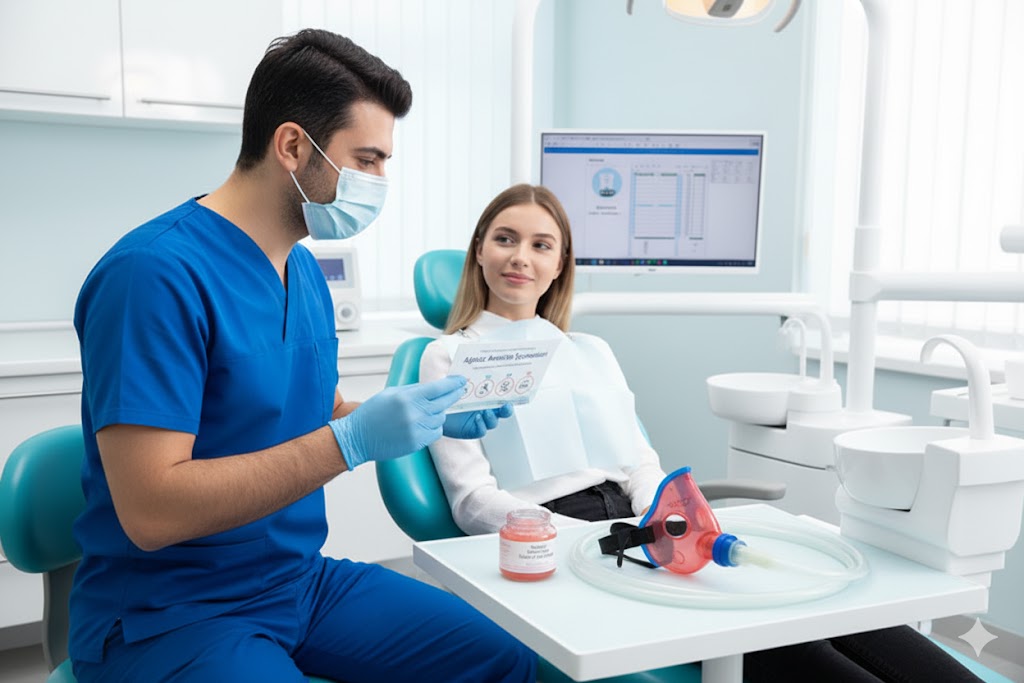
The most significant innovation that has fundamentally changed the dental chair experience is undoubtedly painless anesthesia methods. The needle pain felt during traditional local anesthesia and the burning/pressure sensation caused by the rapid injection of the medication into the tissue are the main sources of the fear called dental phobia. However, at the Kozyatağı OPC Clinic, this fear is merely a memory.
The OPC Clinic, one of Istanbul’s most modern dental clinics, combines up-to-date pain management strategies and advanced anesthesia techniques to maximize both physical and psychological comfort for its patients. In this article, we will examine in detail the types of painless anesthesia methods used in dentistry, the difference between Digital Anesthesia, Kozyatağı OPC Clinic’s primary choice, and the unique advantages it offers to patients.
The Philosophy of Painless Anesthesia: Eliminating the Cause
Painless anesthesia in dentistry is a holistic approach that focuses on understanding the mechanism of pain and preventing it, rather than simply concealing the needle. The pain experienced with local anesthesia stems from three primary factors:
- Needle Penetration (Sting): The sharp pain when the needle punctures the mucosa.
- Pressure Increase (Burning): The anesthetic solution is pushed into the tissue very quickly and with high pressure.
- Psychological Anxiety: The intense fear triggered by the sight of a traditional syringe.
The painless anesthesia protocols at the OPC Clinic aim to eliminate all three of these factors.
Main Painless Anesthesia Methods Used in Dentistry
Advanced painless anesthesia techniques used in dentistry vary depending on the patient’s needs and the scope of the treatment. At the OPC Clinic, one or more of these methods are applied in combination, aiming for maximum patient comfort:
A. Topical (Superficial) Anesthesia
- Definition: Before the anesthetic injection is administered, a highly concentrated numbing agent in gel or spray form is applied to the area where the needle will be inserted (the gum).
- Purpose: To completely eliminate the initial stinging sensation when the needle punctures the mucosa.
- The OPC Clinic Difference: This step is a mandatory preliminary step for all injection treatments at the Kozyatağı OPC Clinic and is used in conjunction with all other painless methods.
B. Digital Anesthesia (Computer-Controlled Local Anesthesia)
This is the most basic and advanced method of painless treatment at the Kozyatağı OPC Clinic. Digital anesthesia has set a new standard in local anesthesia practice.
- Technology: The anesthetic solution is administered using a computer-controlled, ergonomic (pen-shaped) device.
- Working Principle: The device injects the medication at an extremely slow and steady flow rate of just a few microliters per second, depending on tissue resistance. The pressure sensor in the device automatically slows the flow when it detects increased tissue pressure.
- Result: The burning and stinging sensation caused by the rapid pressure increase is completely eliminated. The patient may feel only mild pressure at the time of injection.
C. Sedation (Conscious Sedation)
Some patients’ anxiety may be very high, regardless of the pain of anesthesia. In these cases, painless anesthesia is combined with sedation.
- Nitrogen Oxide Sedation (Laughing Gas): It is a light gas mixture that the patient inhales.
- Purpose: The patient remains conscious, but a state of deep relaxation, apathy, and mild euphoria occurs. The patient’s fear and anxiety are eliminated, making the entire anesthesia and treatment process much easier to manage.
Digital Anesthesia: Why Is It the Main Solution at Kozyatağı OPC Clinic?
The main reasons why the use of Digital Anesthesia (systems like The Wand / STA) has become a standard at Kozyatağı OPC Clinic is that it eliminates the disadvantages of the traditional method:
| Feature | Traditional Manual Injection | OPC Clinic Digital Anesthesia | Advantage |
| Pain Source | Fast drug flow and high pressure. | Controlled, ultra-slow flow. | Burning sensation is near zero. |
| Sensitivity | Low, spreads over a wide area. | High, can focus on the target area only. | Lips and cheeks are not unnecessarily numb (STA Technique). |
| Dosage Control | Manual (depends on the physician’s dexterity). | Computer-controlled microdosing. | Safest, least amount of medication use. |
| Psychology | The sight of a syringe creates anxiety. | The pen-like ergonomic device reduces visual phobia. | A positive start to treatment. |
| After Effects | Lasts for hoursExtensive numbness. | Fast effect, quickly passing local numbness. | Uninterrupted return to daily life. |
Key Points of the Painless Anesthesia Protocol at the OPC Clinic
Painless anesthesia isn’t just a device; it’s a series of meticulous steps. At the Kadıköy/Kozyatağı location, the OPC Clinic manages this process with the following key strategies:
a. Single Tooth Anesthesia (STA)
Traditional anesthesia typically numbs a large portion or the entire jaw, leaving the lips and cheeks numb for hours. Digital systems at the OPC Clinic allow physicians to precisely apply anesthesia only to the nerve endings surrounding the tooth being treated.
- Benefits: The patient can talk and eat immediately after the procedure (with caution), and there is no undesirable side effects such as cheek biting. This comfort is especially critical for active individuals living in Kozyatağı who do not want to interrupt their work or social life.
b. Holistic Pain Management and Psychological Support
The specialist physicians at the OPC Clinic assess the patient’s anxiety level before treatment. For patients with high anxiety, additional methods such as soft music, distraction techniques, and, if necessary, low-dose sedation are used to help the patient relax mentally before anesthesia. The painless procedure aims to inject not only physical comfort but also mental comfort.
Who Is Painless Anesthesia Ideal For?
While painless anesthesia at the OPC Clinic can theoretically be applied to anyone, the following situations maximize its benefits:
- Adults with Needle Phobia (Trypophobia): Anyone who has a history of needle phobia or has postponed appointments.
- Pediatric Patients (Pedodontics): To prevent their first dental experience from being traumatic and to foster a positive attitude toward the dentist.
- Those Receiving Treatment During Pregnancy and Special Circumstances: Sensitive patient groups for whom stress and medication dosage should be kept to a minimum.
- Aesthetic Dentistry Patients: Those who want their lips and cheeks to remain numb during frontal dental treatments and who want to return to their social lives quickly.
Kozyatağı OPC The New Face of Dental Treatment with the Clinic
Painless anesthesia methods in dentistry have ushered in an era of treatment free of fear and pain. At Kozyatağı OPC Clinic, we offer our patients not only high-quality treatment but also an unparalleled comfort experience with advanced techniques like Digital Anesthesia, Topical Numbing, and Sedation.
Remember, a good dental experience begins not where the pain begins, but where comfort is the standard. Contact us to leave traditionally painful anesthesia experiences behind and begin a stress-free treatment process with the assurance of Kozyatağı OPC Clinic. Don’t delay your smile, because pain is no longer an option.