Kadıköy Root Canal Treatment: Biological Organ Preservation and Endodontic Micro-Engineering at OPC Clinic
Teeth, although covered by a hard and seemingly lifeless armor called enamel, are in essence highly vital and dynamic organs nourished by blood vessels, nerve networks, and connective tissue cells. Located at the very center of the tooth, this life chamber known as the “pulp” provides vitality, flexibility, and sensitivity to external stimuli. However, when bacteria infiltrate this protected chamber due to deep decay, repeated extensive restorations, or sudden trauma, an irreversible cellular destruction (inflammation) begins. In Kadıköy, the innovative healthcare hub of Istanbul, saving such critically affected teeth without tissue loss requires an advanced medical vision. In the field of Kadıköy root canal treatment, OPC Clinic goes beyond standard practices and structures this process not as a simple “nerve removal,” but as a complex “Endodontic Micro-Engineering” approach that prevents the amputation of one of the body’s original organs (the root).
In the past, it was often considered impossible to retain a tooth with infected pulp, and extraction was presented as the only solution. Today, modern endodontics (the science of root canal treatment) can cleanse the complex tunnel system within the tooth at a cellular level, allowing the tooth to remain connected to the jawbone as a passive yet functional structure for many years. The core philosophy of root canal treatment protocols at OPC Clinic is “Biological Organ Preservation.” Your natural tooth root is a unique structure that senses chewing forces through its flexible connections (periodontal ligament), sends pressure signals to your brain (proprioception), and perfectly supports the aesthetic gum contour. The advanced technological steps we apply to preserve this structure represent a highly precise journey into the microscopic world of dentistry.
The Endodontic Labyrinth: From Blind Intervention to Digital Navigation
The root canal system of a tooth is rarely a single straight tube. Instead, it is a complex labyrinth resembling tree roots, filled with lateral canals branching from the main canal, apical deltas, and microscopic pathways. In traditional root canal methods, only the main structure of this labyrinth could be estimated using two-dimensional X-rays, and procedures were performed manually. The modern infrastructure of OPC Clinic in Kadıköy has completely eliminated this “blind” approach. In complex cases with anatomical variations or previously failed treatments (retreatment), the internal structure of the tooth is mapped in millimetric sections using 3D Volumetric Tomography (CBCT).
Thanks to this digital navigation, our clinicians can identify invisible extra canals, root curvatures (dilacerations), and calcified (blocked) pathways before even starting the procedure. Based on this data, the canals are shaped using flexible Nickel-Titanium (Ni-Ti) rotary instrument systems. These advanced instruments follow the natural curvature of the root canal without weakening the tooth or causing unnecessary loss of structure (minimally invasive), removing infected dentin tissue with microscopic precision.
Biological Signals of Pulp Damage: When Is Intervention Necessary?
Infection in the inner tissue of the tooth does not always produce severe symptoms; sometimes it progresses silently and chronically. However, the following signals indicate that the pulp’s defense mechanism has collapsed and that endodontic intervention is inevitable:
- Spontaneous Night Pain: Severe throbbing pressure caused by increased blood flow to the head when lying down, intensifying within the closed pulp chamber.
- Prolonged Thermal Sensitivity: Persistent throbbing that continues for minutes even after the removal of hot or cold stimuli.
- Apical Fistula (Gum Boil): Formation of a drainage pathway resembling a pimple on the gum due to infection eroding the bone at the root apex.
Mechanical Shaping Alone Is Not Enough: 3D Irrigation Dynamics
One of the most revolutionary discoveries in endodontics is that the root canal system cannot be fully cleaned with mechanical instruments alone. Files can only contact approximately 60% of the canal walls. The only way to eliminate bacterial biofilm and toxins in microscopic recesses is through advanced chemical cleaning protocols known as “irrigation.” At OPC Clinic, immense importance is placed not only on physical shaping but also on biochemical purification (3D disinfection).
During the procedure, antibacterial and tissue-dissolving solutions are applied inside the canals. What sets our clinic apart is the activation of these solutions using ultrasonic cavitation devices. The solution, vibrated by high-frequency sound waves, creates micro-waves that penetrate even the finest lateral canals unreachable by instruments, destroying bacterial cell membranes and transforming the root canal into a sterile surgical environment. The secret to a successful and long-lasting root canal treatment lies in this silent yet flawless biochemical cleaning.
Bioceramic Sealing: A Perfect Seal at the Root Apex
After the canal system is completely disinfected, the final step is to permanently seal this sterile chamber from the external environment. If the canal space is not filled three-dimensionally and hermetically (obturation), new bacteria nourished by tissue fluids can reinfect the area. The final touch of our Kadıköy root canal treatment vision is the use of modern “bioceramic” sealers.
Unlike traditional sealers, bioceramic materials are hydrophilic and chemically bond to the natural dentin tubules of the tooth. With a crystal structure highly similar to the body’s own bone, these materials are not perceived as foreign by the tissue. On the contrary, they stimulate bone-forming cells (osteoblasts), promoting the regeneration of bone that has been lost due to infection at the root apex. At OPC Clinic, filling the canal is not just about sealing a space—it is an intelligent process that actively triggers biological healing.
Comparative Analysis of Clinical Protocols
To clearly demonstrate how differences in approach affect the longevity of the tooth, please review the comparative table below:
| Endodontic Step | Limitations of Traditional Approach | OPC Clinic Micro-Engineering Vision |
|---|---|---|
| Diagnosis & Root Mapping | Two-dimensional X-rays (misleading anatomical overlaps). | 3D CBCT-based millimetric mapping and strategic planning in complex cases. |
| Canal Shaping | Rigid stainless-steel hand files (risk of ledging in curved canals). | Flexible, minimally invasive Ni-Ti rotary systems adapting to anatomy. |
| Disinfection | Surface-level irrigation with manual syringes. | Ultrasonically activated solutions penetrating micro-tubules and lateral canals. |
| Obturation | Sealants that dissolve over time and do not bond chemically. | Bioactive ceramic materials bonding to dentin and stimulating healing. |
Protect Your Natural Roots
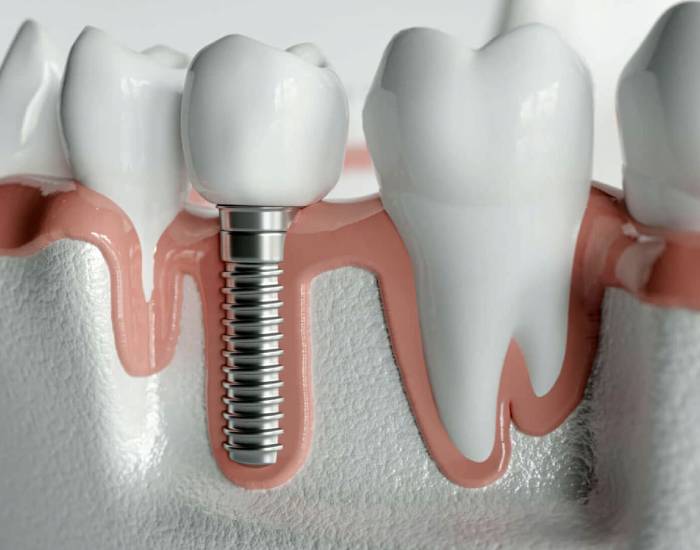
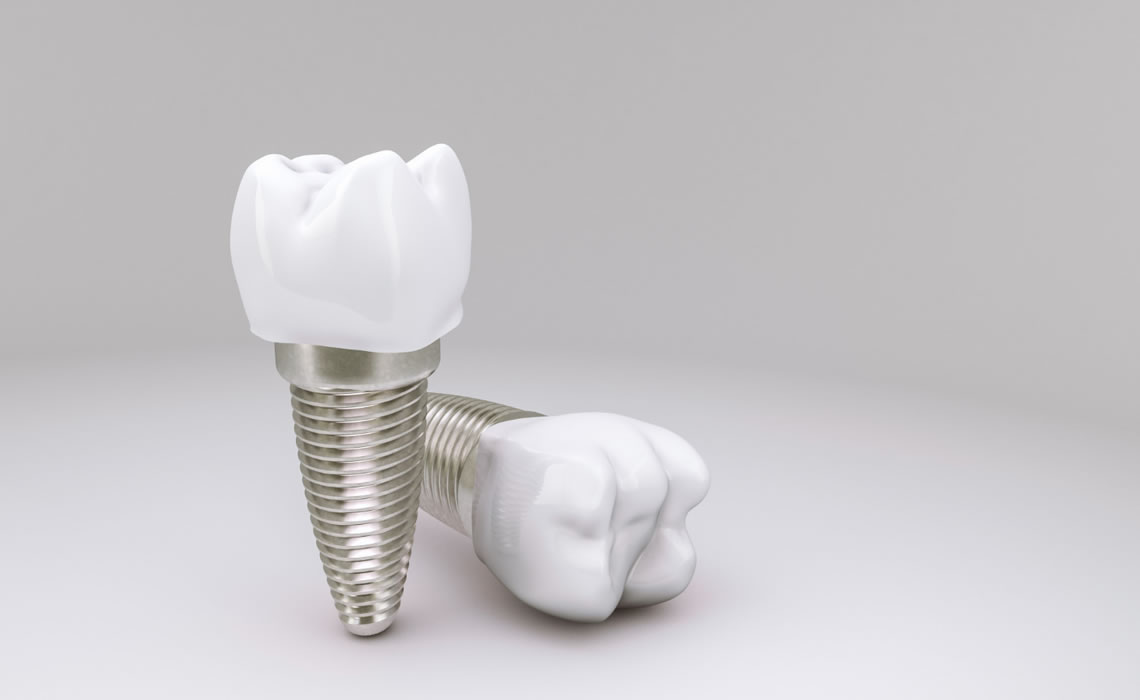
In dentistry, the most successful treatment is the one that restores the body’s own tissue rather than replacing it. While implants are highly reliable, the natural connection of your own tooth root cannot be fully replicated by any artificial structure. OPC Clinic mobilizes all its digital, biochemical, and microscopic capabilities to preserve your natural tooth.
Leave behind outdated fears about root canal treatment. With advanced isolation techniques and powerful anesthesia, the entire procedure is performed in complete comfort. Preserve your biological heritage—your natural tooth is your most valuable investment.