Dental Implants in Kadıköy
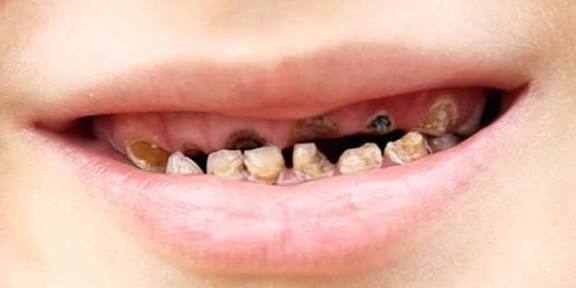
Tooth loss is not only an aesthetic concern but also a serious health problem that disrupts the start of the digestive system, threatens temporomandibular joint (TMJ) health, and leads to jawbone resorption. Unlike traditional bridges and removable dentures, dental implants are the only treatment method that mimics and preserves the jawbone, offering the closest chewing performance to natural teeth. **Kadıköy**, the healthcare hub on the Anatolian side of Istanbul, is a significant center for implantology, boasting highly equipped dental clinics and dentists with academic careers across a wide area stretching from Bağdat Street to Fenerbahçe, and from Kozyatağı to Moda. Implant treatment approaches in Kadıköy represent a holistic medical discipline that goes beyond simply placing the screw into the bone; it also aims to manage the patient’s systemic health (diabetes, hypertension, etc.), preserve bone volume, and ensure long-term prosthetic success.
1. Biological Foundations of Dental Implants and Osseointegration
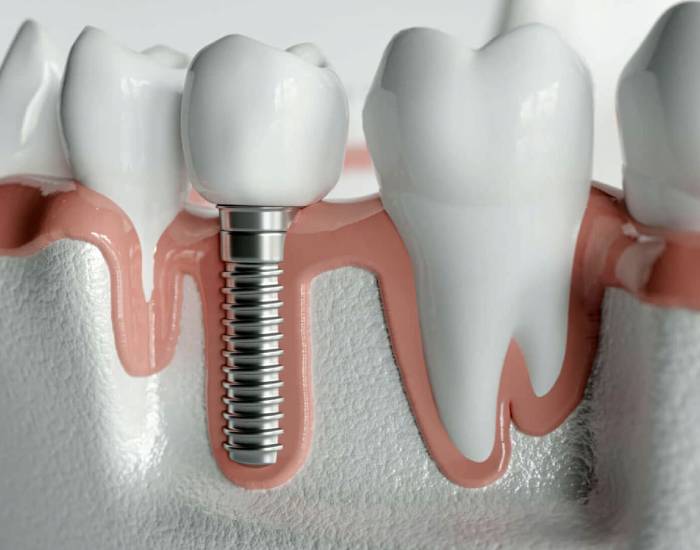
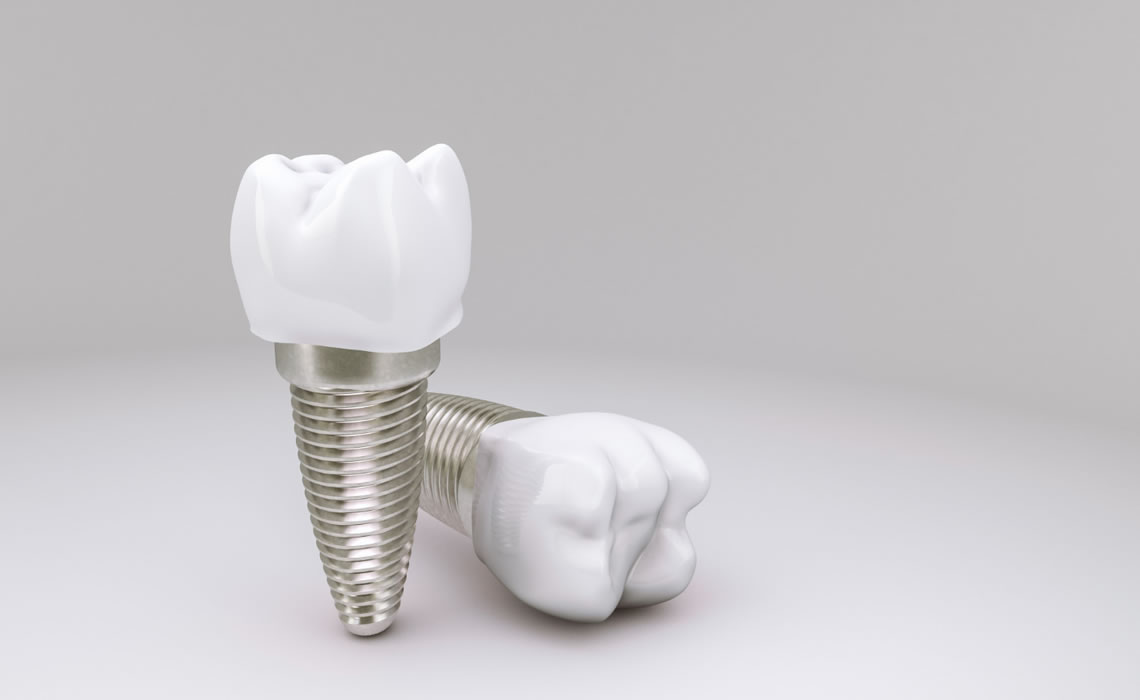
In its simplest definition, a dental implant is an artificial root made from biocompatible materials (usually titanium or zirconium) that mimics a lost tooth root. However, the real miracle that transforms this screw into a tooth is the biological process called “osseointegration.”
Osseointegration is the structural and functional fusion that occurs at the microscopic level between living bone tissue and the implant surface. When the implant is placed in the jawbone, the body does not perceive and reject this material as a foreign body (tissue rejection does not occur); on the contrary, bone cells (osteoblasts) attach to the threads of the implant and ossify. The implant brands used in modern clinics in Kadıköy are FDA and CE approved products with improved surface properties (SLA, Hydrophilic surfaces) that accelerate the osseointegration process and increase the success rate. For a successful implant treatment, the quality of the material used and the patient’s bone healing potential are as crucial as the perfection of the surgical technique.
2. Suitability for Treatment and Patient Evaluation
Not every patient with missing teeth may be a suitable candidate for implant treatment. The treatment decision is made after a detailed clinical and radiological examination (3D CT scan).
Bone Volume and Quality: Sufficient height and thickness of jawbone are required for implant placement. Prolonged edentulism can lead to bone resorption. In this case, advanced surgical techniques come into play.
Systemic Diseases: In patients with uncontrolled diabetes, implant success may decrease due to healing problems and the risk of infection. However, it can be safely applied in patients whose HbA1c value is under control. In patients with heart disease, a cardiologist consultation is mandatory.
Smoking: Smoking is the most important risk factor negatively affecting osseointegration by disrupting blood circulation (microcirculation). Specialist physicians in Kadıköy strongly recommend quitting or reducing smoking before and after the operation. 3. Advanced Surgical Techniques: Sinus Lifting and Bone Grafting
One of the most important features of implantology clinics in Kadıköy is their expertise in advanced surgical techniques applied in cases of bone deficiency. Modern solutions are available for many patients who are told, “I have no bone, implants cannot be placed.”
Sinus Lifting: This is a surgical procedure to lift the sagging sinus cavity in the posterior region of the upper jaw, caused by tooth extraction, and fill the resulting space with bone graft. This provides sufficient vertical bone size for implant placement.
Bone Grafting (Bone Powder): In areas where the bone is thin, bone volume is increased using bone powder from the patient’s own bone (autogenous), human-derived (allogeneic), or bovine-derived (xenograft) sources.
All-on-Four / All-on-Six: This technique involves placing 4 or 6 implants at specific angles in patients with complete edentulism, and a fixed temporary prosthesis is made on the same day. This method offers the possibility of fixed teeth without the need for advanced surgeries like sinus lifting.
4. Implant vs. Traditional Bridge: Comparative Analysis
The most common dilemma faced by patients with single tooth loss is whether to choose an implant or a bridge. The table below compares these two treatment methods from a medical and functional perspective.
provides.
| Features | Traditional Bridge Prosthesis | Dental Implant Treatment |
|---|---|---|
| Adjacent Teeth | Healthy adjacent teeth need to be cut. | Adjacent teeth are not touched, they are protected. |
| Bone Protection | Bone loss continues in the area of the extracted tooth. | Stops and protects against bone loss. |
| Chewing Power | Lower than a natural tooth. | The closest chewing power to a natural tooth. |
| Cleaning/Hygiene | Cleaning the underside of the body is difficult; there is a risk of decay. | Brushed like natural teeth, dental floss is used. |
| Cost | It is more economical in the initial stages. | The initial cost is high, but it is a lifelong investment. |
5. Operation Process and Recovery Stages
Kadıköy dental implant procedures are a treatment protocol that is planned step by step and should not be rushed.
- Surgical Stage: Under local anesthesia, the implant is placed in the bone by opening the gum or using a flapless method. The procedure time varies between 15 minutes and 2 hours depending on the number of implants. The patient does not feel pain during the procedure.
- Healing (Osseointegration): It takes 2-3 months for the implant to fuse with the bone in the lower jaw and 3-4 months in the upper jaw. If bone graft material is used, this period can be extended up to 6 months.
- Healing Cap: Once bone integration is complete, a small cap is placed on the implant to shape the gum.
- Prosthetic Phase: Porcelain or zirconium teeth, prepared in the laboratory based on impressions, are fixed onto the implant.
6. Post-Implant Care and Peri-implantitis Risk
Implants do not decay, but a condition called “Peri-implantitis,” which is inflammation of the gum and bone around the implant, can occur. This is usually caused by inadequate oral hygiene.
Patients undergoing implant treatment require more meticulous care than they would their natural teeth. In addition to brushing, flossing, interdental brushes, and oral irrigators are essential. Furthermore, dentists in Kadıköy recommend that implant patients come for regular check-ups every 6 months and have their bone level monitored with panoramic X-rays. A well-cared-for implant can last a lifetime; however, if neglected, it can be lost just like a natural tooth.
Conclusion: A Safe and Scientific Approach in Kadıköy
In conclusion, dental implant applications in Kadıköy are a serious treatment process that combines aesthetics and function with biological compatibility, directly improving quality of life. Without the need for taboo words, commercial promises, or unscientific methods; implants performed with accurate diagnosis, quality materials, and expert surgery are the healthiest solution to replace lost teeth. Kadıköy continues to be a reliable center for oral and dental health with its competent healthcare professionals in this field.