Pregnancy is both an exciting and sensitive period for expectant mothers. Dental problems that arise during this period have the potential to affect both the mother’s comfort and the baby’s health. Mothers are justifiably concerned about whether any medication or method used during dental treatment could harm the baby.
The OPC Clinic, serving the Kozyatağı and Suadiye districts of Istanbul, manages dental treatments during pregnancy in collaboration with gynecologists and obstetricians, adhering to the principles of maximum safety and zero stress. At the heart of this approach is the Painless Anesthesia (Digital Anesthesia) system, which makes local anesthesia safer.
In this article, we examine in detail the safety of painless anesthesia during pregnancy, when it is used, and the OPC Clinic’s meticulous protocols.
Dental Treatment and Anesthesia Safety During Pregnancy: Scientific Facts
Dental treatment during pregnancy is generally considered the safest period during the second trimester (between weeks 13 and 27). The use of local anesthesia is considered safe for both mother and baby in modern dentistry.
a. Local Anesthetic Drugs and Pregnancy Category
Anesthetic drugs used in painless anesthesia (usually lidocaine derivatives) are Category B drugs (considered safe in humans) that have been used for many years in pregnancy.
- Transfer to the Baby: The amount of local anesthetics that pass into the body’s circulation, and therefore into the placenta, is very low. The stress and risk of infection spreading from an untreated dental infection (abscess, severe pain) to the mother is much higher than the risk of minimally invasive local anesthesia.
b. Additional Safety of Painless Anesthesia for Pregnant Women
Digital Anesthesia (Computer-Assisted System) provides an extra layer of safety and comfort for pregnant women thanks to the application technique, rather than the medication itself:
- Preventing Stress: Traditional anesthesia can cause high stress and anxiety in the mother due to the pain of the injection. Stress can negatively affect the baby due to the hormones released in the body. Painless anesthesia minimizes maternal stress because the needle pain is eliminated.
- Precise Dose Control: A computer delivers the anesthetic solution to the target area in a micro-controlled manner. This ensures the lowest necessary dose is used. The smaller and more targeted the dose, the less likely it is to penetrate the system and reach the baby.
Pregnancy Treatment Protocol at the OPC Clinic
Suadiye and Kozyatağı OPC Clinic implements the following multi-stage safety protocol for its pregnant patients:
| Pregnancy | Treatment Approach | Use of Anesthesia |
| 1st Trimester (First 3 Months) | Organ development period. All non-urgent procedures are postponed. Only temporary solutions to relieve pain and infection are applied. | In urgent emergencies, minimum dose digital anesthesia is used with the approval of the gynecologist. |
| 2nd Trimester (The Most Ideal Period) | Routine treatments (fillings, root canal treatment, tooth extraction, and scaling) can be performed safely. The expectant mother’s physical comfort is high. | Digital anesthesia (painless) is applied at the lowest dose and in the least stressful way. |
| 3rd Trimester (Last 3 Months) | Long periods of supine positioning may impair the mother’s comfort. Non-urgent procedures are postponed. Long sessions are avoided due to the risk of premature labor. | In emergencies, digital anesthesia is also preferred; Special attention is paid to the mother’s position during treatment. |
Special Drug Selection Warning
When administering anesthesia during pregnancy, not only technique but also drug selection is critical. At OPC Clinic, we are particularly sensitive to this issue:
- Anesthetics Containing Epinephrine (Adrenaline): Epinephrine, used to prolong the duration of numbing in healthy patients, can increase blood pressure by constricting blood vessels. It is essential to avoid high-dose epinephrine-containing anesthesia during pregnancy. Our physicians prefer pregnancy-approved local anesthetics that do not contain epinephrine or contain very low doses.
- Avoiding Those Containing Felypressin: Some anesthetics contain felypressin, which can trigger uterine contractions. These types of anesthetics are absolutely not used at the OPC Clinic.
Comfort Replaces Fear: The Suadiye OPC Clinic Difference
Painless anesthesia allows you to safely undergo necessary dental treatments during pregnancy, rather than postponing them. The experience offered by the Suadiye and Kozyatağı OPC Clinic is specifically designed for this sensitive period:
a. Psychological SafetyHealth and Stress Management
- Cooperation: Approval from the patient and the obstetrician is obtained before starting treatment. The entire process is based on informing the mother and ensuring her comfort.
- Minimal Clinical Environment Stress: The pen-shaped Digital Anesthesia device eliminates the visual anxiety of a traditional needle.
b. Physical Comfort and Positioning
- Avoiding Prolonged Lying: Especially during the third trimester, prolonged lying on the back can put pressure on a major vein, increasing the risk of “Supine Hypotensive Syndrome.” At the OPC Clinic, for lengthy procedures, the patient is placed in a semi-fowler position, slightly tilted to the left side, and frequent breaks are taken to ensure the mother’s comfort.
Dental Treatment During Pregnancy Is a Priority, Not a Delay
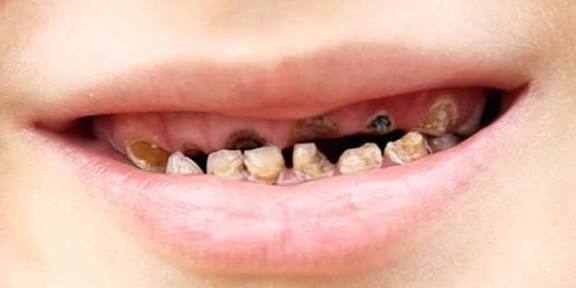
Dental infections during pregnancy can have serious consequences, even increasing the risk of premature birth. Therefore, delaying necessary dental treatment poses a greater risk to the health of both mother and baby.
OPC Clinic offers the safest form of local anesthesia known, using Painless Anesthesia technology. Thanks to computer-controlled, precise dosing, pregnancy-approved medication selection, and coordinated protocols with our obstetrician-gynecologist, expectant mothers can enjoy a stress-free and comfortable treatment process at our Suadiye and Kozyatağı clinics.
If you are pregnant and need dental treatment, stop worrying and take the first step to create the safest treatment plan for you and your baby by contacting OPC Clinic.