Orthognathic surgery, commonly known as jaw surgery, is an advanced maxillofacial surgical procedure that not only addresses aesthetic concerns but also permanently improves vital functions such as chewing, speaking, and breathing. This significant procedure, which restores facial harmony by correcting skeletal discrepancies between the upper and lower jaws, is a milestone that fundamentally changes the quality of life for many patients. However, as with any major surgical procedure, orthognathic surgery carries certain risks and a meticulous preparation process.
At OPC Clinic, at our center in Kadıköy, Istanbul, our core mission is to address all our patients’ concerns about orthognathic surgery and to manage the process with the utmost transparency. This comprehensive guide details the answer to the question, “Is orthognathic surgery risky?”, the most critical information you need to know before surgery, and OPC Clinic‘s professional approach in this field.
I. Orthognathic Surgery: Understanding and Managing Risks
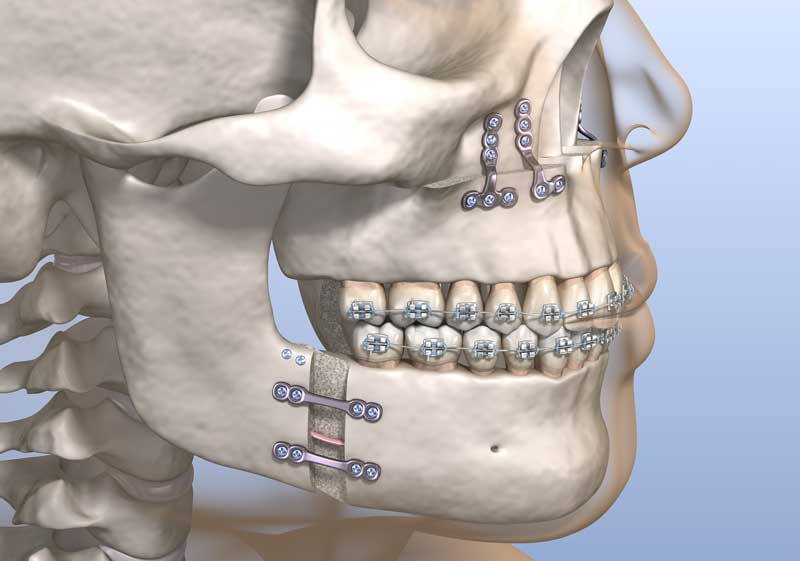
Orthognathic surgery is a major operation in which the jawbones are cut (osteotomized) into their ideal positions and fixed with titanium plates and screws. Such a comprehensive procedure naturally carries certain risks; however, modern surgical techniques, three-dimensional virtual planning, and the collaboration of an experienced surgeon-orthodontist team minimize these risks.
A. General Surgery Risks
These risks are not specific to orthognathic surgery; they can occur with any major surgery performed under general anesthesia. At OPC Clinic, our anesthesiologists and surgical team implement the highest-level protocols to anticipate and manage these risks.
- Anesthesia Complications: Rare reactions to general anesthesia.
- Bleeding and Infection: Possibility of bleeding or infection after surgery.
- Blood Clot Formation (Thrombosis): Risk of clot formation, especially in the legs.
B. Specific Risks Specific to Orthognathic Surgery
Moving the jawbones can affect the nerves and vascular structures in the area. These risks depend on the complexity of the surgery (single or double chin) and the patient’s anatomy.
- Nerve Damage and Loss of Sensation (Numbness):
- The most common specific risk is temporary damage to the nerves that supply sensation to the lower lip and chin. Nerves may be stretched or slightly injured during surgery.
- Temporary Numbness: The majority of patients experience temporary numbness (loss of sensation) in the lower lip and chin area after surgery. This usually resolves within a few weeks to a few months.
- Permanent Numbness: This is extremely rare (approximately 1-2% in the literature), but permanent loss of sensation can occur in cases of severe nerve damage. The precision surgical instruments and 3D planning used at the OPC Clinic ensure maximum avoidance of nerve pathways.
- Malocclusion (Recurrence of Malocclusion):
- The risk of the jawbones not being permanently in their new position or of the bite not being fully adjusted due to failure of post-surgical orthodontic treatment.
- Solution: OPC Clinic‘s greatest strength is the uninterrupted and meticulous collaboration between the surgeon and orthodontist before, during, and after surgery. Postoperative elastics and ongoing orthodontic treatment minimize this risk.
- Temporomandibular Joint Problems (TMJ):
- Pain or functional impairments in the jaw joint (Temporomandibular Joint – TMJ) may rarely develop after surgery.
- However: Most often, orthognathic surgery helps improve or reduce existing TMJ problems.
Surgical Risk Assessment Table
The following table summarizes the main risks of orthognathic surgery and the management approaches at the OPC Clinic:
| Risk Category | Description | Expected Situation (OPC Clinical) | Risk Management |
| Loss of Sensation (Numbness) | Affects the nerves in the lower lip and chin area. | Usually temporary (a few weeks/months). The probability of permanent fractures is very low (<2%). | Virtual Surgical Planning, Nerve Protection with Piezo Surgery. |
| Bleeding/Infection | Bleeding or infection development in the surgical site. | The risk of infection is reduced with the antibiotic profile. | Sterile surgical environment, postoperative follow-up, and antibiotic treatment. |
| Malbite | Incomplete fixation of the jaws in the new position. | Minimized by the full coordination of orthodontics and surgical planning. | The surgeon-orthodontist team working together to ensure postoperative elasticic use. |
| Relapse | The tendency for the jaws to return to their previous position over time. | Prevented by proper surgical technique and long-term orthodontic follow-up. | Sturdy fixation with titanium plates and screws, retention phase. |
II. The Most Critical Steps You Need to Know Before Surgery
The success of orthognathic surgery depends more on the preoperative preparation and planning process than on the surgery itself. This process requires meticulous teamwork at the OPC Clinic.
A. Orthodontic Preparation (Prep-Surgical Orthodontics)
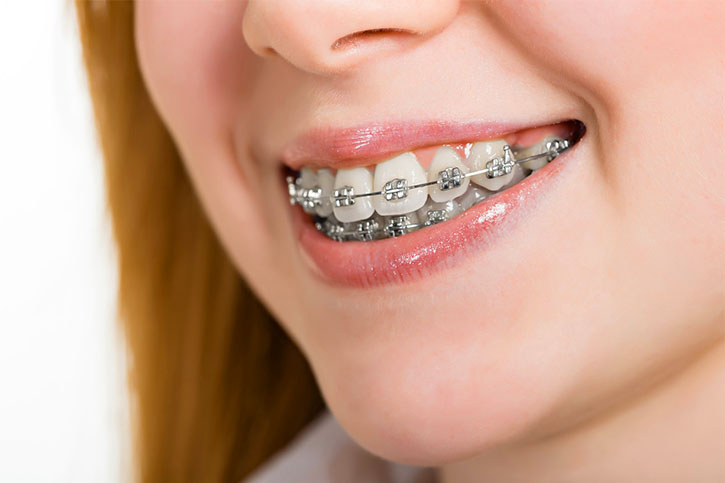
Orthognathic surgery begins with an orthodontic treatment phase, which typically lasts 1 to 2 years. The goal of this phase is to move the teeth into their proper positions on the jawbone, ensuring a complete and ideal closure when the bones are moved into the correct position during surgery.
- Misconception: Patients should be informed that their teeth may appear worse for a while after braces are placed, or that the bite may become even more distorted. This is a natural part of preparing the teeth for the jawbone and resolves quickly following surgery.
B. Virtual Surgical Planning and 3D Simulation
At OPC Clinic, we utilize the latest technologies in surgical planning. This is the key to the success of the surgery.
- CT Scans and Cephalometric Analysis: Detailed 3D images of the patient’s facial bones are taken.
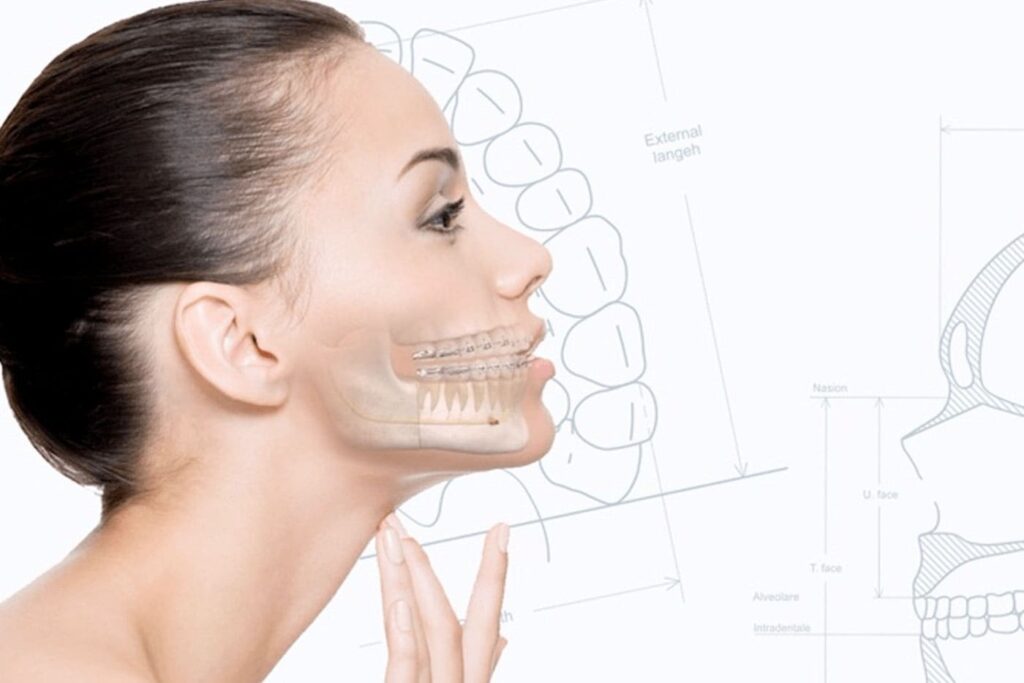
- V.S.O. (Virtual Surgical Planning): Our surgeons simulate the movement of the jaws in a computer environment and determine the new position with millimeter precision. This planning makes the outcome of the surgery predictable, and the patient can be shown a simulated postoperative facial appearance. This allows the patient to realistically base their aesthetic and functional expectations.
C. Lifestyle Changes and Medical Preparation
Optimizing your general health before surgery both reduces risks and accelerates the recovery process.
- Smoking and Alcohol: Smoking and alcohol consumption should be stopped at least 2 weeks (preferably longer) before surgery. These substances negatively affect wound healing and increase the risk of infection.
- Medication Use: Aspirin, blood thinners, and some herbal supplements should be discontinued under the supervision of a doctor before surgery.
- Blood Tests and Medical Approval: All routine blood tests required for general anesthesia, and if necessary, medical approvals from departments such as internal medicine and cardiology, must be obtained.
III. Recovery Process: A Comfortable Yet Disciplined Period
The post-operative recovery process is as important for patients as it is for the risks of surgery. At OPC Clinic, we provide all the support necessary to ensure our patients get through this period with the most comfort.
- Initial Recovery (Hospital Stay): The patient will generally stay in the hospital for 1-2 days after the surgery, which is usually performed under general anesthesia.
- Swelling and Bruising: Significant facial swelling and bruising are expected after surgery. This will peak in the first 48-72 hours and then begin to subside rapidly. The application of cold compresses supports this process.
- Diet: As the jaws are fixed in their new position, only liquids and purees are required for the first 2-4 weeks. Adherence to this dietary restriction is critical to the continued success of the surgery.
- Full Recovery: It typically takes 9 to 12 months for the bones to fully heal and achieve final stability. Throughout this process, the completion phase of orthodontic treatment continues.
Orthognathic surgery is a treatment with manageable risks and life-changing results. The experienced surgeon and orthodontist team at the OPC Clinic uses modern technology and personalized planning to ensure our patients achieve the ideal results, both functionally and aesthetically. Remember, proper information and preparation are the first step to a successful surgical journey.