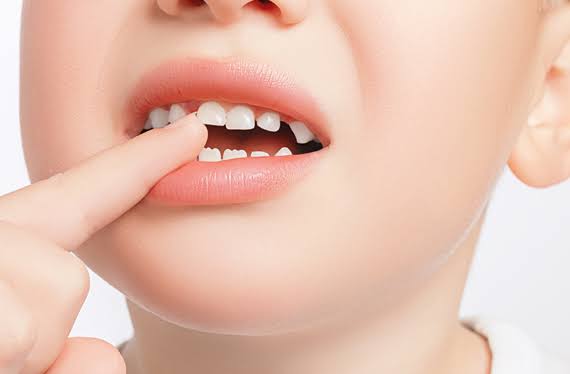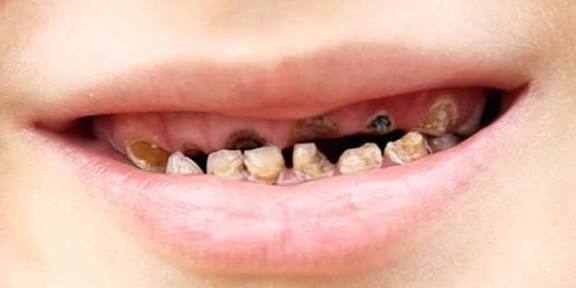
From infancy to early childhood, the 0-3 age period, is the most rapid growth and development phase in a child’s life. The foundations for oral and dental health are laid during this period; habits, whether acquired or not, directly impact the child’s entire dentition and overall health. Baby Bottle Tooth Decay (Early Childhood Tooth Decay), the most common problem in this age group, is completely preventable and can be prevented with a conscious parental approach.
As the Private OPC Clinic Oral and Dental Health Clinic, located in the central and easily accessible Kozyatağı neighborhood of Kadıköy, Istanbul, our pediatric dentists offer a scientific, practical, and holistic approach to protecting the oral health of children aged 0-3. Our location, close to Kadıköy’s central districts, makes it easy for parents to come to regular checkups with their babies. Early intervention and proper parental education are the core mission of our clinic for patients of this age group.
The Importance of the First Visit at the OPC Clinic: The Foundation of Preventive Dentistry
Preventive dentistry includes critical steps taken to prevent cavities in the 0-3 age group. Taking the right steps during this period can prevent future treatments.
A. When Should the First Checkup Be Held?
The World Health Organization and pediatric dentistry experts recommend that the first dental checkup should occur after the first primary tooth begins to erupt (approximately 6 months), or at the latest before the child reaches 1 year of age. The purpose of this first appointment at the Kadıköy OPC Clinic:
- Risk Assessment: The child’s eating habits, genetic predisposition, and oral hygiene routine are analyzed to determine the level of caries risk.
- Parent Education: The dentist provides personalized guidance to parents on age-appropriate nutrition, pacifier and bottle use, thumb-sucking habits, and proper cleaning techniques.
- Dental Development Monitoring: The order and timing of eruption of the first teeth are checked, allowing for early detection of rare developmental anomalies.
The Advantage of B. Kadıköy Location
Our clinic’s central location on Şemsettin Günaltay Street, Kozyatağı makes frequent checkups, especially during the first year of life (every 3 to 6 months, depending on the risk group), practical. Easy access for parents increases motivation to maintain regular follow-up.
Critical Prevention Steps for Ages 0-3 and Protecting Your Baby from Baby Bottle Tooth Decay
The two most vital ways to protect dental health in this age group are proper oral hygiene and healthy eating habits.
A. Step-by-Step Oral Hygiene Routine
| Age Range | Cleaning Method | Toothpaste Amount (For Fluoride Paste) |
| 0-6 Months (Edentulous Stage) | Gently wipe the gums with a clean, damp cloth or gauze after each feeding. | Fluoride paste is not used. |
| 6 Months – 2 Years (First Teeth) | Fingerbrush or a soft, small-headed baby toothbrush used. | About the size of a grain of rice. |
| 2 Years – 3 Years (Back Teeth Eruption) | Brushing is done in circular motions with a child’s toothbrush under parental supervision. | About the size of a pea. |
- Brushing Frequency: Teeth should be brushed at least twice a day, after breakfast and especially before bedtime. Nighttime brushing is most critical to prevent cavities due to decreased saliva flow during sleep.
B. Secrets to Preventing Baby Bottle Tooth Decay
Baby bottle tooth decay is a common and destructive type of tooth decay caused by prolonged exposure to sugary liquids (milk, fruit juice, honey water). OPC Clinical Pedodontists offer these critical tips to prevent this condition:
- Nighttime Feeding Management: Do not let your baby sleep with a bottle or breast milk in their mouth. If nighttime feeding is necessary, sugar residue should be removed from the mouth by giving a small amount of plain water or wiping the teeth with a wet cloth after feeding.
- Pacifier Use: Honey, molasses, or any other sweetener should not be applied to pacifiers.
- Transition from Bottle to Cup: Children should be encouraged to drink from a cup before reaching the age of 1, and bottle use should be discontinued completely around 12-14 months.
Preventive Treatment Practices from the OPC Clinic
If children aged 0-3 are identified as being at high risk for caries or if they have early caries, our pediatric dentists will implement preventive treatments.
- Topical Fluoride Application: Dentist-applied fluoride varnish strengthens tooth enamel and makes teeth more resistant to acid attacks. This simple and quick treatment is recommended.Quick treatment significantly increases protection, regardless of the child’s good oral hygiene. At the OPC Clinic, fluoride application is repeated at regular intervals (usually every 3 or 6 months) depending on the child’s age and caries risk.
- Nutrition Counseling: Parents’ food diaries are reviewed, and detailed adjustments are made to reduce the risk of caries, particularly regarding sugary snacks and acidic beverages between meals.
Important Warnings and Follow-up Table
There are certain habits and conditions that should not be ignored in early childhood, which can predispose to caries and negatively affect jaw development.
Risk Factors Affecting Teeth in Child Development
- Nighttime Bottle Feeding: Sleeping with sugary or milky liquids during sleep.
- Tooth-to-Tooth Transmission: A parent puts a child’s spoon or pacifier in their own mouth to clean it (caries-causing bacteria can be transmitted to the child in this way).
- Inadequate Brushing: A parent skips brushing or does not brush effectively enough.
| Age Group | Focus at the OPC Clinic | Parental Responsibility |
| 6-12 Month | Follow-up monitoring of first tooth eruption, risk assessment. | Cleaning with a wet cloth after feeding, preparing to give up the bottle. |
| 12-24 Months | Screening for baby bottle tooth decay, screening for bad habits (thumb sucking). | Brushing twice a day with rice grain paste, eliminating night feedings. |
| 2-3 Years | Periodic fluoride application (according to risk group), checking for filling needs. | Effective brushing twice a day with pea-sized paste, encouraging the use of cups. |