Tooth decay is the primary cause of a number of oral and dental health problems experienced by everyone, from children to adults. Tooth decay is more common in people who do not practice proper oral hygiene.
You may have brushed your teeth regularly but failed to adequately remove the residue left between your teeth. Over time, inadequately cleaned dental debris left between your teeth and in your mouth leads to bacterial growth. This can lead to both bad breath and cavities. In this case, you should consult your dentist without delay for tooth decay treatment.
One of the most important causes of tooth decay is not brushing your teeth regularly. Use dental floss. If you neglect to do so and consume too much sugary food, you may experience oral and dental health problems.
Not taking adequate care of your teeth isn’t the only cause of tooth decay. Tooth fractures resulting from insufficient protein intake during pregnancy, accidents, or falls also cause cavities. The primary cause of cavities is damage to the outer layer, allowing bacteria to penetrate deeper into the cavity.
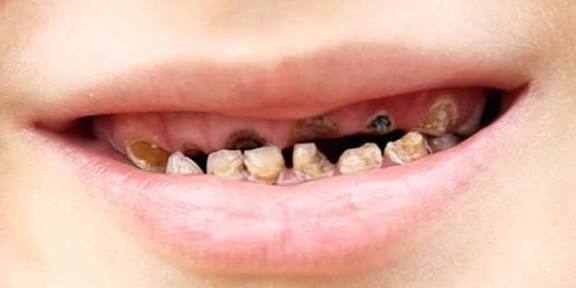
How does tooth decay occur? Tooth decay initially presents with small damage. Untreated cavities can cause toothaches. As decay progresses, the healthy structure of the tooth deteriorates, and cavities develop.
Unfortunately, tooth decay symptoms often begin to appear when the decay has already progressed. If you brush your teeth regularly, along with regular dental checkups, you can maintain your dental health for many years. Symptoms of tooth decay include:
- Dark spots on the teeth,
- Tingling in the teeth,
- Toothache,
- Sensitivity to sugary foods,
- Sensitivity to hot and cold foods and beverages.
If you experience these symptoms, you should see your dentist, even if you’re unsure whether you have a cavity. Sometimes, even if your teeth aren’t yet decayed, sensitivity can make it difficult to eat and drink. This sensitivity can lead to deterioration of your dental health. and over time, it can cause tooth decay.
Healthy tooth enamel is not sensitive unless you consume extremely cold or extremely hot drinks and foods. Proper oral care and adequate calcium intake can help you maintain healthy teeth and bone structure for many years.
Methods for Preventing Tooth Decay
Do you usually go to the dentist when you have cavities? In fact, one of the best ways to prevent cavities is to visit the dentist regularly every 6 months. Preventing cavities for dental health Methods:
- Brushing your teeth twice a day,
- Using dental floss,
- Getting treatment as soon as possible for any oral and dental health problems you experience,
- Choosing healthy foods and limiting sugar intake,
- Using effective toothpaste,
- Choosing the right toothbrush with the right hardness,
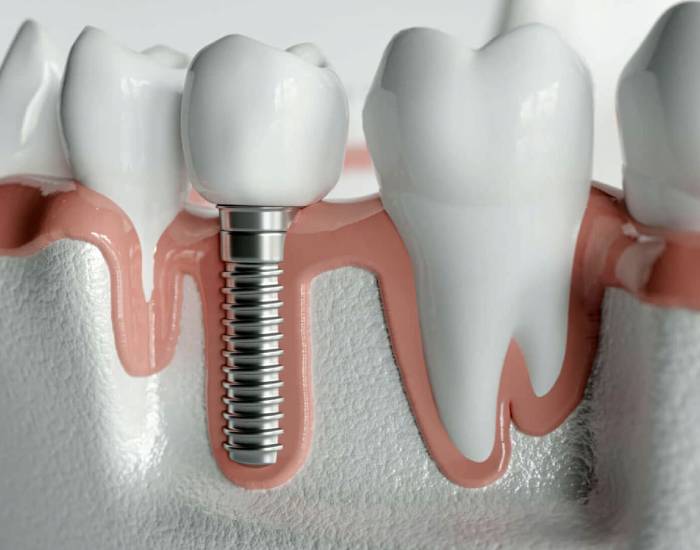
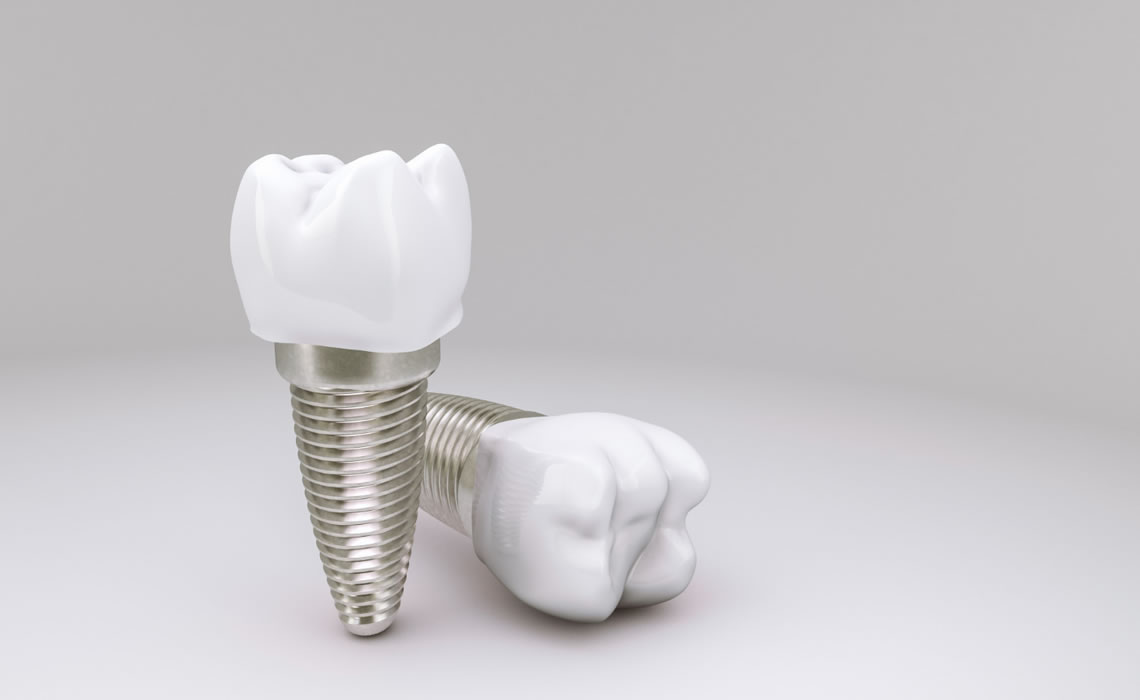
- If you have any special procedures in your mouth (dentures, implants, etc.), take care of them as recommended by your doctor.
You can prevent tooth decay by being meticulous about the causes of tooth decay. In addition to self-care, have your teeth cleaned every 6 months.You know. This way, you can get rid of tartar and plaque, which are the residue that accumulates in areas your brush can’t reach.
How to prevent tooth decay in short?
You should brush your teeth not only before going out, but also after breakfast and before going to bed at night. This way, you can help minimize the amount of bacteria that can build up in your mouth. Make sure you choose a toothbrush with the right hardness and effectiveness, as recommended by your dentist. To reduce tooth staining, don’t overdo it with tea and coffee. Avoid acidic beverages.
Tooth Decay in Children
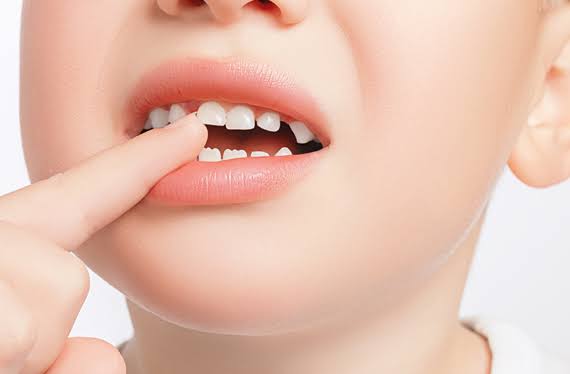
Because children’s baby teeth are about to change, their decay may not be considered important enough. However, decay in permanent teeth absolutely must be treated.
The easiest way to prevent tooth decay in children is to ensure they develop a good brushing habit from an early age. By supporting a healthy diet from an early age, you can help your children achieve healthier teeth.
You can protect their teeth by ensuring they eat protein-rich foods instead of sugary foods. Choosing home-cooked meals where you know everything about the process is also helpful in maintaining oral health.
Tooth decay in children can be more bothersome than it is in adults. Children are less tolerant to pain than adults. They may be afraid of the needle anesthesia administered before the procedure.
Before treating children with oral and dental health problems, it’s also important to prepare them psychologically for the procedure. Therefore, you should ensure that the doctor you choose is a specialist who understands your child’s psychology.
 Tooth Decay Treatment Options