Differences Between Single Tooth Implants and Bridges
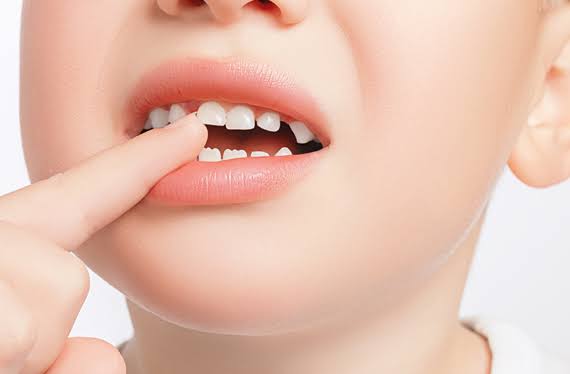
In the bustling life of Istanbul, you may have lost a single tooth, perhaps in a sporting event, perhaps due to an unfortunate accident, or due to a neglected cavity. The gap you see when you look in the mirror is not only an aesthetic problem, but also a deficiency that disrupts your chewing balance. When you go to your dentist, you are usually presented with two options: Traditional Dental Bridge or Dental Implant.
On one hand, there is the “Bridge,” which has been used for centuries and provides quick results; on the other hand, there is the biological marvel of modern medicine, the “Implant.” So, which one should you choose? What are the price differences, treatment duration, pain levels, and most importantly, the long-term health effects?
Key Difference: Where Does the “Support” Come From?
The most critical difference between these two treatments is where they get their strength to compensate for the missing tooth. This difference determines the future of your oral health.
Dental Bridge:
It gets its support from the healthy teeth on either side of the gap. Just like a suspension bridge. However, these healthy teeth (enamel layer) need to be cut and reduced in size for the bridge’s supports to sit in place.
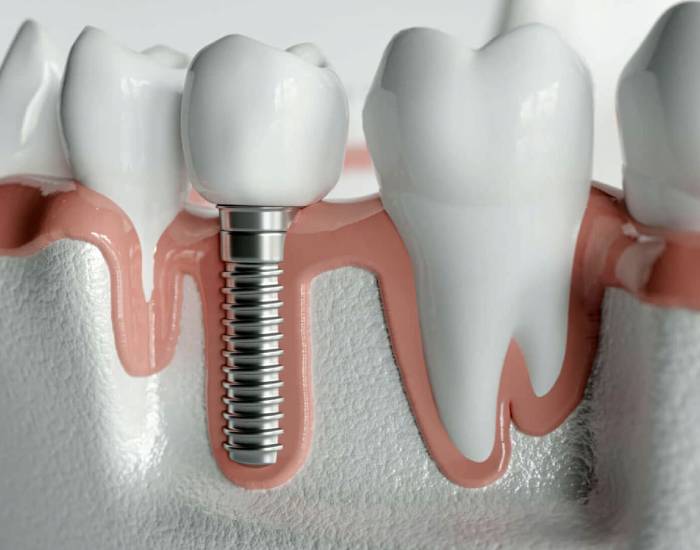
Dental Implant:
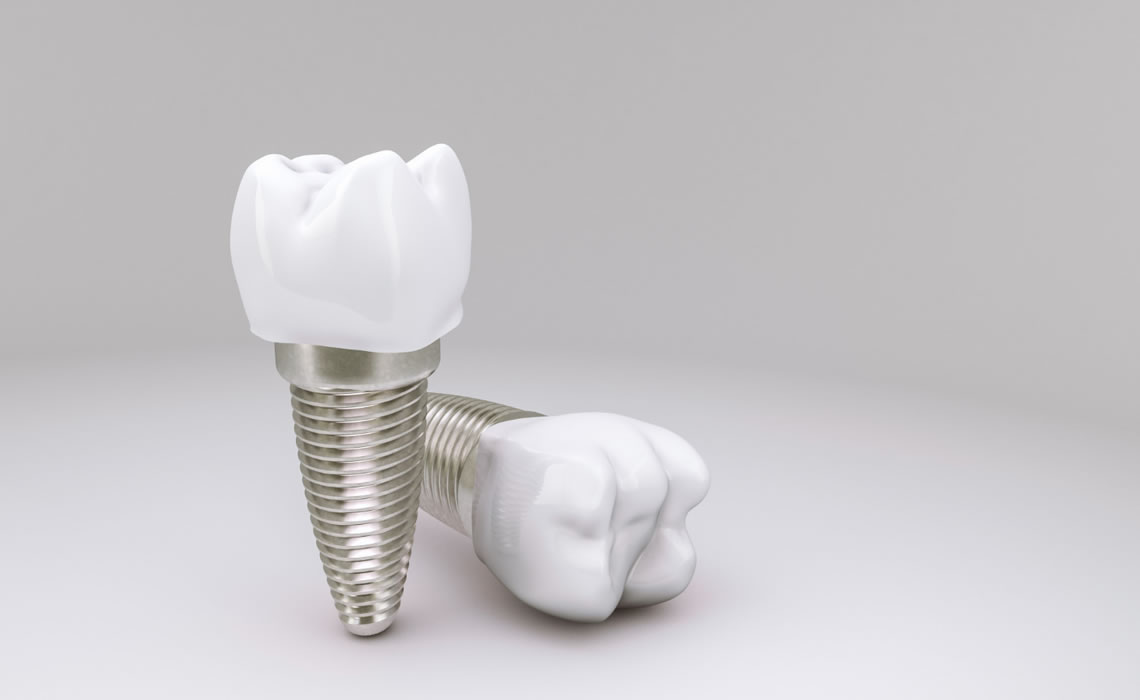
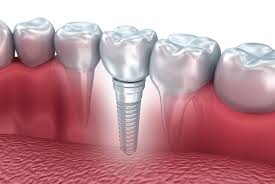
It gets its strength directly from the jawbone. An artificial root (titanium screw) is placed in the gap. Adjacent teeth are not touched, and no support is needed from them. It is an independent structure.
1. Biological Protection and the “Adjacent Tooth” Factor
In modern dentistry in Istanbul, the “Minimally Invasive” (causing the least damage to the tissue) approach is fundamental. This is the greatest advantage of implants.
To get a bridge, you have to sacrifice two adjacent teeth that are free of decay and perfectly healthy. When the enamel layer, which is the protective armor of the tooth, is scraped away, that tooth becomes “in need of a crown” for life. In addition, sensitivity or the need for root canal treatment may develop in the extracted teeth over time. With implants, however, the adjacent teeth remain in your mouth in their original state. 2. Bone Health and the Risk of “Facial Collapse”
After a tooth is extracted, the jawbone in that area begins to resorb because it becomes “non-functional”.
- In the Case of a Bridge: The bridge body sits only on the gum. It does not transmit pressure to the bone. Therefore, bone loss continues under the bridge. Over time, a gap forms between the gum and the bridge, and food particles begin to accumulate.
- In the Case of an Implant: An implant mimics the tooth root. It transmits chewing force to the bone. This stimulation keeps the bone alive and prevents it from resorbing. Your facial form is preserved.
3. Ease of Hygiene and Care
The biggest complaint of patients using bridges is hygiene. Since the body of the bridge is attached to the gum, it is difficult to clean underneath. Special “under-bridge floss” must be used. Otherwise, bad breath is inevitable.
An implant, on the other hand, is an “independent” tooth, so it can be brushed and flossed just like your natural teeth. For those seeking practicality in the fast-paced life of Istanbul, implants offer a great advantage.
📍 Time and Cost Balance in Istanbul
Our patients sometimes choose bridges, saying, “A bridge is finished in a week, an implant takes 3 months.” Yes, time is valuable in Istanbul. However, when an implant is done (if it’s in the front area), a temporary tooth is immediately fitted, so you don’t go around without teeth. From a cost perspective, although a bridge seems cheaper, it needs to be replaced every 10-15 years. Implants, on the other hand, are permanent. In the long run, implants are a more profitable investment in the Istanbul economy.
Large Comparison Table
Technical details to help you make a decision:
| Features | Traditional Dental Bridge | Single Tooth Implant |
|---|---|---|
| Effect on Adjacent Teeth | Cut and reduced (Damaged). | Untouched (Protected). |
| Osteoporosis | The melting continues. | Stops the melting. |
| Risk of Decay | Foot teeth may decay. | Implants do not decay. |
| Treatment Duration | Short (5-7 Days). | Long (2-3 Months for fusion) (duration). |
| Lifespan | Average 10-15 Years. | Lifetime. |
| Aesthetics | Puts pressure on the gums, may look artificial. | Provides a natural emergence profile from the gum. |
Which Should Be Chosen When?
Although implants are the “Gold Standard,” in some cases, a bridge may be preferred or even necessary.
- Situations Where Implants Should Be Chosen
In every case where the adjacent teeth are perfectly healthy, the bone structure is sufficient, and the patient’s general health is suitable for surgery, the first choice is the implant. - Situations Where a Bridge Can Be Chosen
- If there are already large fillings or crowns on the adjacent teeth (if they are already damaged).
- If bone loss is excessive and the patient requires advanced surgery (bone powder, etc.) If they don’t want to.
- If there are systemic diseases that will prevent the implant from taking hold, such as uncontrolled diabetes.
⚠️ Caution: Don’t Be Misled by Fear of Surgery
Most patients choose a bridge out of fear that “Implant surgery is painful.” However, a single tooth implant operation is much easier than a tooth extraction, and there is almost no pain afterward. The sensitivity experienced during tooth preparation (bridge preparation) and the long chair time can be more tiring than an implant operation.
Conclusion: Choose Your Future
The choice between a single tooth implant and a bridge is a decision that will affect not only today but also the next 20 years of your oral health. A bridge made by cutting the adjacent teeth may save the day; however, an implant saves your future by preserving the biological integrity of your mouth.
In our clinic in Istanbul, equipped with modern technologies, we perform bone analysis with 3D tomography. By doing this, we determine the most appropriate method for you. If your bone is suitable, we recommend that you choose an implant, which is the closest solution to the original teeth that nature has given you, and that you do not touch your neighboring teeth.