What is Teeth Clenching (Bruxism) in Children?
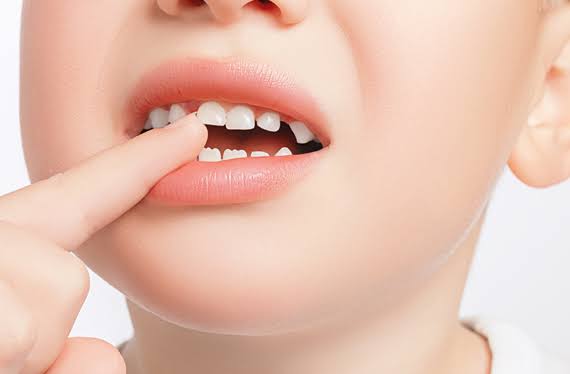
Bruxism is the unconscious clenching or grinding of teeth. This can occur both while awake and asleep; it is more common in children during sleep. While transient bruxism, occasionally seen in young children, is usually associated with growth and developmental processes, chronic or severe cases may require intervention.
Bruxism has no single cause; it can arise from a combination of behavioral, neurological, dental, respiratory, and psychological factors. Early diagnosis is important to prevent tooth wear and problems with the jaw joint.
Causes: Stress, Sleep Problems, and More
Common triggers of teeth grinding in children include:
- Stress and Emotional Burden: Situations such as school and family changes, anxiety, or trauma can cause nighttime grinding in children.
- Sleep Disorders: Sleep-related breathing problems (e.g., upper airway resistance sleep, snoring) and irregular sleep rhythms can increase the risk of bruxism.
- Late Tooth Positioning or Bite Problems: Late teeth eruption and misalignment during mixed dentition can be triggers.
- Developmental/Neurological Factors: Hyperactivity spectrum disorders and certain neurological conditions may be associated with bruxism.
- Medications and Medical Conditions: Although rare, certain medications or medical conditions It may contribute to bruxism.
It would be inappropriate to attribute the cause to a single factor without evaluating your child’s habits and general health; in most cases, more than one factor is at play.
Symptoms: What Parents and Doctors Should Watch Out For
Bruxism can sometimes be difficult to detect because many children grind their teeth while sleeping at night, and parents may hear the sound in the morning. A specialist should be consulted if the following symptoms are observed:
- A grinding sound during the night (heard by the family)
- Morning pain in the jaw muscles or difficulty opening the child’s mouth
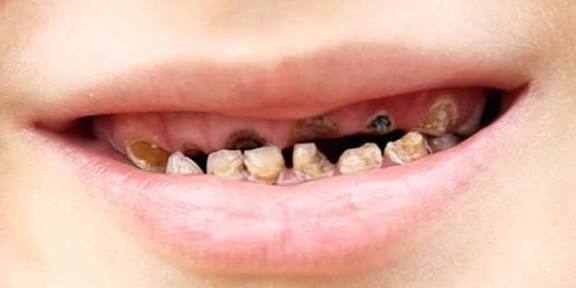
- Erosion, cracking, or tenderness of the tooth enamel
- Face, jaw, or headaches
- Sleep disruptions, restless sleep
If one or more of these symptoms are present, it would be beneficial for your child to be evaluated by a dentist and, if necessary, a pediatric specialist.
Diagnosis: How is it Evaluated?
Diagnosis begins with a detailed history and clinical examination. The dentist may follow these steps:
- Inspect the tooth surfaces for wear, cracks, or restoration damage.
- Temperature examination: check for clicking, locking, or sensitivity.
- Obtain information from the family about sleep quality and breathing; referral to relevant specialists if suspected of a sleep disorder is necessary.
- Obtain dental impressions, photographs, and radiographs if necessary.
A multidisciplinary approach is crucial for diagnosis; a pediatrician, pediatric dentist, otolaryngologist, or child psychologist is involved when necessary.
Treatment Options: Preventing Wear and Addressing the Underlying Cause.
Bruxism treatment has two primary goals: to reduce damage to the teeth and jaw joint; and, if possible, to reduce or eliminate the underlying trigger. The approaches used at the OPC Clinic are as follows:
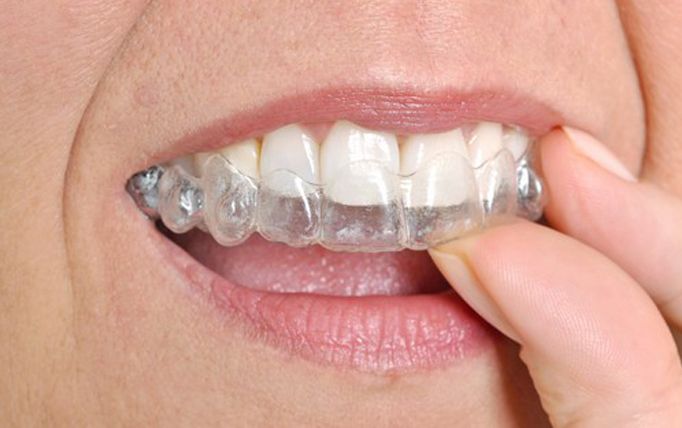
1. Preventive Measures and Night Splints
A night splint prevents wear by preventing direct contact between teeth and helps the jaw muscles rest. It is custom-fitted to the child. The use of splints in young children is determined by evaluating their suitability and fit.
2. Behavioral and Behavior Modification Techniques
Parents and children are taught specific relaxation techniques, sleep hygiene practices, and stress reduction methods. Play-based relaxation exercises and a regular sleep routine can have positive effects on children.
3. Medical/Managerial Interventions
If sleep apnea or upper respiratory problems are detected, a referral to an ear, nose, and throat specialist is recommended. In some cases, treating the underlying medical condition can reduce bruxism.
4. Dental Interventions and Orthodontics
If bite problems or dental misalignments trigger bruxism, orthodontic treatment or dental restorations are considered. However, orthodontics are generally planned based on growth and dentition.
5. Multidisciplinary Follow-Up
Especially in chronic cases or those causing significant damage to the mouth, follow-up is carried out with a pediatric dentist, pediatrician, and, if necessary, a child psychologist.
Practical Tips for Parents
Simple and effective tips that can be implemented at home can help reduce bruxism, especially in mild cases:
-
- Establish a routine of going to bed and waking up at the same time every day.
- Reduce screen time before bed; choose reading and calming activities.
- Observe the stress factors in your child’s school or social life; If necessary, contact your teacher or school psychologist.
- Gently massaging your jaw muscles with a warm towel before bed may provide relief.
- If you notice a grinding sound, take notes (time, frequency, and when it increases)—this information will be helpful to your dentist.
When Should You Seek a Specialist’s Consultation?
Consult your pediatric dentist or pediatric specialist immediately if you experience the following:
- Significant wear, cracking, or sensitivity of the teeth
- Jaw pain in the morning or the child complains of pain
- Frequent awakenings during sleep, intense restlessness, or excessive daytime sleepiness
- Clicking, locking, or limited movement of the jaw joint
Symptom – Possible Outcome – What to Do Required
| Symptom | Possible Outcome | OPC Clinical Recommendation |
|---|---|---|
| Nocturnal teeth grinding | Tooth wear, sleep disruption | Keep records, refer to dentist for initial evaluation |
| Morning jaw pain | Jaw muscle fatigue, TMJ tenderness | Night plate evaluation, muscle relaxant recommendations |
| Teeth sensitivity/crack | Need for dental restoration | Dental examination and, if necessary, restorative intervention |
| Suspicion of snoring/respiratory arrest | Risk of sleep apnea | Referral to ENT/sleep center |
OPC Clinical Approach
At OPC Clinic, we perform a holistic evaluation of bruxism in children: we develop a personalized plan based on a detailed dental examination, a jaw joint assessment, and family history. When necessary, we collaborate with pediatricians, ENT specialists, and child psychology.
Our goal is to protect your child’s teeth, improve their quality of life, and, if possible, eliminate the underlying causes.