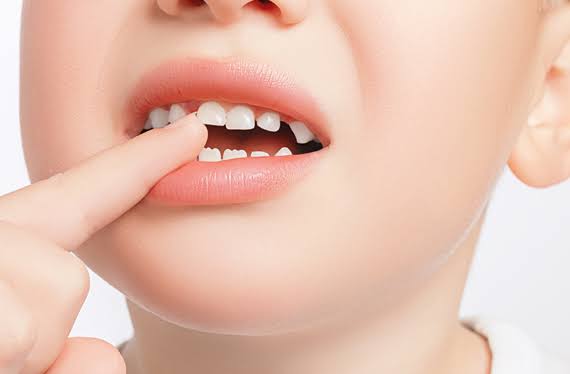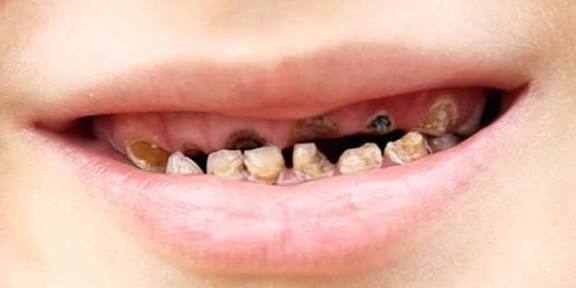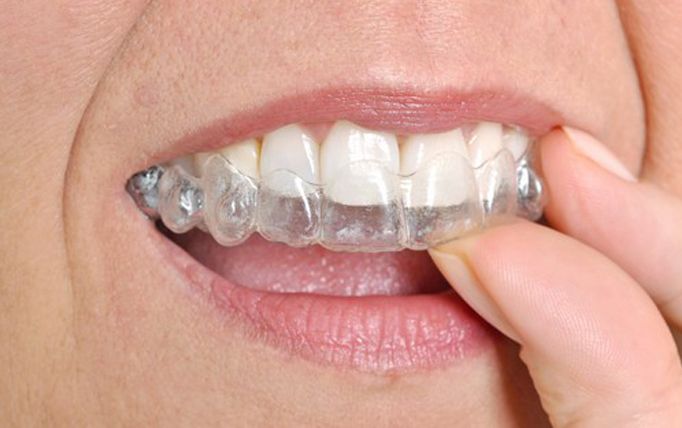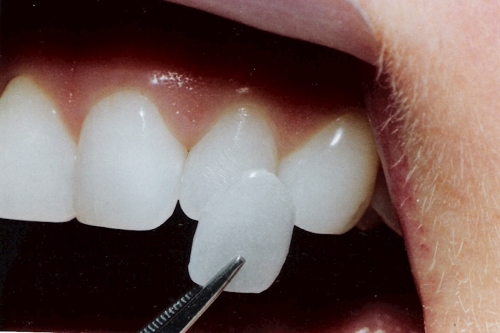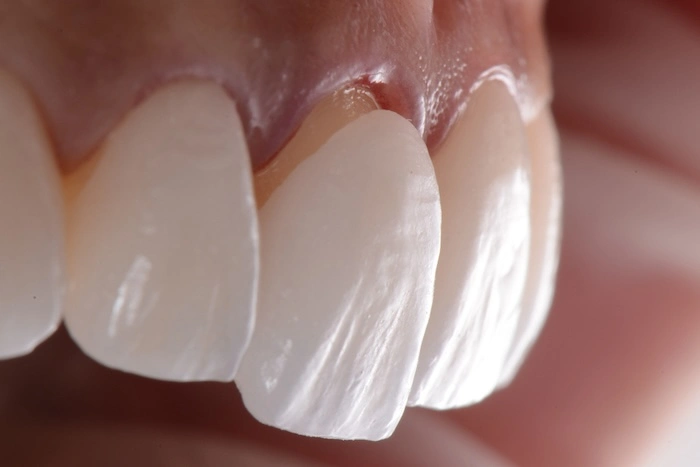
Fizzy drinks, frequently consumed in the daily lives of children and adolescents, unfortunately pose a silent and destructive threat to oral and dental health. These drinks, attractively packaged for parents, damage tooth enamel irreversibly due to their high sugar and acidic (low pH) content. This damage not only accelerates the formation of cavities but also leads to the chemical dissolution of enamel, known as dental erosion, leading to tooth sensitivity and aesthetic problems.
As Private OPC Clinic Oral and Dental Health Clinic, located in the central and accessible Kozyatağı district of Kadıköy, Istanbul, we prioritize the healthy development of children. Our Pedodontics (Pediatric Dentistry) unit prioritizes the awareness of families about these nutritional risks. Our clinic, with its expert staff in Kadıköy, offers personalized preventative programs to prevent and treat existing damage caused by fizzy drinks.
The Double Threat of Carbonated Beverages on Tooth Enamel
The damage carbonated beverages inflict on teeth occurs through two main mechanisms: Acid Erosion and Sugar-Induced Cavities. These two factors are particularly devastating in children’s teeth, where the enamel layer is not yet fully developed.
A. The Beginning of Tooth Erosion: Low pH (Acid Attack)
The vast majority of carbonated beverages contain ingredients such as phosphoric acid, citric acid, and carbonic acid for sweetening and preservative purposes. These acids overcome the natural buffering capacity of saliva, rapidly lowering the oral pH (usually to a pH range of 2.5–3.5).
- Enamel Dissolution Process: The main structure of tooth enamel consists of calcium and phosphate minerals. When the pH in the mouth drops below 5.5 (the critical pH), mineral loss from tooth enamel begins. Because sodas drop well below this threshold, tooth enamel begins to dissolve, or chemically erode, with each sip. This process is called dental erosion and, unlike cavities, occurs directly due to the effects of acid.
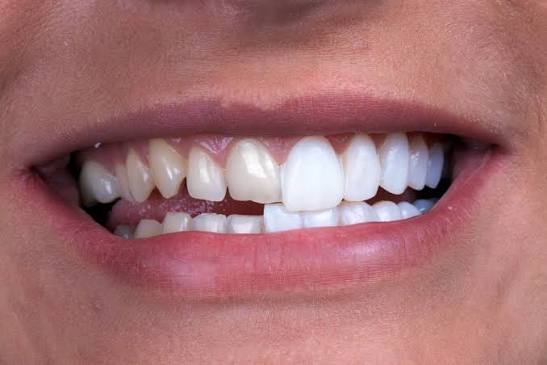
- Danger in Adolescents: When adolescents sip sodas throughout the day, they constantly expose their teeth to an acidic environment. This causes the enamel to thin, the teeth to become transparent, and the underlying yellow dentin to be exposed.
B. Side Effect of Sugar: Acceleration of Cavity Formation
Dental erosion also accelerates the decay process. The high amounts of simple sugars (glucose, fructose) in sodas are the primary food source for oral bacteria (Streptococcus mutans).
- Doubling of Acid Production: Bacteria rapidly metabolize these sugars, producing lactic acid. In other words, soda not only dissolves tooth enamel with its own acid but also doubles the damage by stimulating bacteria to produce additional acid with the sugar they contain.
- Permanent Damage: Enamel, already weakened by erosion, becomes vulnerable to bacterial acids, and decay begins rapidly. These decays can quickly reach the tooth nerve, causing infection and pain.
Preventive Pedodontic Measures for Parents from the OPC Clinic
Our clinic, located in Kadıköy Kozyatağı, implements a comprehensive preventive medicine strategy to minimize the risks associated with soda consumption.
A. Changes in Diet and Consumption Habits
OPC Clinical Pedodontics specialists recommend small but effective changes to diet and consumption habits:
- Limited and Fast Consumption: If carbonated beverages cannot be completely avoided, they should be consumed once a day and limited to mealtimes. Most importantly, avoid sipping these beverages for extended periods. Rapid consumption shortens the duration of acid exposure.
- Using a Straw: If possible, consuming beverages through a straw reduces direct contact of the liquid with the front teeth.
- Rinse Immediately with Water: Rinsing your mouth with plenty of water immediately after consuming carbonated beverages (but not immediately before brushing!) helps neutralize the acid and remove sugar residues.
B. Enamel Strengthening: Preventive Treatments
Strengthening tooth enamel against acid attack caused by carbonated drinks is one of OPC Clinic’s primary preventive treatment approaches:
- Professional Fluoride Application: Highly concentrated fluoride varnishes applied by our pediatric dentist remineralize tooth enamel, increasing its resistance to acid erosion. This treatment is repeated regularly, especially in children at high risk of erosion.
- Fissure Sealant Application: The fissures on molars, which are hard to reach with a toothbrush, are sealed with a special filling material, preventing the acid and sugar residues caused by carbonated drinks.It prevents the accumulation of carbonated beverages in these critical areas.
Comparative Table of Carbonated Beverage Consumption and Dental Health
| Area of Effect | Child with High Carbonated Beverage Consumption | Child with Regular Control and Limited Consumption (OPC Approach) |
| Enamel Structure | Increased Tooth Erosion, Enamel Thinning, Translucency, and Sensitivity. | Strong Enamel Structure, Strengthened with Fluoride and Preventive Applications. |
| Decay Risk | High. Decay progresses rapidly to the nerve due to the combination of acid and sugar. | Low. Maximum protection is provided with fissure sealant and fluoride. |
| Treatment Need | Advanced fillings, root canal treatment, and tooth extractions. | Routine checkups and preventative measures. |
| Long-Term Effect | Early-aged tooth sensitivity, aesthetic problems, orthodontic problems. | Healthy and long-lasting permanent dentition. |