Comfort in dental treatment is no longer a luxury, but a standard expectation. With the widespread adoption of Painless Anesthesia (Digital Anesthesia) technology, a major concern for patients is whether this revolutionary method is suitable for everyone. From children to the elderly, from pregnant women to those with chronic illnesses, we examine this question in detail, drawing on scientific data and the OPC Clinic’s clinical experience in Kozyatağı/Suadiye.
The OPC Clinic, which provides high-tech services in the Kozyatağı and Suadiye districts of Istanbul, offers painless anesthesia not as an option, but as the default protocol for almost every treatment requiring local anesthesia.
Digital Anesthesia: Are There Age and Procedure Restrictions?
The digital anesthesia system uses the same anesthetic drug used in traditional anesthesia methods, but the difference lies in the delivery technique. This precise, computer-controlled method is suitable for a wide range of patients.
a. Age Restrictions: Comfort from Children to the Elderly
Digital anesthesia is a method that can be applied regardless of age.
- Children: The fear of the dentist is rooted in the experience of needles and pain. Digital Anesthesia, with its pen-like design and zero-pain principle, prevents the development of phobia in children and fosters a positive relationship with the dentist.
- Elderly Patients: Precise microprocessor control of medication dose and targeted anesthesia minimize potential systemic effects and unnecessary post-treatment drowsiness in elderly patients.
b. Application Areas: Almost Any Procedure
Painless anesthesia is successfully used in all dental procedures requiring local anesthesia:
- Restorative: Deep fillings, root canal treatments.
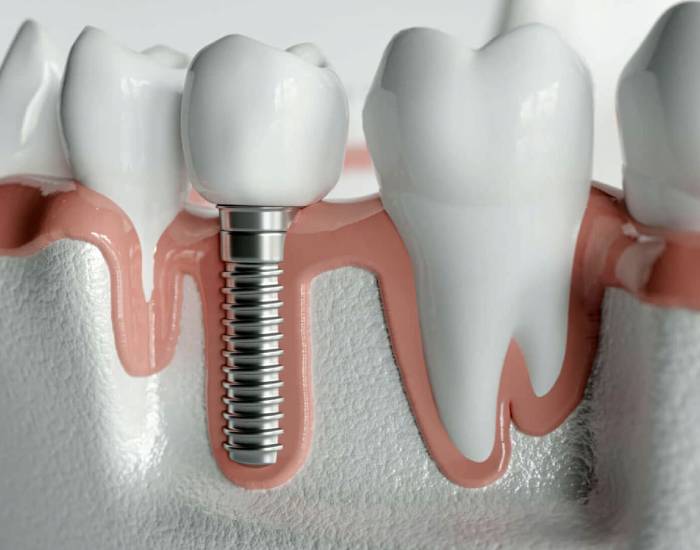
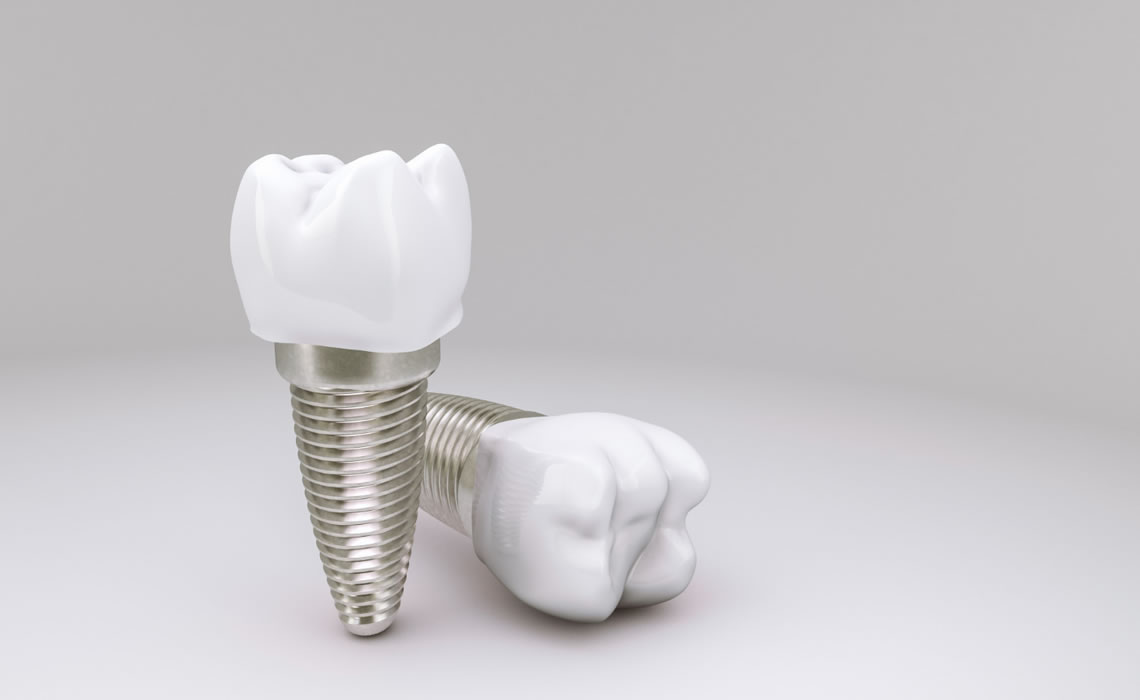
- Surgical: Impacted tooth extraction, dental implant applications.
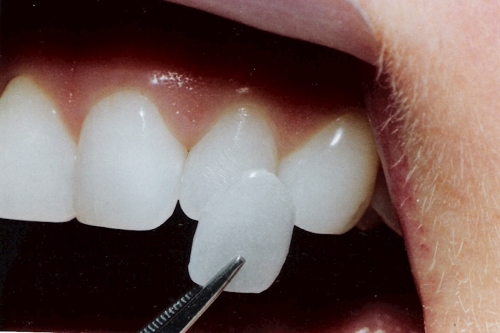
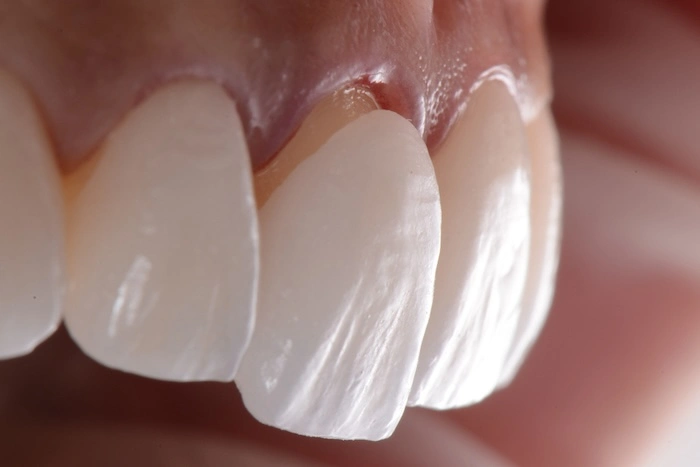
- Aesthetic: Tooth preparation for laminate and zirconia applications, gum restorations (pink aesthetics).
Special Situations: Safety in Sensitive Patient Groups
Painless anesthesia offers greater safety and predictability for specific patient groups than traditional methods, thanks to the ability to control the amount and distribution of medication.
| Special Patient Group | The Advantage of Digital Anesthesia | Important Note |
| Those with Needle Phobia | Painless insertion and neutralization of the needle visual prevent anxiety caused by the phobia. | Provides psychological relief and increases treatment compliance. |
| Pediatric Patients | Makes treatment enjoyable and prevents future dental fear. | For children of all ages who can cooperate can be applied. |
| Those with Systemic Diseases (Diabetes, Hypertension) | Systemic risks are minimized because the amount and distribution of the anesthetic agent are precisely adjusted. | The physician’s medical history is critical. |
| Pregnant Women and Breastfeeding Mothers | Localized and controlled anesthesia aims to numb only the required area. | Approval from the obstetrician and appropriate medication selection are absolutely required. |
Uncommon Obstacles (Contraindications) to the Application of Digital Anesthesia
Although painless anesthesia is technologically applicable to almost everyone, depending on the anesthetic agent used, Contraindications (situations in which anesthesia should not be administered) remain in effect.
Pre-Treatment Evaluation Protocol at the OPC Clinic:
- 1. Anesthetic Allergy: If the patient has a known allergy to the substance used in local anesthetic (usually Lidocaine or Articaine derivatives), no local anesthetic, including digitalis anesthesia, can be administered. This is rare, and alternative, non-allergic anesthetics should be considered.
- 2. Serious Infection and Inflammation: The presence of serious infection or inflammation at the application site may reduce the effectiveness of the anesthetic. In such cases, the infection may need to be controlled first.
- 3. Serious Coagulation Disorders: In very rare cases, to manage the minimal bleeding risk posed by the injection, the patient’s coagulation disorders or blood-thinning medications should be carefully evaluated by the physician. However, because digital anesthesia minimizes injection trauma, this risk is already lower than with the traditional method.
OPC Clinic’s Global Safety Protocol: Two Fundamental Principles (Article by Article)
OPC Clinic, based in Kozyatağı and Suadiye, uses painless anesthesia not only for comfort but also for maximum safety:
- Controlled Dosage and Rate Management: The device completely eliminates human error.The computer adjusts the anesthetic agent according to the patient’s tissue resistance, preventing overdosage and minimizing the risk of toxicity.
- Minimal Tissue Trauma: A slow and steady flow reduces the amount of anesthetic spread to surrounding tissues. This shortens the duration of numbness and virtually eliminates tissue trauma, such as swelling and bruising, that can occur after traditional anesthesia.
Comfort and Safety Combined
Painless anesthesia in dental treatment can be safely administered to anyone suitable for local anesthesia. In fact, thanks to the advantages of controlled dosage, minimal pressure, and zero needle phobia, it is a safer and more comfortable alternative to traditional local anesthesia for many patient groups.
If you live in the Kozyatağı or Suadiye area and have been postponing your treatments due to your fear of the dentist, you can make that fear a thing of the past by discovering OPC Clinic’s Digital Anesthesia system. There’s no room for pain or anxiety on the journey to a healthy mouth and an aesthetically pleasing smile. OPC Clinic experts are ready to evaluate your medical history and provide you with the most appropriate comfort protocol.