Advantages of Aesthetic Dentistry and Modern Smile Design Guide
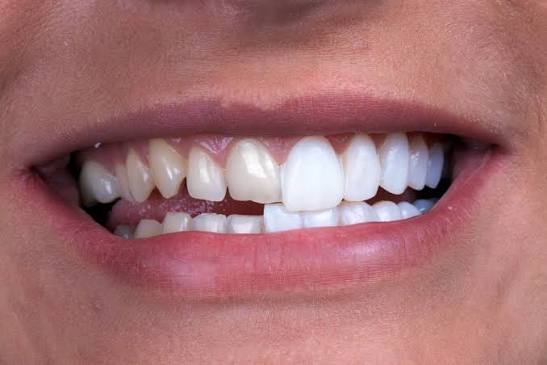
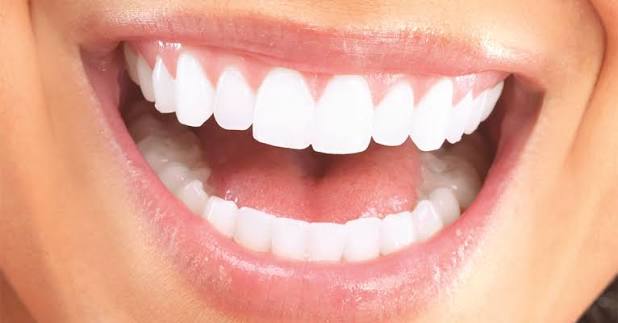
In the modern era, oral and dental health is not limited to basic biological needs such as relieving pain or fulfilling the chewing function. The face, and especially the smile line, which is the most striking part of human anatomy, is the first and strongest reference of an individual in social communication. Aesthetic dentistry steps in right at this point, emerging as a comprehensive medical discipline that reconstructs the alignment, color, size of the teeth, and their relationship with the gums in anatomical harmony. This set of applications, planned by taking into account the individual’s facial proportions, lip structure, gender, and even character traits, aims to provide aesthetic satisfaction while preserving the health of intraoral tissues. In this field where medical science merges with an artistic vision, the improvement in the physical appearance of the patients shows a direct parallel with psychological resilience and increased self-confidence.
The Inseparable Unity of Aesthetics and Function
Contrary to a common misconception in society, merely having “white and straight” teeth is not the only goal when planning aesthetic dentistry applications. The human masticatory (stomatognathic) system is a perfect mechanism in which the jaw joint, muscles, teeth, and neurological tissues work together. Therefore, no application performed solely with visual concerns that disrupts the chewing function or occlusion (bite) dynamics can be considered successful. The greatest advantage of aesthetic dentistry is its capacity to create a visual feast while simultaneously repairing existing structural defects (crowding, abrasions, bite errors) in the mouth. The restoration of a decayed, broken, or deformed tooth supports the patient’s ability to consume healthy food and eliminates articulation disorders during speech (phonation).
Loss of substance or gaps (diastema) occurring especially in the anterior teeth can cause individuals to have difficulty pronouncing words or lead to an older facial expression due to the collapse of lip support. Thanks to modern restorative materials, the contact of the teeth with the lips is restored to its ideal level. Thus, by supporting the lips and surrounding tissues, which we call the perioral region, a natural and youthful dynamism is achieved in the lower third of the face. In short, aesthetic dentistry is a holistic approach that protects not only your smile but also the long-term health and biomechanical balance of your oral and maxillofacial system.
Biocompatible Materials and Natural Tissue Sensitivity
Amalgam fillings or metal-supported porcelain crowns used in the past, although functionally adequate, could not fully meet aesthetic expectations due to their lack of light transmittance and the purple/gray reflections they created on the gums over time. The most revolutionary advantage offered by modern aesthetic dentistry is the biocompatibility and optical properties of the materials used, which are almost identical to natural tooth enamel. A natural tooth does not just reflect the light falling on it; it also absorbs some of the light and transmits it to the dentin layer (translucency). New-generation zirconium substructures, lithium disilicate (E-max) glass ceramics, and composite resins perfectly mimic this light transmittance, eliminating the “matte and artificial” appearance of the teeth.
Not only visual imitation but also harmony with the gingival tissue (periodontium) is the biggest advantage of these materials. Advanced ceramic materials are highly resistant to bacterial plaque accumulation due to their surface smoothness. This minimizes the risk of gum recession, bleeding, or periodontal inflammation after treatment. In the practice of OPC Klinik, the intraoral tissue tolerance of the patient is evaluated in detail, and tissue-friendly materials that are not rejected by the body and do not pose a risk of allergic reactions are preferred. In this way, the applied treatments maintain their presence in harmony by preserving the pink-white aesthetics with the gums for years, not just on the first day they are made.
Digital Smile Design and Planning with the OPC Klinik Difference
While results are usually seen at the end of the treatment in traditional dentistry, today’s technology makes patients an active part of the design process. The most reassuring advantage of aesthetic dentistry is that the result is no longer a surprise. Using the possibilities offered by digital dentistry (CAD/CAM technologies and intraoral scanners), OPC Klinik transfers the patient’s intraoral measurements to the computer environment in three dimensions with micron precision. Through these digital modelings integrated with facial photos and videos, the length, form, axes of the teeth, and the relationship of the smile line with the lips are simulated in detail.
This digital workflow maximizes communication between the physician and the patient. Thanks to “Mock-up” (temporary trial) applications prepared before the treatment even begins, patients have the opportunity to physically experience, feel, and evaluate their planned new smiles in their own mouths in front of a mirror. Desired revisions can be made on the shape of the teeth before any permanent procedure is performed. This transparent and predictable process increases the patient’s trust in the treatment and allows the physician to achieve maximum aesthetic results by removing minimal material from the tissues (minimally invasive approach). Preserving the natural structure by working only on the enamel of the tooth is the golden rule of modern aesthetic dentistry.
Frequently Applied Treatments Within the Scope of Aesthetic Dentistry
There are many different clinical procedures designed to meet the aesthetic expectations and functional needs of individuals. These procedures can be applied alone or combined with each other when a more comprehensive smile makeover is targeted. In the table below, you can examine the main treatment methods prominent in aesthetic dentistry and their clinical advantages:
| Application Name | Main Goal and Scope | Prominent Clinical Advantages |
|---|---|---|
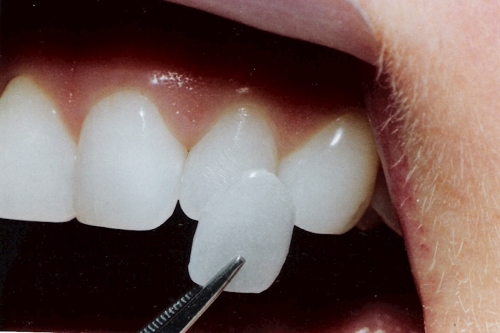
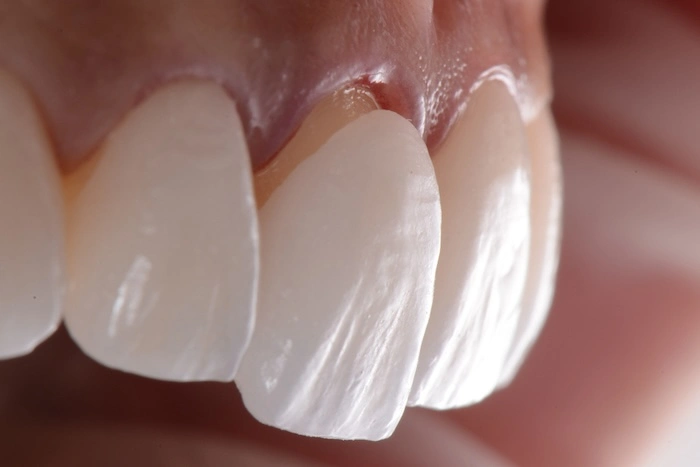
| Porcelain Laminate (Veneer) | Leaf-thin ceramic restorations bonded only to the front surfaces of the anterior teeth. | Requires minimal abrasion from the natural tooth structure. Highly resistant to discoloration and provides excellent light transmittance. |
| Zirconium-Supported Crowns | Durable restorations that wrap 360 degrees around broken or weakened teeth with high material loss. | Since it does not contain metal, it does not create a gray reflection on the gums. It is resistant to high chewing forces and has top-level biocompatibility. |
| Teeth Whitening (Bleaching) | The process of structurally lightening organic discolorations penetrating the tooth enamel and dentin structure with special gels. | Supports achieving a brighter, cleaner, and younger appearance in a short time without any physical intervention to the tooth structure. |
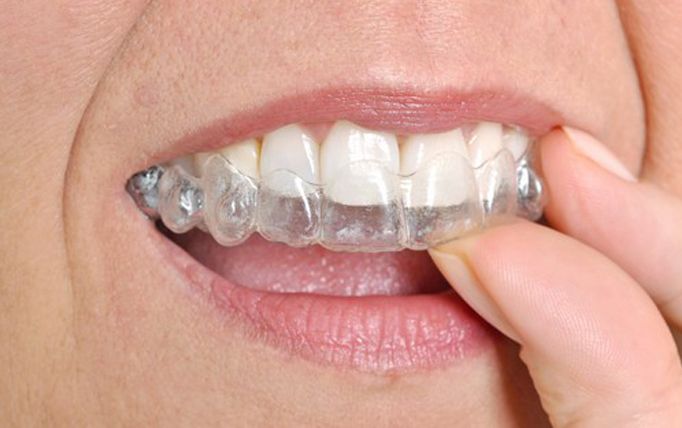
| Orthodontics with Clear Aligners | Correction of dental crowding and gaps with specially produced removable aligners without using wires. | Unnoticeable from the outside during the treatment process. Maintaining oral hygiene is very easy, and it prevents lip/cheek irritations caused by traditional braces. |
Psychosocial Effects and the Reconstruction of Self-Confidence
Numerous studies on human psychology prove the direct impact of satisfaction with physical appearance on an individual’s social communication skills and professional life. Individuals who hesitate to smile due to discoloration, fractures, or excessive crowding in their teeth, who feel the need to cover their mouth with their hand while laughing, or who prefer to stay in the background in photos, may be dragged into social isolation and a lack of self-confidence over time. Perhaps the greatest immeasurable advantage of aesthetic dentistry is that it rebuilds the person’s peace with their own body.
The balanced, bright, and healthy smile form obtained after the applied treatments helps the person to use their facial expressions more freely, not hesitate to make eye contact, and radiate a much more positive energy in the environments they enter. This change not only makes the individual feel good; it also contributes to presenting a more persuasive and dynamic stance in all areas of life, from job interviews to interpersonal relationships. In short, an aesthetic touch is a long-term investment not only in the teeth but in the individual’s quality of life.
Preventive Approaches for a Long-Lasting Smile
The success of aesthetic restorations is not limited only to the high technology applied in the clinic and the mastery of the physician. The ability of this valuable result to maintain its healthy presence in the mouth for years is directly related to the patient’s oral and dental care habits after the treatment. As OPC Klinik, we advise our patients to integrate the following basic routines into their daily lives after the applications:
- Continuity of Mechanical Cleaning: In addition to brushing teeth, making it a daily habit to use dental floss, interdental brushes, or a water flosser to prevent plaque accumulation at the joints of aesthetic restorations (especially laminates and zirconiums).
- Periodic Dental Check-ups: Not interrupting clinic visits at intervals of no more than 6 months. Having professional tartar cleaning during these appointments and having the restoration margins and bite balances checked microscopically by the physician.
- Avoiding Biomechanical Stresses: To extend the life of the restorations applied to the anterior teeth, strictly avoiding parafunctional (incorrect) habits that can damage even natural tooth enamel, such as cracking hard nuts with teeth, biting pens, or opening packaging with teeth. Patients with a teeth grinding (bruxism) problem must use a night guard specially prepared for them.
Conclusion: The Meeting Point of Health and Aesthetics
In summary, aesthetic dentistry is a branch of medicine that optimizes the individual’s smile, which is the most important communication tool accompanying them on their life journey, by both preserving biological health and applying artistic rules. Today, where discolored, worn, or misaligned teeth are not a destiny, thanks to the possibilities offered by digital technologies, every individual has the potential to have the most suitable and natural smile for their own facial form.