What is Sports Dentistry? The Importance of Oral and Dental Health for Athletes
Every day, thousands of people push their physical limits in the bustling streets of Istanbul, on the running tracks of the Belgrad Forest, or in gyms all over the city. Whether you play for a professional team or are an amateur running on the Caddebostan coast on the weekend, you place great importance on training programs, nutrition, and sleep patterns to improve your performance. But what about your oral and dental health, the most critical gateway to your body?
Unfortunately, most athletes don’t realize the dramatic impact of dental health on overall performance until they experience an injury or a drop in performance. This is where Sports Dentistry comes in, a vital discipline that not only protects teeth but also optimizes the athlete’s systemic health, enabling them to reach their best version on the field, court, or track.
What is Sports Dentistry?
Sports dentistry should not be considered merely a field dealing with the treatment of traumas that occur during sports. This is only the visible side of the coin. Sports dentistry is a specific branch of dentistry that aims to prevent oral diseases, manage traumas, and eliminate the negative effects of oral health pathologies on the athlete’s overall health by analyzing the unique dynamics of sports, the athlete’s physiology, and potential risk factors.
According to the standards set by the International Academy of Sports Dentistry (IASD), this discipline is built on four main pillars: prevention, diagnosis, treatment, and education. In a highly competitive city like Istanbul, sports dentistry practices help athletes achieve sustainable success by minimizing the risk of injury throughout the season. It covers a wide range of issues, from preventing a football player from breaking a tooth during an aerial ball challenge to managing tooth erosion a swimmer might experience due to chlorine in pool water.
The Hidden Link Between Oral Health and Athletic Performance
You might be wondering, “How can a tooth decay affect my leg muscles?” The answer lies in how our body functions as a whole. The mouth is a mirror of the body’s overall health, and an infection starting here can spread throughout the entire system via the bloodstream. This is called the “Focal Infection” theory. Gum disease or a chronic abscess at the root tip causes a constant state of inflammation in the body.
When an athlete trains, micro-tears occur in their muscles, and the body repairs these tears and strengthens the muscle during the resting period. However, if there is an oral infection in the body, the immune system expends its energy fighting this infection. As a result, muscle healing slows down, feelings of fatigue increase, and the risk of injury rises. This is the main reason why professional clubs in Istanbul require dental check-ups as part of their health checks.
Furthermore, toothaches or oral discomfort directly impair concentration and focus. A momentary toothache felt by a tennis player while serving or a basketball player at the free throw line can change the fate of the match. Temporomandibular joint (TMJ) problems, which affect balance and posture, can also affect spinal health and therefore the athlete’s posture.
Common Sports Dental Injuries
The risk of orofacial (mouth and face) injuries is quite high during sports activities, especially contact sports (football, basketball, combat sports, ice hockey, etc.). However, serious dental traumas can occur as a result of falls not only in contact sports but also in individual sports such as cycling or skateboarding.
The most common situations include tooth fractures (crown fractures), complete tooth dislodgement (avulsion), impacted or loosened teeth (luxation), and soft tissue (lip, tongue, cheek) injuries. Unfortunately, anterior tooth traumas, especially in bicycle and scooter accidents frequently seen in Istanbul traffic, are common reasons for visits to dental clinic emergency rooms.
First Aid Guide for Sports Injuries
Seconds are crucial in an accident on the sports field. Conscious first aid can save a tooth. The following table serves as a critical guide for athletes and coaches.
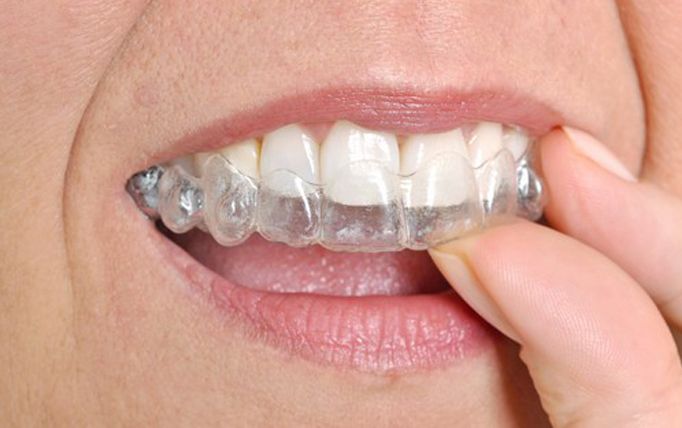
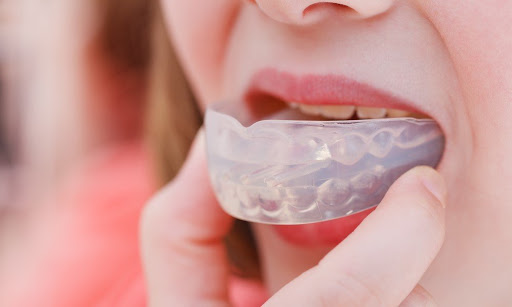
Apply an ice compress.Emergency (Sutures may be required) depending on the situationTableYour Most Important Equipment: Custom-Made MouthguardsThe most effective way to prevent sports injuries is to use the correct mouthguard. Standard “boil and bite” type mouthguards sold in sports stores unfortunately do not provide sufficient protection. These mouthguards often do not fit properly, make speaking difficult, and can hinder breathing. In situations requiring a professional approach, “Custom-Made Mouthguards” produced in well-equipped dental clinics in Istanbul are the gold standard.Custom-made mouthguards are produced in a laboratory environment using pressure machines after taking the athlete’s mouth measurements. They fit perfectly over the teeth, support the jawbone, and distribute the force across the entire arch during impact, minimizing the risk of fracture. Furthermore, research shows that a well-fitting mouthguard optimizes an athlete’s airway patency, increasing oxygen uptake and delaying lactic acid buildup.
Why Should You Choose Custom-Made Aligners?
- Perfect Fit: It won’t fall out of your mouth and won’t distract you.
- Breathing and Speech: You can communicate comfortably with your teammates and breathe comfortably during performance.
- Maximum Protection: Its shock-absorbing feature is many times greater than ready-made aligners.
- Concussion Risk: Studies show that it reduces the risk of concussion by absorbing impacts to the jaw.
The Effect of Sports Drinks on Teeth: Risk of ErosionSports drinks, energy gels, and carbohydrate bars, which athletes consume to replenish electrolytes and energy lost during training, pose a risk to dental health. It can pose a hidden threat. Many of these products are highly acidic and sugary. When the body loses water during intense training, saliva flow decreases (dry mouth). When the protective and cleansing effect of saliva decreases, acidic drinks attack tooth enamel more quickly and cause chemical erosion, which we call “erosion.”Observations made in Istanbul, especially on marathon runners and triathletes, have shown that tooth sensitivity and enamel erosion are common. To prevent this, it is recommended to rinse the mouth with water after acidic drinks, consume these drinks with a straw, or wait a while after training instead of brushing immediately (as it is harmful because the enamel has softened).Receiving Sports Dentistry Services in IstanbulIn addition to being one of the world’s leading centers for health tourism, Istanbul also offers top-level facilities for local athletes. Clinics in central locations such as Nişantaşı, Etiler, Kadıköy, and Ataşehir, utilizing digital dentistry technologies, provide fast and effective solutions for athletes.When choosing a clinic for sports dentistry services, you should pay attention to whether the clinic has digital scanning (measuring) devices, the dentist’s experience in trauma, and their approach to athlete physiology. Given Istanbul’s traffic and busy lifestyle, flexibility in appointment scheduling and accessibility in emergencies are also crucial.Conclusion: Support Your Performance with Your SmileA sports career is a holistic investment in your body. Neglecting oral and dental health, which maintains your body’s biological balance, while buying the most expensive cleats, the best racket, or the most advanced training watch, can be the biggest strategic mistake you can make. A mouth free from gum disease, protected against trauma, and functionally flawless will provide you with that “extra” power you seek against your competitors.If you want to feel safe while playing sports, get rid of hidden infections that reduce your performance, and have a professional mouthguard, you can benefit from our athlete-specific examination processes at our clinic in Istanbul. Remember, championship is in the details, and the most important of those details is your health.
| Type of Injury | Definition | First Aid to be Performed on the Field | Emergency Level |
|---|---|---|---|
| Avulsion (Tooth Dislodgement) | The tooth is dislodged from its bone socket as a result of impact. | Hold the tooth by the crown (white part) without touching the root. Gently rinse with water. If possible, place it back in its place; otherwise, keep it in milk or saliva. | Very Urgent (First 30-60 minutes are critical) |
| Crown Fracture | A piece of the visible part of the toothTooth fracture. | Find the broken piece and keep it in milk. Be careful of the sharp edges of the tooth. | Emergency (within 24 hours) |
| Luxation (Displacement) | The tooth is impacted, protrudes, or turns sideways. | Do not try to force the tooth back into place. Avoid biting. | Emergency (See a doctor immediately) |
| Soft Tissue Injury | Cut/bleeding on the lip, tongue, or cheek. | Apply pressure to the area with a clean cloth or gauze. |