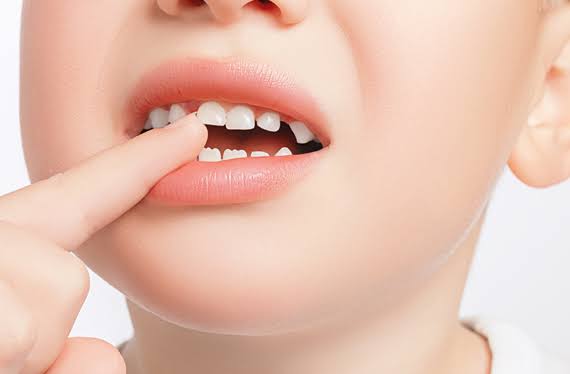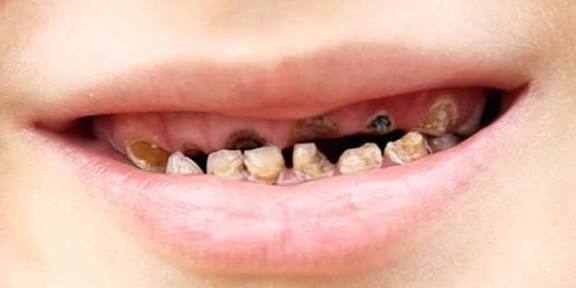
The foundation of a healthy life is laid in childhood, and oral and dental health is one of the most important components of this foundation. Children’s dental needs differ significantly from those of adults, both anatomically, physiologically, and psychologically. This is where the specialty of Pedodontics comes into play. Pedodontics is a specialized branch of dentistry that monitors the healthy development of children’s primary and permanent teeth from infancy to the end of adolescence (ages 0-16), encompassing all preventive and therapeutic procedures.
Ozel OPC Clinic Oral and Dental Health Polyclinic, located in Kozyatağı, a prominent and central location in Kadıköy, Istanbul, is committed to transforming children’s dental experience into a fear-free, positive, and educational experience with its expert staff. Our clinic’s location in Kozyatağı, Kadıköy, offers easy access for parents, while our dedicated, child-friendly Pedodontics unit ensures that our young patients feel safe and comfortable.
Pedodontics Specialization: More Than Just Dental Treatment
A pediatric dentist, also known as a Pedodontist, is a physician who, in addition to their standard dental education, has completed 4 to 5 years of doctoral or specialist training in child psychology, growth and developmental monitoring, pediatric oral medicine, and traumatology. This specialized training is the key distinguishing feature of pediatric dentists from ordinary dentists.
A. Child Psychology and Behavior Management
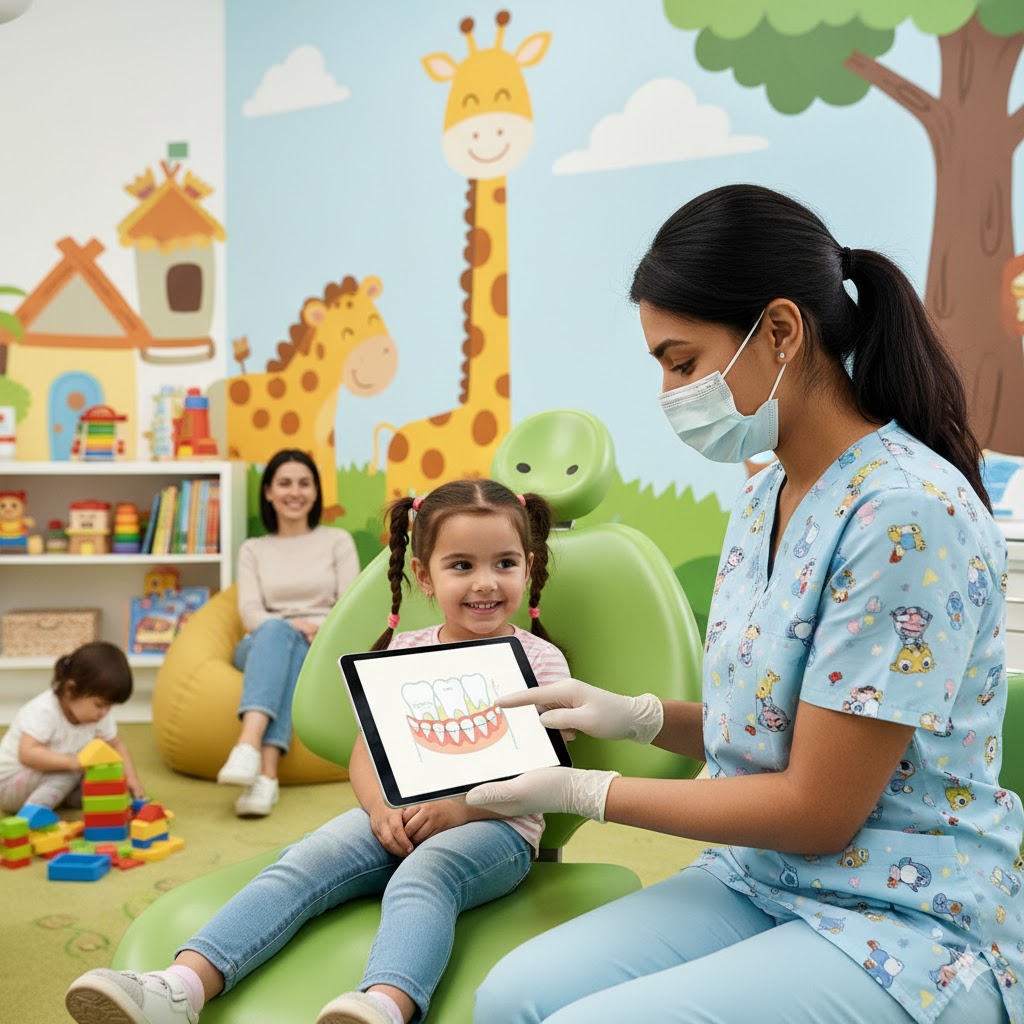
The key to success in pediatric dentistry is establishing a trusting relationship with the child before treatment. Pedodontists are well-versed in children’s developmental stages and the potential causes of dental phobia (fear of the dentist).
- “Tell-Show-Do” Technique: Pedodontists at the OPC Clinic effectively utilize this internationally recognized technique. Each procedure is explained in simple terms that the child can understand, and the tools are introduced with fun names (e.g., “water fountain” or “dental cart”), followed by the procedure. This approach increases children’s sense of control in the dental chair and eliminates fear.
- Positive Reinforcement: A reward system and verbal reinforcements applied at the end of each successful examination or treatment session encourage children to willingly attend the next visit, laying the foundation for lifelong healthy dental habits.
B. The Vital Role of Primary Teeth
The focus of pediatric dentistry is generally on primary teeth. Primary teeth play a vital role in the development of permanent teeth, and they should not be neglected out of the fear of “changing anyway.”
- Space Maintaining Function: The most important function of primary teeth is to maintain their place in the jawbone for the permanent teeth that will emerge. The premature loss of a primary tooth (due to decay or trauma) causes neighboring teeth to shift into the space, creating limited space for permanent teeth. At the OPC Clinic, Space Maintainers are applied to replace prematurely lost primary teeth, preventing future orthodontic problems.
- Speech and Nutritional Development: Primary teeth contribute to nutrition and jaw development by enabling the child to chew solid foods properly. They also play a key role in the correct pronunciation of certain sounds and speech development.
Pedodontic Preventive Practices at the OPC Clinic Kozyatağı
The OPC Clinic Pedodontics unit places great emphasis on Preventive Dentistry, which aims to prevent dental problems from occurring rather than treating them. Preventive practices are the most profitable investment for the child’s oral health and family budget in the long term.
A. Basic Caries Prevention Applications
| Application Name | Purpose of Application by the Pedodontist | Application Frequency |
| Fissure Sealant | Closing the deep grooves (fissures) on the chewing surfaces of the molars with a special material. It prevents cavities by up to 80% by preventing bacterial and food accumulation. | Immediately after the permanent molars erupt (around age 6). |
| Professional Fluoride Application | Strengthens tooth enamel to increase its resistance to acid attacks and decay (Remineralization). | Every 3 or 6 months, depending on the child’s decay risk. |
| Nutrition Counseling | Instructing families and children in good habits regarding the consumption of sugary, acidic foods, and carbonated beverages. | In detail at every checkup and first appointment. |
B. Growth and Development Monitoring
The pediatrician monitors not only the teeth but also the entire jaw-facial development and collaborates with the orthodontist when necessary.
- Treatment of Bad Oral Habits: Habits such as thumb sucking, nail biting, and prolonged pacifier use permanently damage the jaw structure and tooth alignment. Pedodontists are responsible for correcting these habits.Habit-Breaking Appliances are used to correct the condition.
- Early Orthodontic Evaluation: Skeletal problems such as jaw narrowing or lower/upper jaw discrepancy are diagnosed early with a 7-year-old checkup, and growth guidance is provided to prevent future challenging surgical or orthodontic treatments. At OPC Clinic Kozyatağı, this process is carried out under the joint supervision of the Pedodontics and Orthodontics units.
Approach to Children with Special Needs at OPC Clinic
Another critical aspect of the Pedodontics specialty is the dental treatment of children with special needs who have mental, physical, or systemic disorders. These children often cannot adapt to treatment under conventional clinical conditions.
- Treatment Under Sedation and General Anesthesia: At OPC Clinic, we safely perform all treatments for our young patients who are unable to comply with treatment, require multiple treatments, or have special needs, under sedation or general anesthesia, under the supervision of an anesthesiologist, in a fully equipped operating room. This allows all dental problems to be resolved in a single session, without causing any trauma to the child, and oral health is restored to optimal levels.