Orthognathic Surgery, commonly known as corrective jaw surgery or jaw surgery, is a comprehensive treatment method used to correct skeletal misalignments between the upper and lower jaw bones and restore the correct bite of the teeth. This surgical discipline, more than just an aesthetic concern, plays a critical role in the treatment of serious skeletal disorders that directly impact basic life functions such as chewing, speaking, breathing, and sleeping.
As OPC Clinic, a pioneer in modern dentistry and surgery in Kadıköy, the pearl of Istanbul, we offer personalized Orthognathic Surgery solutions that meet both the functional and aesthetic expectations of our patients at the highest level. Our treatment process is carried out with a multidisciplinary approach, meticulously combining surgical and orthodontic expertise.
I. What is Orthognathic Surgery? (Definition of Jaw Surgery)
The term Orthognathic Surgery derives from the Greek words orthos, meaning “straight,” and gnathos, meaning “jaw.” This name clearly expresses the primary goal of treatment: to create a functionally and aesthetically sound structure by bringing the jaws and facial bones into their ideal positions.
A. Main Purpose and Scope
Orthognathic Surgery (Jaw Surgery) corrects skeletal abnormalities in the position of the jawbones where the teeth are located:
- Ensuring Correct Occlusion (Dental Closure): Ensuring that the upper and lower teeth meet completely and harmoniously.
- Improving Facial Aesthetics and Symmetry: Correcting jaw position to balance facial features and create a more harmonious profile.
- Resolving Functional Problems: Eliminating disruptions to vital functions such as chewing, swallowing, speaking, and breathing.
This treatment generally requires close collaboration between Oral and Maxillofacial Surgeons and Orthodontists, and a large portion of the treatment is performed orthodontic preparation and post-surgical fine-tuning.
B. Relationship with Orthodontic Treatment
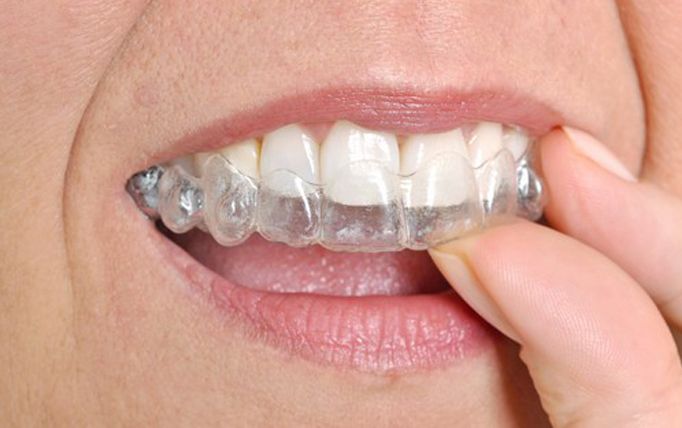
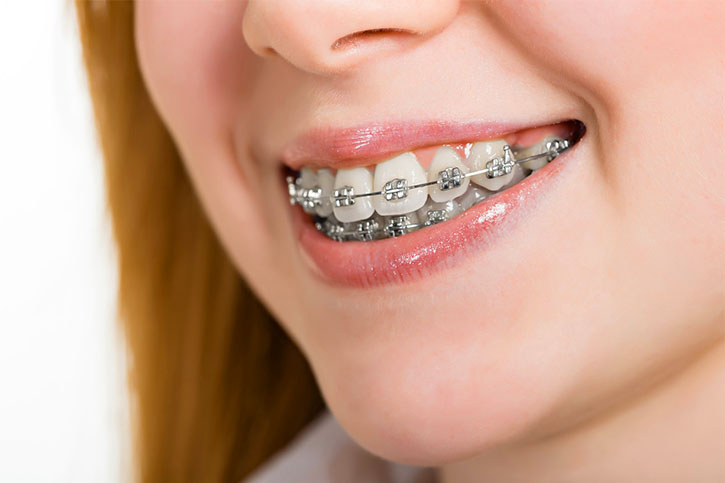
Mild jaw malocclusions can usually be corrected solely with orthodontic treatment (braces or clear aligners). However, when there are skeletal discrepancies (large positional differences caused by the jawbones themselves), simply moving the teeth is insufficient. This is where Orthognathic Surgery comes into play.
In most conventional treatment protocols, pre-surgical orthodontic preparation (Pre-surgical Orthodontics) is performed. This preparation aims to position the teeth so that they will meet properly when the jaws reach their ideal position after surgery. Innovative methods, such as the “Surgery First Approach (SFA)” that we use at OPC Clinic Kadıköy, can increase treatment time and patient comfort by prioritizing surgery in some suitable cases.
II. Who Can Undergo Orthognathic Surgery?
Orthognathic Surgery is generally performed on individuals aged 17-18 and older, when growth and development are largely complete. Ideal candidates are patients with skeletal jaw discrepancies that negatively impact their quality of life.
The following table summarizes the main skeletal problems and functional impairments experienced by Orthognathic Surgery candidates:
Orthognathic Surgery Candidate Profiles
OPC Clinic Expertise: Who is Eligible?
Suitable for treatment at OPC Clinic Kadıköy is determined by detailed clinical and radiological analyses (3D tomography, dental arch scans, facial photographs). Candidates are also expected to meet the following general requirements:
- Have no health problems that would prevent general anesthesia.
- Be willing to work harmoniously with the orthodontic and surgical teams throughout the treatment process.
- Be diligent in maintaining oral hygiene.
- Have realistic expectations of treatment.
III. What is the Purpose of Orthognathic Surgery? (Functional and Aesthetic Goals)
The primary goal of Orthognathic Surgery is to permanently improve the patient’s quality of life, both functionally and aesthetically.
A. Functional Goals
The surgery aims to permanently correct the following functional problems:
- Improved Chewing and Digestion: Proper occlusion of the teeth allows for more efficient grinding of food. This reduces the burden on the digestive system and improves nutritional quality.
- Correction of Speech Disorders: Speech problems such as lisping, particularly seen in open bites and Class III (progressive lower jaw) malocclusions, are largely eliminated by correcting jaw position.
- Improving Respiratory and Sleep Quality: In cases where the lower jaw is recessed (Class II), surgically moving the jaw forward prevents the tongue from falling back and widens the airway. This can be a life-saving solution, especially in the treatment of Obstructive Sleep Apnea (OSA).
- Temporomandibular Joint (TMJ) Health: Improper jaw position can overload the jaw joints, causing pain, clicking, and locking. Surgery alleviates or resolves TMJ problems by distributing this pressure to the ideal jaw position.
B. Aesthetic Aims
The jawbones form the foundation of the facial skeleton. Therefore, even the slightest change in jaw position creates dramatic improvements in facial profile and symmetry.
IV. Orthognathic Surgery Treatment Process and OPC Clinical Approach
Orthognathic Surgery treatment is a multidisciplinary and detailed process, generally consisting of three main phases. At OPC Clinic Kadıköy, we utilize digital technologies to ensure patient comfort and optimize outcomes at every stage of the treatment process.
A. Phase 1: Detailed Diagnosis and Digital Planning (OPC Clinic Difference)
Treatment begins with a joint examination between the Oral and Maxillofacial Surgeon and the Orthodontist.
- Data Collection: Panoramic X-rays, cephalometric X-rays, 3D Cone Beam Computed Tomography (CBCT), digital dental scans (instead of traditional impressions), and photographic records are obtained.
- Virtual Surgery Planning: This is the most important phase. Virtual surgery is performed on the captured 3D images in a computer environment. The new, ideal positions of the jaws are determined with millimeter precision.
- Surgical Guide (Splint) Production: Following virtual planning, personalized surgical guides (splints) that will be used to stabilize the jaws in the correct position during surgery are produced using 3D printers. This digital process increases the predictability and success rate of the surgery.
B. Stage 2: Orthodontic Preparation (Pre-surgical Orthodontics)
In the classical approach, the teeth are aligned with the jawbone using braces or clear aligners before surgery. This stage typically lasts 6 to 18 months.
C. Stage 3: SurgeryIntervention (Jaw Surgery)
Jaw surgery is performed by a specialist surgical team in a fully equipped hospital setting, under general anesthesia. The OPC Clinic team applies one or more of the following basic surgical techniques, depending on the patient’s needs:
Orthognathic Surgical Techniques
Important Note: All surgical incisions are usually made inside the mouth, leaving no visible scar on the face.
D. Stage 4: Post-Surgical Orthodontics and Recovery
After surgery, the jaws are held in a specific position until bone healing occurs (usually 4-8 weeks). Post-surgical orthodontics then begins. This final stage ensures that the teeth are fully locked into the new jaw position and the bite is perfected. This process can take approximately 6-12 months.
V. Orthognathic Surgery Advantages and Risks
As with any surgical procedure, Orthognathic Surgery has potential advantages and, although rare, risks that should be carefully considered.
A. Advantages of Orthognathic Surgery
- Permanent Results: Because the position of the skeleton, not the teeth, is corrected, the treatment results are lifelong.
- Improved Function: Chewing efficiency, speech, and respiratory functions are significantly improved.
- High Aesthetic Satisfaction: Positive changes in facial profile and symmetry increase the patient’s self-confidence and quality of social life.
- Sleep Apnea Solution: In severe cases of sleep apnea, surgery offers a permanent and effective solution.
B. Possible Risks and Complications
These risks are minimized with modern techniques and experienced surgical teams, but it is important to inform the patient:
- Sensory Changes (Numbness): Especially in lower jaw surgery, the nerves supplying the lower lip and chin (mental nerve) can be affected. This is usually temporary, but in rare cases, permanent numbness can occur.
- Infection and Bleeding: As with any surgical procedure, there is a risk of infection and bleeding.
- Relapse (Relapse): The jaws tend to return to their previous position. This risk is minimized with good surgical planning, stabilization (with plates and screws), and post-operative orthodontics.
- TMJ Problems: In rare cases, existing TMJ problems may worsen or new problems may arise after surgery.
VI. OPC Clinic Kadıköy: The Address of Trust and Experience in Orthognathic Surgery
Located in Kadıköy, one of Istanbul’s most central and accessible districts, OPC Clinic stands out with its specialized staff and advanced technological infrastructure in Orthognathic Surgery.
A. Why Choose OPC Clinic Kadıköy?
- Multidisciplinary Expertise: Our surgeons and orthodontists jointly manage treatment planning, providing the most integrated and personalized solutions.
- Digital Surgical Planning: We utilize 3D virtual planning and CAD/CAM technologies to maximize the predictability and accuracy of the treatment process.
- Surgery First Approach (SFA): In appropriate cases, we have experience with the SFA technique, which shortens total treatment time by integrating surgery into orthodontics and allowing patients to experience aesthetic changes earlier.
- Patient-Centered Process Management: Patient follow-up and information are meticulously provided from diagnosis to the end of the recovery process.
B. The Advantage of a Kadıköy Location
OPC Clinic‘s central location in Kadıköy, the heart of the Anatolian Side, offers easy access for patients from both Istanbul and beyond. You can easily reach our clinic for pre- and post-treatment follow-ups and manage your treatment process comfortably.
VII. Frequently Asked QuestionsFrequently Asked Questions (FAQ) and Detailed Information
Because orthognathic surgery is a significant decision, it is essential to address all questions patients may have. The most frequently asked questions and answers to the expert team at OPC Clinic Kadıköy are below:
FAQ Table
VIII. OPC Clinic Kadıköy for a Fresh Start
Orthognathic Surgery isn’t just about aligning your teeth; it’s about reshaping your life functionally and aesthetically. Reaching your full potential in chewing and speaking, improving your sleep quality, and creating harmonic changes in your facial profile are all valuable long-term outcomes.
If you’re looking to treat your skeletal jaw discrepancy in Kadıköy with the latest technology and an experienced, multidisciplinary team, we at OPC Clinic are ready to chart your personalized treatment path. Remember, a healthy bite and an aesthetically pleasing smile are the keys to a confident and quality life.
Schedule your free initial assessment at OPC Clinic Kadıköy and plan the first step toward improving your jaw health and aesthetics with our experts.