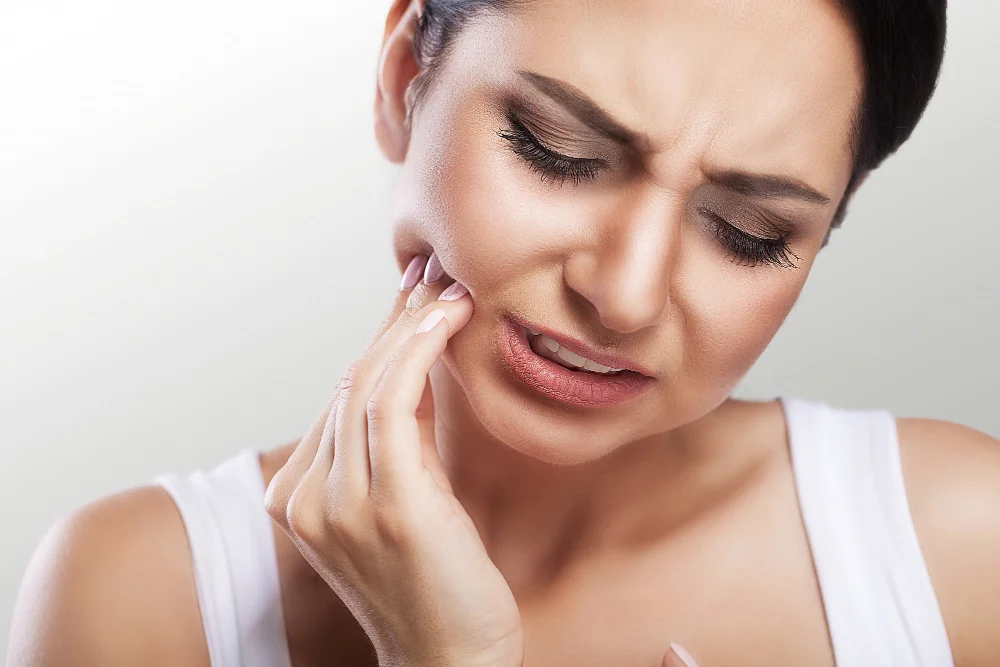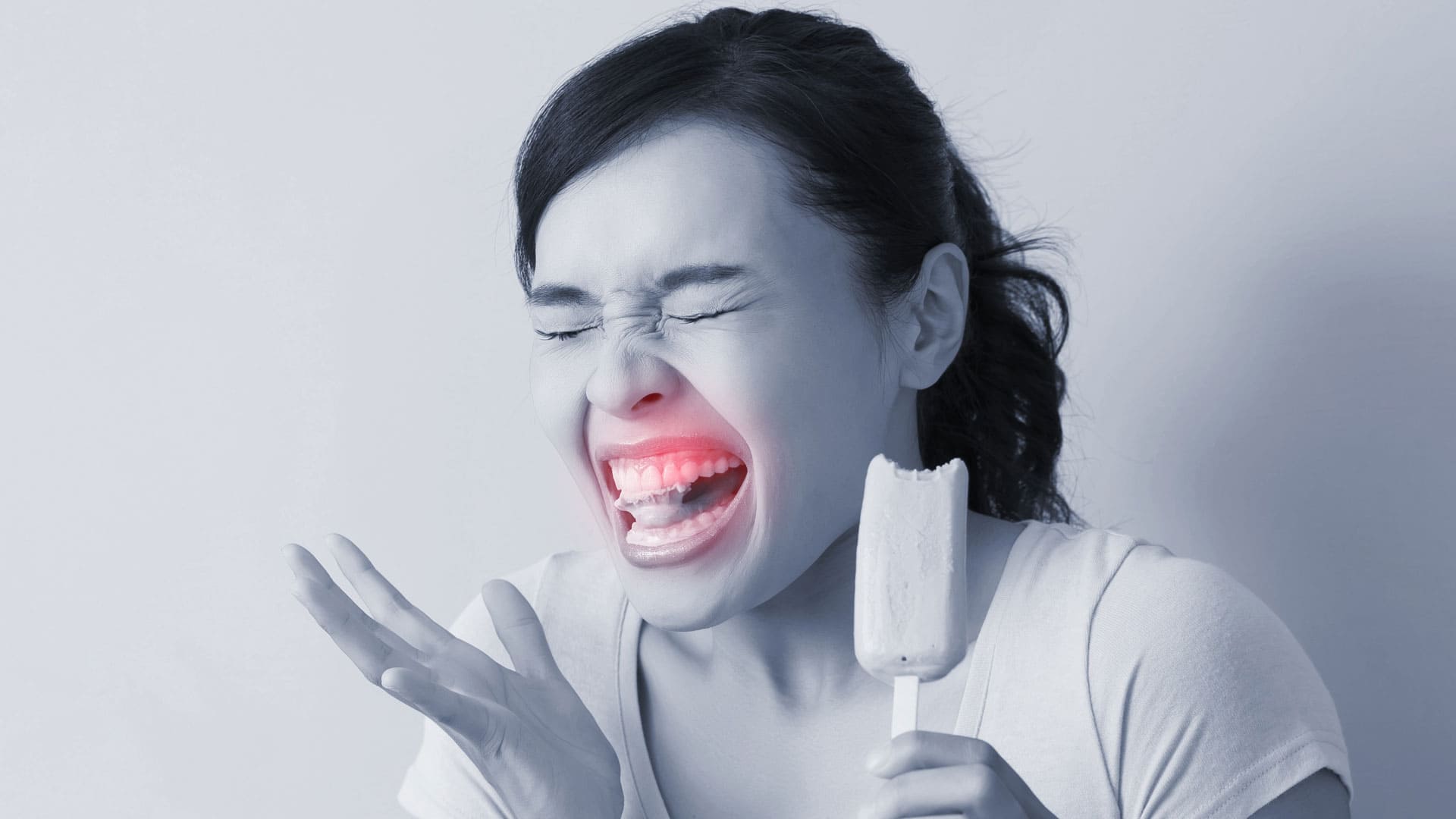
Tooth sensitivity has become an increasingly common oral and dental health problem. What is tooth sensitivity? A tingling sensation occurs in your teeth when you consume hot or cold foods and drinks. This condition is defined as tooth sensitivity.
Your teeth may ache or hurt, sometimes while eating or drinking, or sometimes for no reason. This is one of the most obvious signs of tooth sensitivity. A toothache usually indicates a cavity. However, the pain you feel in your tooth can sometimes be due to gum disease or sensitivity.
The tingling sensation in your teeth is usually caused by insufficiently strong tooth enamel. In fact, the enamel layer that forms the outer surface of your teeth is extremely durable. Over time, tooth enamel can lose its strength due to various health problems, bacteria in the mouth, and various other factors.
When tooth enamel is not sufficiently durable, cavities may not always occur. However, you may experience a tingling sensation in places while eating. You may feel the ache in your teeth increase when you consume sugary foods.
Sometimes, you may experience tooth sensitivity due to poor toothpaste or improper oral hygiene. It’s important to seek advice from dental professionals and follow the correct practice.
When it comes to oral and dental care, don’t listen to just anyone’s advice. Don’t accept every piece of information you find online as accurate; consult your dentist first. By attending regular dental checkups, you can take better care of your teeth.
You can now schedule an appointment with the dentists at OPC Clinic to have your tooth sensitivity treated.
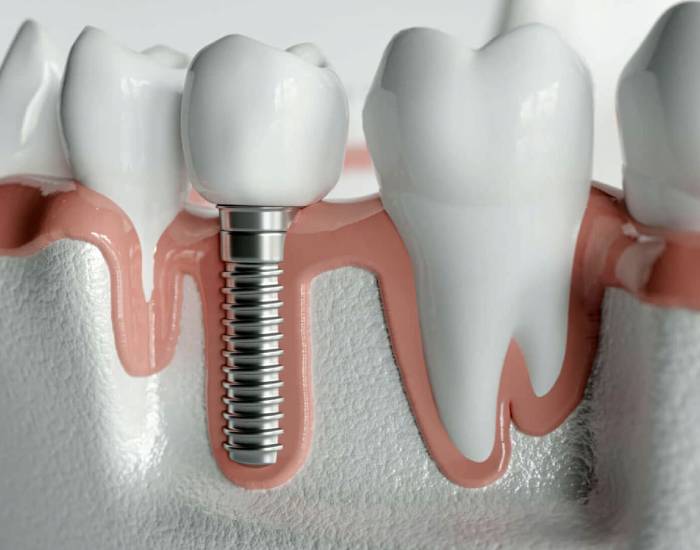
Teeth consist of three layers. The first is the enamel layer, the uppermost layer; the second is the dentin in the middle; and the third is the pulp, which contains the nerve tissue. When these two layers are damaged, tooth sensitivity can become inevitable. The two separate protective layers on the pulp can lose their protective properties due to the damage.
Sensitive teeth can often appear normal from the outside. However, due to cracks in the tooth, external heat and cold sensations can cause pain in the nerves. To manage this condition, you should consult a dentist and receive the necessary treatment. Additionally, there are measures you can take to combat tooth sensitivity on your own.
You can use toothpastes that are suitable for your dental health, are free of chemicals, and help protect your teeth. Brushing your teeth twice a day can help prevent the progression of sensitivity.
Some toothpastes with high whitening properties can cause erosion. Therefore, you can choose the toothpaste recommended by your dentist. To minimize cracks and prevent them from turning into cavities, you should not neglect your basic dental care.
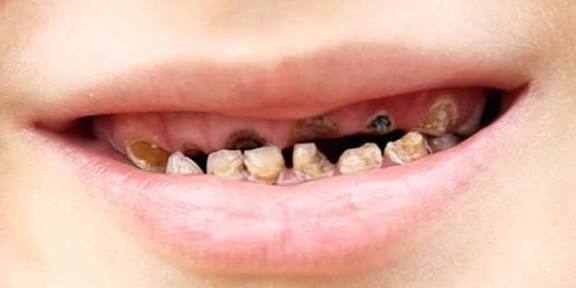
In some cases, tooth sensitivity can manifest as a tingling sensation caused by a cavity. Sensitivity, especially when eating sweets, can be a sign of a cavity. Sour and acidic foods can also cause tooth pain.
Alcohol and tobacco consumption are other factors that increase tooth sensitivity. Avoiding these substances helps strengthen healthy teeth. Adequate calcium intake and regular flossing can help prevent sensitivity.
 Tooth Sensitivity Causes and Risk Factors
Poor diet among the causes of tooth sensitivity and poor oral hygiene. In addition to some of the bad habits mentioned above, you may also experience toothaches due to the following reasons:
Why does tooth sensitivity occur?
- Not brushing your teeth properly,
- Not cleaning your cheeks, palate, and tongue adequately,
- Consuming acidic beverages,
- Eating sticky, sugary foods like jellybeans,
- Not brushing your teeth before going to bed,
- Not flossing,
- Not consuming enough calcium,
- Tooth sensitivity can occur due to the decreased bone tissue and tooth strength caused by some chronic conditions.
In addition, grinding your teeth and unconsciously clenching your teeth while sleeping or during the day can cause sensitivity. Don’t just ignore tooth sensitivity; you should take all dental problems seriously. This can help prevent tooth loss in the future.
A more balanced diet and more conscious oral hygiene can significantly reduce the risk of dental problems. By choosing a reliable oral health clinic, you can easily get the professional support you need.
Tooth Sensitivity Treatment Methods
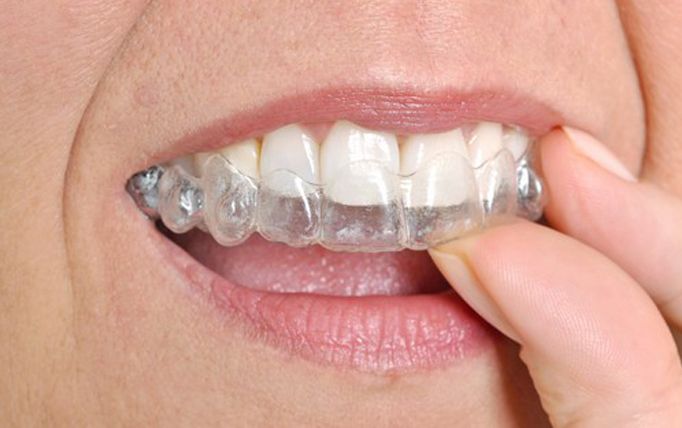
Before treating tooth sensitivity, it’s important to identify the cause of the sensitivity and discomfort. For example, if you experience sensitivity due to clenching your teeth, you can eliminate this problem by getting a night guard.
Your teeth may become sensitive due to inadequate oral care. You can reduce toothache with a thorough cleaning. You can prevent toothache by avoiding very cold and very hot foods.
Even if you can’t brush your teeth after eating fruits and sweet foods, you can rinse your mouth to prevent food acids from damaging your teeth. Treating sensitive teeth can require different procedures for each individual, as their health status, dietary habits, and immune system vary.
You can plan supportive treatment methods to strengthen teeth and reduce pain with your dentist. If you have sensitivity caused by a cavity, fillings and root canal treatment can significantly alleviate the discomfort you’re experiencing. When it comes to oral and dental problems, the sooner you seek help, the sooner you’ll find relief.
For example, if you can’t chew food properly due to a dental problem, it can make digestion difficult in your stomach, leading to stomach upset. Therefore, to chew properly with healthy teeth, you need to get rid of sensitivity as soon as possible.
 How to Relieve Tooth Sensitivity Pain?
Tooth sensitivity pain can first be alleviated by identifying and eliminating the problem. To achieve this, choose a dentist who is specialized in their field and receive treatment and supportive support for sensitivity.You can. Possible solutions for sensitive toothache treatment include:
- You should brush your teeth twice a day.
- You should avoid foods and drinks that increase tooth sensitivity (cola, soda, fruit juice, jelly beans, cookies, Turkish delight, etc.).
- You should avoid brushing your teeth with substances such as baking soda and teeth whitening powder.
- You should avoid teeth whitening products that are not recommended by a doctor or whose reliability you are unsure of.
- You should regularly use the medications recommended by your doctor during the treatment period.
Some products that you think will help your teeth can cause further damage. Therefore, it is advisable to choose brands recommended by dentists for teeth whitening and cleaning products.
Baking soda and whitening powders damage the outer layer of the teeth as they rub against them. Therefore, you should be careful to choose cleansers in the form of pastes and mouthwashes.