Orthognathic Surgery (Jaw Surgery) is a comprehensive treatment that offers the most definitive and permanent solution for correcting skeletal jaw discrepancies. This surgical intervention is not limited to a single day; rather, it is a multidisciplinary process encompassing months of meticulous preparation, the surgical procedure itself, and a detailed recovery/final phase.
At OPC Clinic, located in Istanbul’s popular Kadıköy district, we ensure our patients complete this important journey in the safest, most comfortable, and most predictable way. Our expert Oral and Maxillofacial Surgeons and Orthodontists work in complete harmony throughout the treatment, aiming to achieve lasting results that meet both your functional and aesthetic expectations.
I. Preoperative Preparation: The Foundation of a Successful Surgery
A large part of the success of Orthognathic Surgery lies in the stage preceding the surgery itself, namely the detailed diagnosis and planning. At Kadıköy OPC Clinic, we prioritize this stage and manage the process with advanced digital technologies. This preparation period can typically last 12 to 24 months (including orthodontic preparation), depending on the patient’s general health and the severity of the skeletal problem.
A. Step 1: Multidisciplinary Consultation and Diagnosis
- Initial Assessment: The patient meets with the Orthodontist and Oral and Maxillofacial Surgeon to share their complaints, expectations, and medical history.
- Clinical and Radiographic Records: For a detailed facial and jaw analysis, the following records are obtained:
- Panoramic and Cephalometric X-rays.
- 3D Cone Beam Computed Tomography (CBCT): Shows the three-dimensional structure of the jawbones, nerves, and vascular pathways in detail.
- Digital Intraoral Scanning (Impression): Provides precise digital modeling of the teeth (in the OPC Clinic, traditional, uncomfortable impressions are not necessary).
- Face and Smile Photographs.
B. Step 2: Digital Virtual Surgical Planning (OPC Clinic Expertise)
This stage is a rehearsal of the surgical procedure and is vital for a successful outcome. OPC Clinic Kadıköy specialists use the most advanced CAD/CAM software during this process:
- 3D Modeling: A precise model is created by combining all the patient’s anatomical data (bone structure, teeth) in a computer environment.
- Virtual Movement: The surgeon cuts the jawbones (Upper Jaw: Le Fort I Osteotomy, Lower Jaw: Sagittal Split Osteotomy) on this 3D model with millimeter precision and moves them to their new, ideal positions.
- Result Simulation: The patient’s postoperative facial profile and dental closure are visualized in a virtual environment. This establishes a clear expectation between the patient and the surgeon.
- Surgical Splint Production: Following virtual planning, custom-made surgical splints are produced using 3D printers, allowing the surgeon to stabilize the jaws in the exact planned position during surgery.
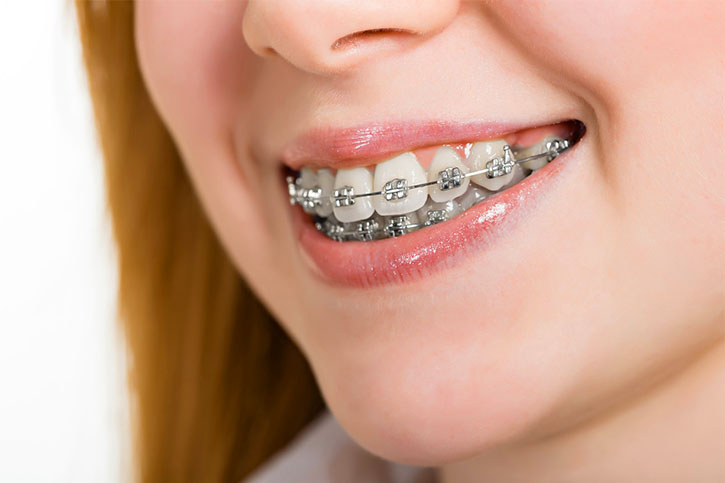
C. Step 3: Pre-Surgical Orthodontics (Pre-Surgical Preparation with Braces)
In most conventional protocols, orthodontic treatment begins before surgery. The primary purpose of this preparation, performed at the OPC Clinic, is:
- Balancing the Teeth: To bring teeth that have become crooked due to jaw disharmony into upright positions so they can meet properly in the new post-surgical jaw relationship. This may temporarily make the bite appear worse, but it is essential for the post-surgical outcome.
- Treatment Duration: This orthodontic preparation phase typically lasts 12 to 18 months.
OPC Clinic Alternative: Surgery First Approach (SFA)
In suitable patient groups, at the OPC Clinic, we aim to prioritize surgery (SFA) before orthodontic treatment, allowing patients to see aesthetic changes much sooner and reducing the total treatment time (usually 9-12 months shorter). This innovative approach requires advanced expertise and meticulous planning.
Preparation Steps Before Orthognathic Surgery
Stage II: Moving the Jaws to Their New Position
After the preparations are complete, the patient is ready for surgery. Orthognathic Surgery is performed under General Anesthesia in a fully equipped hospital environment.
A. Scope and Duration of the Surgery
- Anesthesia: The procedure is performed under general anesthesia for patient comfort.
- Surgical Team: The surgery is led by the Oral and Maxillofacial Surgeon, accompanied by an Anesthesiologist and other surgical nurses.
- Duration: Varies depending on the extent of the procedure:
- Single Jaw Surgery (Upper or lower jaw only): Approximately 2-3 hours.
- Double Jaw Surgery (Bimaxillary Osteotomy): Approximately 3-6 hours.
- Additional procedures such as Genioplasty (Chin Tip Surgery) may extend the duration.
B. Surgical Techniques and Procedure
The most important feature of Orthognathic Surgery is that almost all surgical incisions are made inside the mouth. This leaves no permanent or visible scar on the patient’s face.
- Making the Incisions: The surgeon makes incisions through the gums inside the mouth to access the jawbones.
- Osteotomy (Bone Cutting Procedure): The jawbones are carefully cut to achieve the planned new position.
- For the Upper Jaw (Maxilla): A Le Fort I Osteotomy is usually performed.
- For the Lower Jaw (Mandibula): A Sagittal Split Ramus Osteotomy (SSRO) is usually performed.
- Repositioning: Using the prepared surgical splint (guide plate), the cut bone fragments are meticulously moved to their ideal positions, which are predetermined in the virtual environment.
- Fixation: The repositioned bones are fixed using small titanium plates and screws, which are biocompatible and permanent in the body. This fixation allows the bones to heal properly in their new positions (rigid fixation).
- Closure: Intraoral incisions are closed with self-dissolving sutures.
C. Intraoperative Risk Management (OPC Clinic Assurance)
At the OPC Clinic, mapping nerve and vascular pathways using 3D planning is critical to minimizing perioperative risks. Especially in lower jaw surgery, utmost care is taken to protect the nerve (mental nerve) that provides sensation to the lower lip.
III. Postoperative Recovery and Completion
Following the completion of the surgery, the patient begins the process of adaptation to their new jaw and facial structure, or the recovery period. This period is directly related to the patient’s cooperation and adherence to the physician’s recommendations.
A. Early Recovery Period (First 2-4 Weeks)
After discharge from the hospital, early recovery continues at home.
- Hospital Stay: Patients are generally observed in the hospital for 1 to 3 days after surgery.
- Swelling (Edema) and Bruising: The most significant postoperative side effect is swelling. The most intense swelling occurs in the first 48-72 hours and is managed with ice compresses. Most of the swelling subsides within the first 2-3 weeks, but complete resolution may take several months.
- Diet: During this critical period for the jawbone to heal, a diet of soft, liquid, and pureed foods is essential (4-6 weeks). Chewing should be strictly avoided.
- Pain Management: Pain is usually easily controlled with prescription painkillers.
- Oral Hygiene: Maintaining good hygiene with the surgeon’s recommended mouthwashes and soft toothbrushes is critical to speed healing and prevent infection.
- Return to Work/School: Most patients can return to their normal activities after 2-4 weeks of rest after surgery.
B. Late Healing and Post-Surgical Orthodontic Period
Once bone healing at the surgical site has begun, the final phase of treatment begins.
- Post-Surgical Orthodontics: Approximately 4-8 weeks after surgery, when the jawbones have reached sufficient stability, the orthodontist begins fine adjustments. Light-weight wires or elastics are used during this process.
- Purpose: To ensure a complete and perfect occlusion of the teeth in the new jaw position.
- Duration: This final orthodontic phase usually lasts 6 to 12 months. At the end of this phase, the braces are removed.
C. Retention and Final Result
At the end of orthodontic treatment, the achieved sTo ensure a permanent result, the retention phase is initiated, which will maintain the current positions of the teeth.
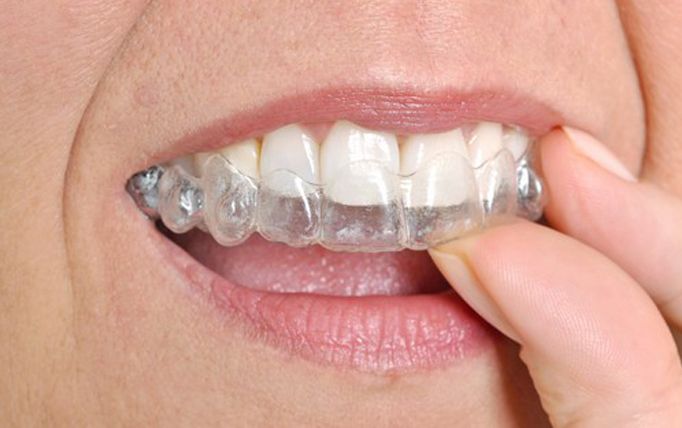
- Retention: Thin wires bonded to the back of the teeth (fixed retention) or clear aligners worn at night (removable retention) are used.
- Final Result: It usually takes 6 months after the entire procedure to fully establish the treatment functionally and aesthetically, and for the final results to be seen.
Postoperative Recovery Schedule (Average Times)
IV. OPC Clinic Kadıköy: A Patient Guide During the Treatment Process
Kadıköy OPC Clinic, located in the heart of Istanbul, offers its patients not only surgical services but also comprehensive guidance. A team is always by your side to support you at every stage of your treatment.
A. Preoperative Lifestyle Changes
OPC Clinic experts counsel their patients on the following issues before surgery:
- Smoking and Alcohol: They negatively affect wound healing, so they should be stopped at least 2 weeks before surgery.
- Medications: Medications such as blood thinners and some vitamin supplements should be discontinued for a specific period of time, as instructed by the surgeon.
- Diet: A trial of liquid/soft foods is recommended before surgery to adapt to a liquid diet after surgery.
B. Post-Surgery Considerations
These rules are vital for post-operative comfort and rapid recovery:
- Keeping the Head Elevated: Keeping the head higher than the heart while sleeping or resting helps the swelling subside more quickly.
- Physical Activity: Heavy lifting and strenuous sports should be avoided for the first 4-6 weeks.
- Chewing Prohibition: Harsh or forced chewing movements that could jeopardize bone healing should be strictly avoided.
- Checking Checkups: Surgical and orthodontic checkups must be performed in strict accordance with the established schedule.
V. The Perfect Harmony of Function and Aesthetics at Kadıköy OPC Clinic
The Orthognathic Surgery Process is a long-term, yet life-changing journey that radically changes your life in a positive way. This process not only permanently corrects the position of your jawbones, but also your chewing function, speech ability, and the aesthetic balance of your face.
At OPC Clinic, one of the most modern clinics in Kadıköy, Istanbul, we utilize cutting-edge digital planning techniques and the meticulous care of our experienced surgical team to make this process as safe and successful as possible.
If you are experiencing functional or aesthetic issues resulting from jaw misalignment, you can meet with the specialists at OPC Clinic Kadıköy to create a personalized treatment plan for you and confidently embark on this important journey toward a healthy and aesthetically pleasing smile.
Remember, at OPC Clinic, our goal is to meticulously plan the preoperative period, perform the procedure safely, and manage the postoperative period with your comfort in mind.