Baby teeth are important structures that form the foundation of a child’s oral and jaw health. They usually loosen and fall out naturally, under the pressure of the permanent teeth emerging from below. However, in some cases, this natural process can be interrupted, and a baby tooth extraction may become necessary. This can be alarming for parents, raising questions such as, “Is a baby tooth extraction necessary?” and “When should it be done?” Baby tooth extraction is a treatment method that can be performed not only in emergency situations but also to create space for healthy permanent teeth to erupt. Thanks to advancements in the modern field of pedodontics (children’s dentistry), this procedure can be transformed into a non-traumatic, painless, and comfortable experience for the child. At OPC Clinic, we explain in detail when baby tooth extraction is necessary in children and how this process should be managed in the safest way possible.
The Importance of Primary Teeth and the Necessity of Extraction
Baby teeth not only fulfill their chewing function, but also help children develop proper speech skills and, most importantly, act as space maintainers for the permanent teeth that will emerge. Primary teeth ensure that permanent teeth erupt in the correct position and at the right time. Despite this vital role, in some cases, leaving a tooth in the mouth can cause more harm than good, and extraction becomes necessary.
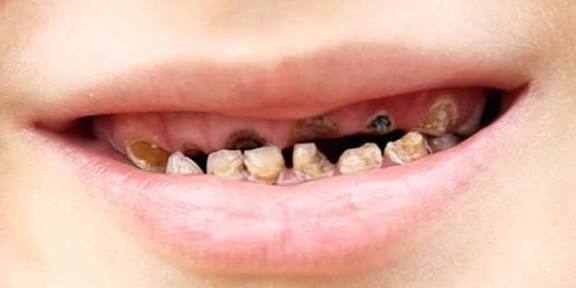
- Decay and Infection: If the decay in a primary tooth is so advanced that it cannot be saved with a filling or root canal treatment, and if the infection has spread to the root or surrounding tissues, extraction is unavoidable. A neglected infection can damage the development of permanent teeth or threaten overall health.
- Traumatic Damage: If a primary tooth is broken or displaced due to trauma such as an accident or a fall, the tooth may need to be extracted.
- Impacted and Impacted Permanent Teeth: When a permanent tooth begins to erupt before the underlying primary tooth has fallen out (a double row of teeth), the primary tooth must be extracted to create space for the permanent tooth to settle into its correct position.
- Orthodontic Reasons: In cases such as a narrow jaw, an orthodontist may plan to extract a primary tooth to prevent the eruption of permanent teeth from becoming crowded.
Timing of Primary Tooth Extraction: When and Why?
The timing of primary tooth extraction is determined by the goal of the treatment and the underlying cause. The ideal scenario is to wait for the primary tooth to fall out on its own. However, timely intervention in the following situations can prevent future oral health problems.
How is a Baby Tooth Extraction Performed?
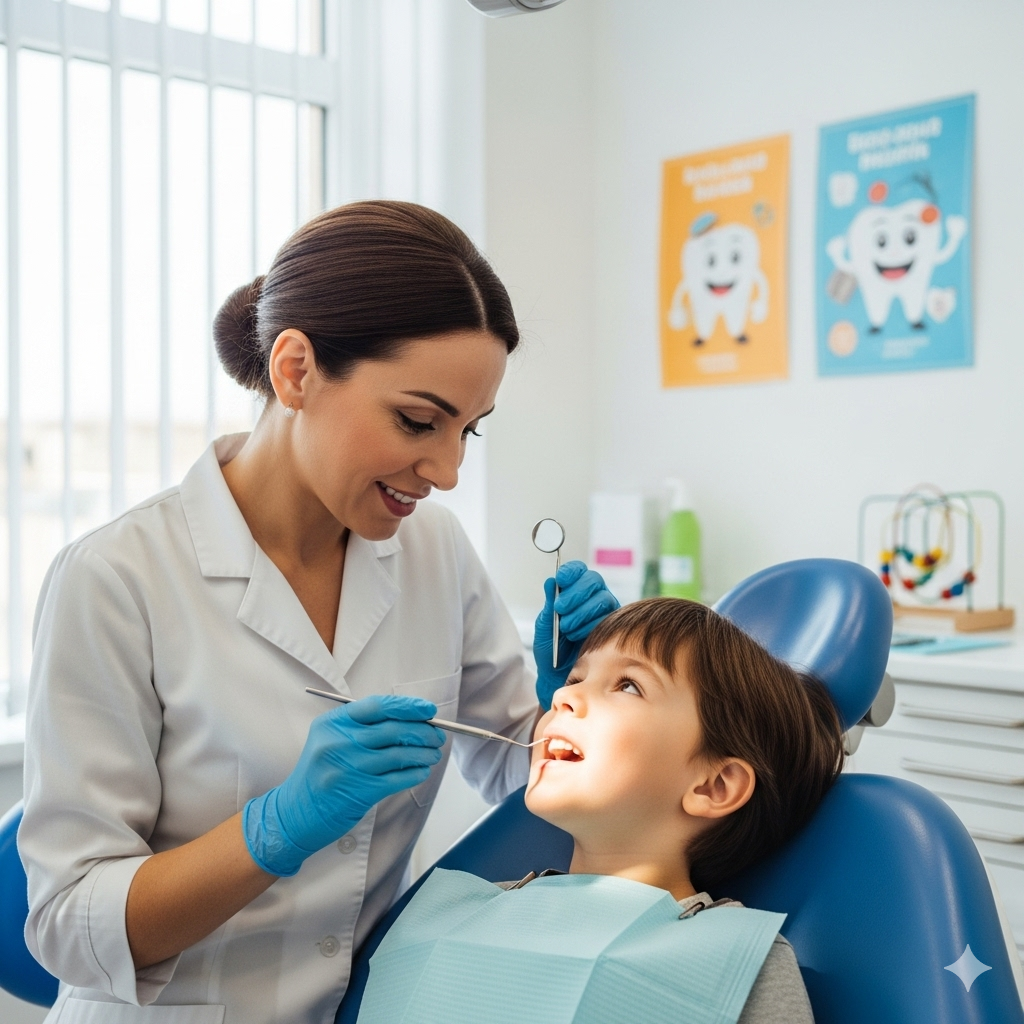
Baby tooth extraction in children requires a different approach than in adults. The procedure is planned with the child’s psychology and safety in mind.
- Psychological Preparation: The pediatric dentist talks with the child before the procedure, explaining the process in simple and understandable language. Positive words like “painless” and “magical” reduce the child’s fear.
- Anesthesia: To minimize pain during the procedure, a topical anesthetic (gel) is first applied to the area, followed by a local anesthetic.
- Extraction Procedure: Using special instruments, the dentist gently and quickly removes the loose or missing baby tooth. The procedure is usually straightforward, as the roots of primary teeth have already dissolved to make room for permanent teeth.
- Healing: After the extraction, a sterile gauze pad is placed in the extraction site to stop bleeding. The child bites on the pad briefly to help a clot form.
Post-Teeth Extraction Care
Proper care after primary tooth extraction accelerates the healing process and prevents potential complications.
- First 24 Hours:The child should avoid hard, spicy, or very hot foods for the first 24 hours after the extraction. To avoid problems with swallowing and speaking, it is recommended that they avoid eating for the first 2-3 hours after the procedure.
- Pain and Swelling: Mild pain and swelling are normal after the extraction. Pain relievers recommended by the dentist can be used, and an ice pack can be applied to the cheek area.
- Hygiene: The extraction area should not be brushed for the first day, and spitting should be avoided. Starting on the second day, gargles can be made with mouthwash or salt water.
- Eating Habits: Soft foods should be consumed, and foods should be chewed with the teeth opposite the extraction site.
OPC Clinic: Child-Centered Approach
At OPC Clinic, our top priority is to ensure that children’s dental experience is positive. Because procedures such as baby tooth extraction can trigger a child’s fear of the dentist in the future, we manage this process with particular care.
- Expert Pedodontists: Our clinic employs pedodontists (pediatric dentists) who specialize in child psychology. They establish a trusting relationship with children, ensuring that the procedure will not harm them.
- Play and Therapy Methods: We prepare children for the treatment in a fun and interactive way, helping them overcome their fears.
- Painless and Fast Procedures: Using the most modern anesthesia and extraction techniques, we complete the procedure painlessly and in the shortest possible time.
- Comprehensive Aftercare: We provide families with detailed written and verbal information about the child’s care and nutrition after the procedure.
Remember, a baby tooth extraction is not just the removal of a tooth. It is an important step towards your child’s future oral health. An extraction performed at the right time and by the right specialist ensures the healthy eruption of permanent teeth and preserves your child’s smile. At OPC Clinic, we stand by you and your child during this critical process.