The toothbrush is the most faithful yet often neglected hero of our daily oral hygiene. While many of us are careful to choose the most expensive toothpaste or the newest electric toothbrush, we often overlook when this essential tool has expired. However, a toothbrush that isn’t replaced regularly can become a risk factor for your oral health, rather than a clean one.
At OPC Clinic in Suadiye, Istanbul, we illuminate this critical hygiene rule, one of the most frequently asked questions by our modern and informed patients, with scientific data. The foundation of a healthy smile lies not only in brushing frequency but also in the effectiveness of the brush.
Here is our detailed guide, 100% SEO-friendly and exclusive to OPC Clinic, on why and when to replace your toothbrush.
Critical Threshold: Why Change Every 3 Months?
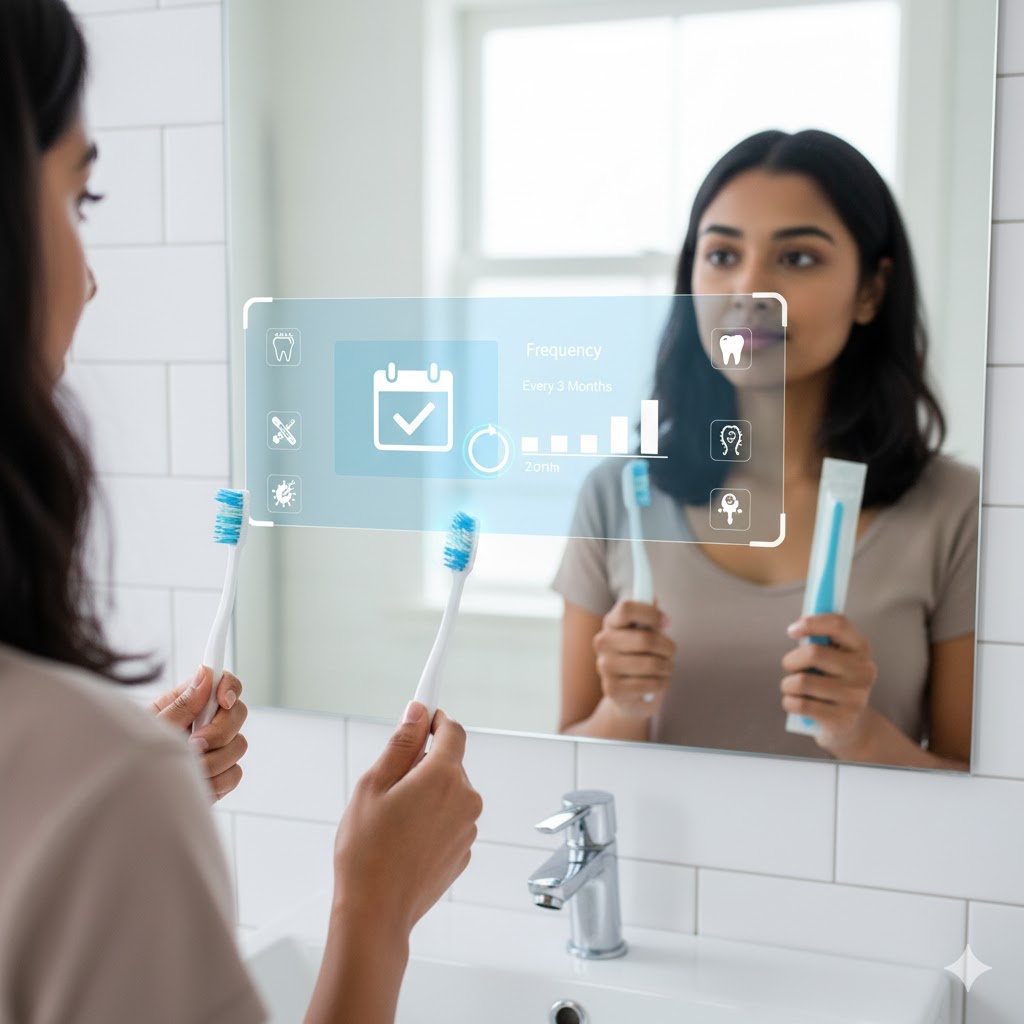
The general recommendation of dentists and authorities such as the American Dental Association (ADA) is to replace toothbrushes or electric brush heads at least every 3 months. This 90-day period is based on two main scientific reasons: Mechanical Wear and Bacterial Accumulation.
a. Loss of Mechanical Efficiency
The primary function of a toothbrush is to mechanically remove plaque and food particles from tooth surfaces.
- Bristle Deformation: Regular brushing (2 minutes twice a day) and the use of toothpaste degrade the structure of the bristles over time. After three months, the bristles lose their flexibility, spread out, bend, and “spread.”
- Decreased Cleaning Power: When bristles spread out, their ability to reach the interdental spaces, gumline, and uneven surfaces of back teeth decreases sharply. Brushing with a worn brush leads to ineffective cleaning, which accelerates plaque and tartar accumulation.
- Risk of Gum Trauma: Worn and sharpened bristles can put unnecessary pressure on the gums, causing gum recession.
b. Risk of Bacterial Accumulation and Infection
Toothbrushes stored in moist environments become ideal breeding grounds for bacteria, fungi, and other microorganisms in the mouth.
- Microbial Nest: The accumulated microbial load on the brush reaches alarming levels after 3 months.
- Re-Infection: Bacteria harbored in worn bristles are re-spread into the oral cavity with each brushing. This can lead to the progression of gingivitis and tooth decay.
Special Circumstances When You Should Replace Your Toothbrush Sooner
The standard 3-month rule may not always apply. OPC Clinic Suadiye Periodontists strongly recommend replacing your toothbrush immediately in the following special circumstances:
a. Visible Bristle Wear
If the bristles are splayed out, appear unkempt, or have changed color (some brushes have colored bristles that are half-reduced), the brush’s mechanical effectiveness is reduced. This could also be a sign that you’re brushing too hard.
b. Use After Illness
If you have any infectious illness, such as the flu, cold, strep throat, canker sores, or oral fungus, your toothbrush should be replaced immediately after recovery. Germs lingering on an old brush increase the risk of reinfection when your immune system is weakened.
c. More Frequent Changes in Children
Because children are just learning brushing techniques, they often apply more pressure and bite or chew on their brushes. This causes the bristles to wear out much faster than adults. Children’s toothbrushes should generally be replaced every two months or as soon as the bristles become deformed.
The Harmful Effects of Using an Old Toothbrush on Oral Health
A toothbrush that isn’t replaced promptly goes beyond simple neglect and can lead to serious health problems in the long run.
| Duration of Use | Main Problem | Effects on Teeth and Gums |
| After 3 Months | Decrease in Mechanical Efficiency | Increased plaque accumulation, risk of initial gingivitis. |
| After 4-5 Months | Severe Hair Deformation and Bacterial Load | Tooth enamel erosion, gingival recession due to trauma, increased risk of caries. |
| After 6 Months After | Infection and Hygiene Risk | Inadequate cleaning can lead to tartar buildup, increased risk of periodontitis (osteoporosis), and bad breath. |
Recommendations from OPC Clinic for Suadiye and the Surrounding Area
At OPC Clinic Suadiye, we recommend that our patients make toothbrush changes a routine.
- Periodic Reminder: Set an alarm on your phone or calendar for every 3 months.
- Brush Capacity: Always have a spare toothbrush or electric brush head ready.
- Checkup and Evaluation: At your annual routine dental checkup (recommended every 6 months at the OPC Clinic), bring your current toothbrush and get feedback from our Periodontist about your brushing technique. Wear can provide important clues about your brushing pressure.
Remember: Your oral and dental health is like the links in a chain. An old toothbrush, the weakest link in the chain, can nullify all the benefits of your regular brushing routine. For a healthy and lasting smile, make the simplest and most effective investment you can make by replacing your toothbrush at the right time.