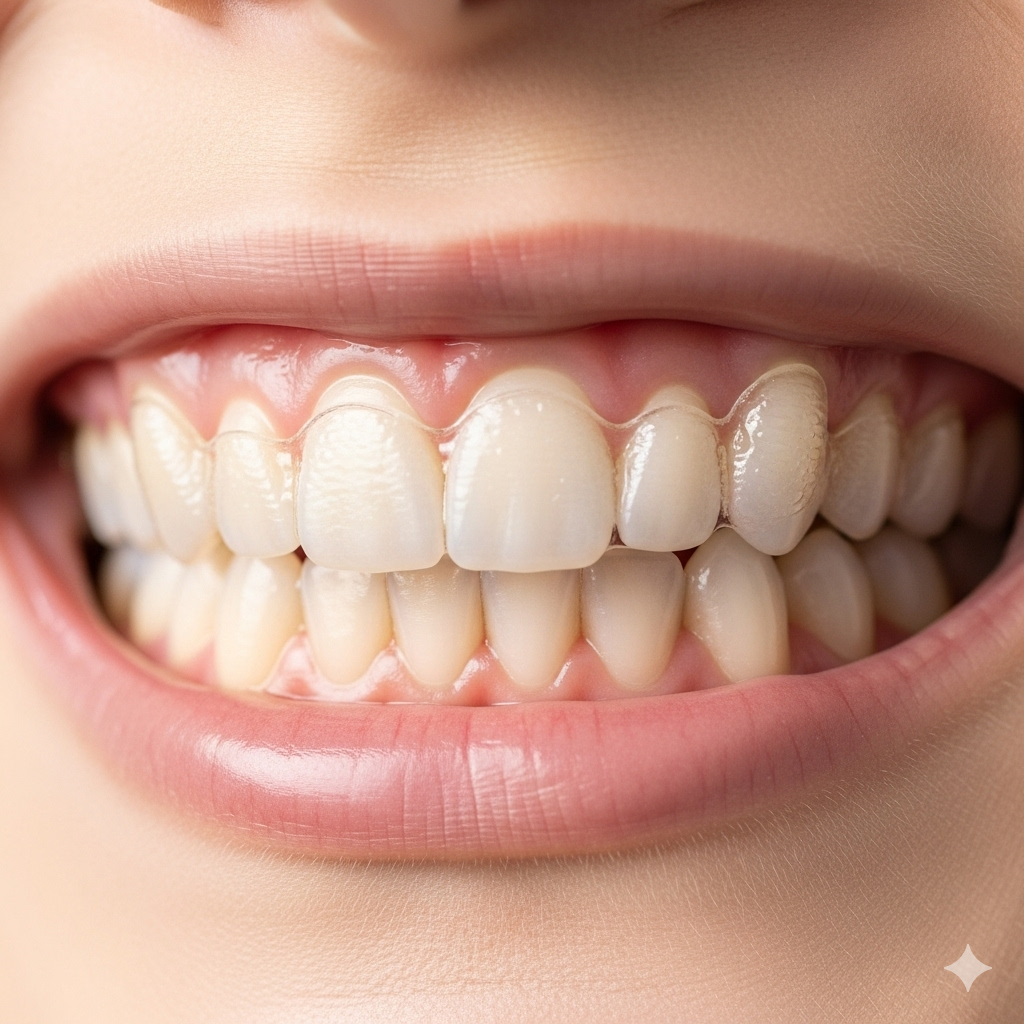
Invisalign, a treatment that stands out as an aesthetic and comfortable alternative to traditional braces, has rapidly gained popularity among those seeking to improve their smiles. At OPC Clinic, located in Kadıköy, Istanbul, one of the most common questions we receive from our patients is, “How long does this treatment take?” The duration of clear aligner treatment is a dynamic process that varies significantly from person to person. The total duration of treatment depends not only on the speed of tooth movement but also on many critical factors, including the complexity of the case, patient compliance with treatment, and the effectiveness of the advanced technologies used. This process is a personalized journey that can last from a few months to two years.
Average Duration and Dynamics of Clear Aligner Treatment
Clear aligner treatment often has the potential to last shorter than traditional braces; however, this depends on the nature of the case. According to the data obtained through detailed analyses performed at the OPC Clinic, treatment duration generally falls within the following ranges:
- Mild Cases (Simple Crowding or Gaps): These less complex corrections can generally be completed in as little as 3 to 6 months. These cases often involve only the aesthetic correction of the front teeth.
- Moderate Cases (Common Crowding and Mild Bite Problems): Moderate cases, which constitute the majority of patients, require a timeframe of 9 to 18 months.
- Difficult and Complex Cases (Severe Bite Defects, Jaw Problems): Complex cases requiring significant tooth movement or correction of jaw relationships may require 18 to 24 months. While this duration is similar to traditional orthodontic treatment times, the comfort advantage offered by clear aligners remains.
Critical Factors Directly Affecting Treatment Duration
The duration of clear aligner treatment depends not only on the orthodontist’s planning but also on the patient’s individual biology and discipline. The experts at the OPC Clinic in Kadıköy, Istanbul, carefully consider the following key factors when estimating treatment duration:
A. Case Complexity and Treatment Goals
The most important factor determining the duration of treatment is the current condition of the teeth and the difficulty of the desired movement.
- Type of Tooth Movement: Simple tilting movements occur more quickly than complex movements such as root manipulation or jaw expansion. If the goal is to correct malocclusion, the time required will be longer.
- Current Tooth Alignment: Closing the spaces between teeth (diastema) or correcting excessive crowding increases the number of aligners required and therefore the time required.
- Additional Procedures: In some cases, Interproximal Reduction (IPR) or the use of small attachments (attachments) on the teeth to accommodate tooth movement may also affect the planning time.
B. Patient Discipline and Duration of Wear
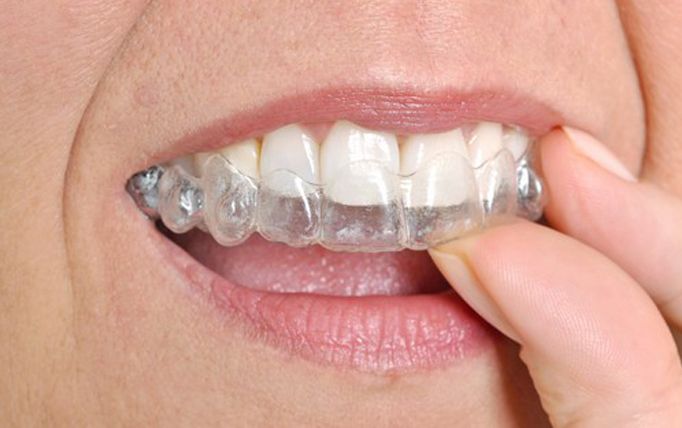
The success of clear aligner treatment depends almost entirely on the patient’s discipline in using the aligners. The aligners must apply consistent pressure to push the teeth into the targeted position.
- Usage Rules: Trays must be worn for at least 20 to 22 hours per day. They should only be removed when eating, drinking anything other than water, and brushing teeth.
- Mismatch Effect: If trays are not worn for a sufficient period, teeth cannot achieve the intended movement. In this case, the patient may not be able to switch to the next tray and may need to wear the same set of trays for a longer period. This can extend the treatment period by weeks or even months.
C. Individual Biological Response and Age
Everyone’s bone structure and metabolism are different. The rate at which teeth move within the surrounding bone is a unique biological process.
- Metabolic Rate: While tooth movement can generally occur more rapidly in young individuals with a fast metabolism, the rate of movement can slow down somewhat in adults due to greater bone density.
- Bone Quality: The structure of the jawbone and gum health determine how quickly and safely teeth can move.
OPC Clinical Approaches Optimizing Treatment Time
At our Kadıköy clinic, we utilize advanced technology and expert knowledge to make treatment times as short and efficient as possible for our patients.
A. Advanced Imaging and Planning Technologies
The iTero Element intraoral scanners and ClinCheck® software used in our center allow us to manage the treatment process with maximum precision from the very beginning.
- Precise Movement Prediction: ClinCheck predicts the movement of each tooth by millimeterIt eliminates unnecessary movements and pauses by planning the procedure in advance. This predictability reduces the need for “touch-up plates,” optimizing overall time.
- Early Detection: Digital scans performed during regular clinical check-ups allow us to immediately see whether tooth movement is progressing in the direction specified in the plan. Any deviation is detected early, and immediate intervention prevents loss of time.
B. Summary of Factors Affecting Treatment Duration
Retention (Protection) Phase: The Critical Process for Permanence
The most important point to remember is that treatment does not end with the completion of active tooth movement. The retention (protection) phase is essential for the teeth to adapt to their new positions and become permanent.
- Retention Phase Duration: This phase generally lasts a lifetime, but the first 1-2 years are critical.
- Retainers Used: At the OPC Clinic, a combination of fixed (thin wires bonded to the back of the teeth) and removable (such as Invisalign’s Vivera®, a special retention tray) retainers may be recommended.
The longevity of the beautiful smile achieved with clear aligner treatment depends on this retention phase, which prevents the teeth from returning to their previous positions (relapse).
In conclusion, there is no single answer to the question of how long clear aligner treatment lasts; however, at the OPC Clinic in Kadıköy, Istanbul, the process is successfully managed on average between 9 and 18 months, depending on the complexity of the case, the use of advanced technology, and the patient’s discipline. For the most accurate and precise time estimate, a detailed examination and digital planning with our orthodontist will create a personalized treatment roadmap for you. Are you ready to progress with transparency and comfort on your journey to achieving your dream smile?