In today’s world, phones and computers have become an integral part of our lives. However, the constant and misuse of these technological tools can lead to numerous physiological problems, ranging from eye health to neck pain. Another overlooked but increasingly common problem is the Temporomandibular Joint (TMJ) disorders. The TMJ is a complex joint that connects the lower jawbone to the skull and enables basic movements such as chewing and speaking. Constant and unconscious use of digital devices can increase the load on the jaw joint, leading to fatigue and dysfunction. This not only causes momentary pain but can also trigger serious health problems such as chronic headaches, teeth grinding, and even sleep disorders. As OPC Clinic, we aim to raise awareness of this new health threat brought about by the digital age and offer holistic solutions to our patients.
The Relationship Between TMJ and Postural Disorders
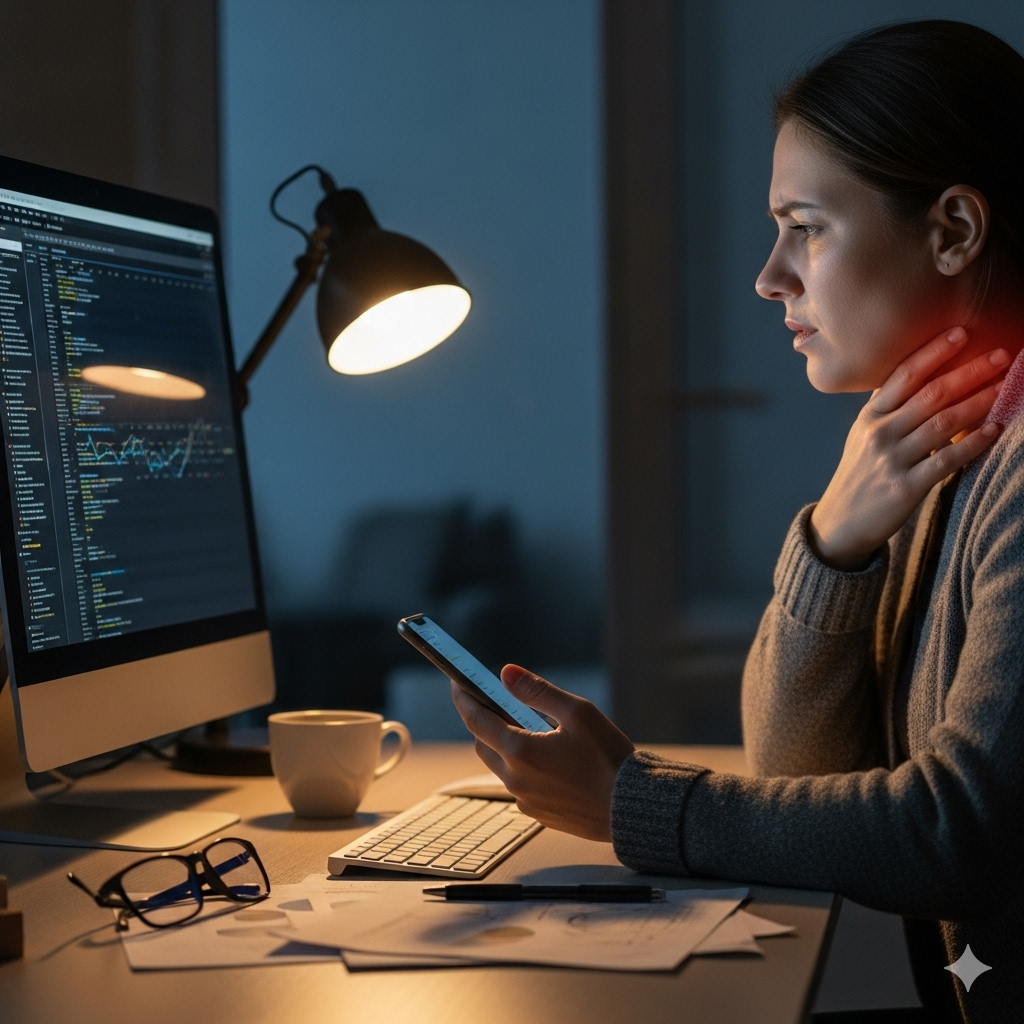
The jaw joint is connected not only to the head and neck muscles, but also to the entire spine. Forward head posture, often encountered during technology use, puts significant pressure on the jaw joint.
- Forward Head Posture: When we bend our heads forward to view our phones or computer screens, our neck muscles are under constant tension. This causes the neck and shoulder muscles to overwork to maintain head balance.
- Muscle Tension: This tension radiates to our chewing muscles (masseter and temporalis muscles), causing them to overcontract. Constant tension in the chewing muscles can cause dislocation of the jaw joint disc or inflammation of the joint.
- Mouth Position: When we focus on a screen, we tend to unconsciously thrust our lower jaw forward or clench our teeth (bruxism). These repetitive movements place abnormal stress on the TMJ.
Over time, this cycle can cause the jaw joint to become tired, sore, catch, and lock.
The Effects of Phone Use on the Jaw Joint
Phone use unknowingly brings with it many habits that negatively impact the jaw joint.
- Phone Holding: Talking with the phone between your shoulder and neck causes unbalanced tension in the neck muscles. This causes muscle spasm on one side and puts extra pressure on the jaw joint on the other.
- Texting and Scrolling: Constantly tilting our head down while texting or scrolling through social media strains the neck and shoulder muscles. This tension is reflected in the jaw joint, causing joint fatigue.
- Screen Light: Staring at phone screens at night exposes us to blue light, which disrupts sleep patterns. Insufficient sleep and lack of sleep increase the risk of bruxism (teeth grinding), which further strains the TMJ.
Effects of Computer Use on the Jaw Joint
Long hours spent in front of the computer are a primary source of TMJ fatigue, especially for office workers.
- Wrong Screen Position: Having the computer screen below eye level strains the neck muscles, creating tension that radiates to the TMJ.
- Focus and Tension: When you’re overly focused on your work or play, you may unknowingly clench your teeth or thrust your lower jaw forward. These parafunctional habits cause chronic stress on the jaw joint.
- Keyboard Use: Using the keyboard in the wrong position can cause tension in the shoulder and back muscles, which can transfer this tension to the jaw.
Symptoms and Prevention of Jaw Joint Fatigue
Jaw joint fatigue and problems caused by technology use often manifest as the following symptoms:
- Noises When Opening and Closing the Mouth: A clicking or clicking sound coming from the jaw joint.
- Closed Jaw: Difficulty opening or closing the mouth.
- Facial and Ear Pain: Facial pain or ringing in the ears due to tension in the jaw muscles.
- Teeth Wear: Tooth abrasion and sensitivity due to grinding (bruxism).
- Head and Neck Pain: Pain felt in the neck or temples in the morning.
Treatment and Preventive Steps: OPC Clinic’s Approach
At OPC Clinic, we offer a holistic approach to treating jaw joint fatigue and discomfort due to digital device use.
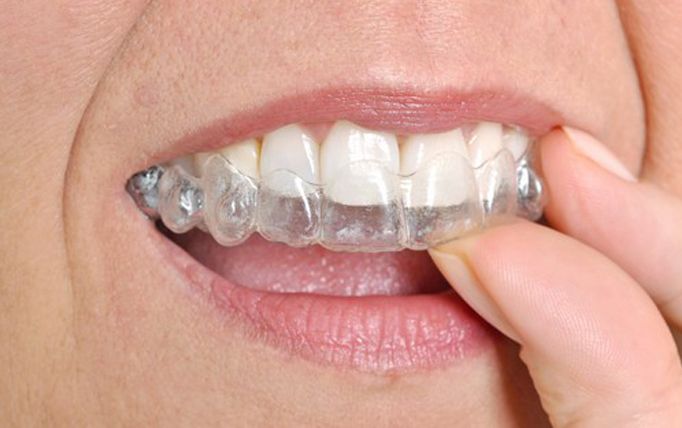
- Night Splint: A specially designed night splint is used in patients with a habit of clenching their teeth to reduce the load on the TMJ and prevent tooth wear.
- Botox for the Masseter: Botox for the Masseter can be applied to relieve pain and tension caused by excessive contraction of the chewing muscles. By reducing the muscle’s strength, Botox both relieves pain and slims the jawline.
- Ergonomic Adjustments: Our patients are counseled on ergonomic adjustments to ensure proper posture while using computers and phones.
Remember, the conveniences of modern life should not jeopardize your health. Identify your jaw joint fatigue and take preventative steps. At OPC Clinic, our expert team is ready to assist you with all your jaw joint health concerns.