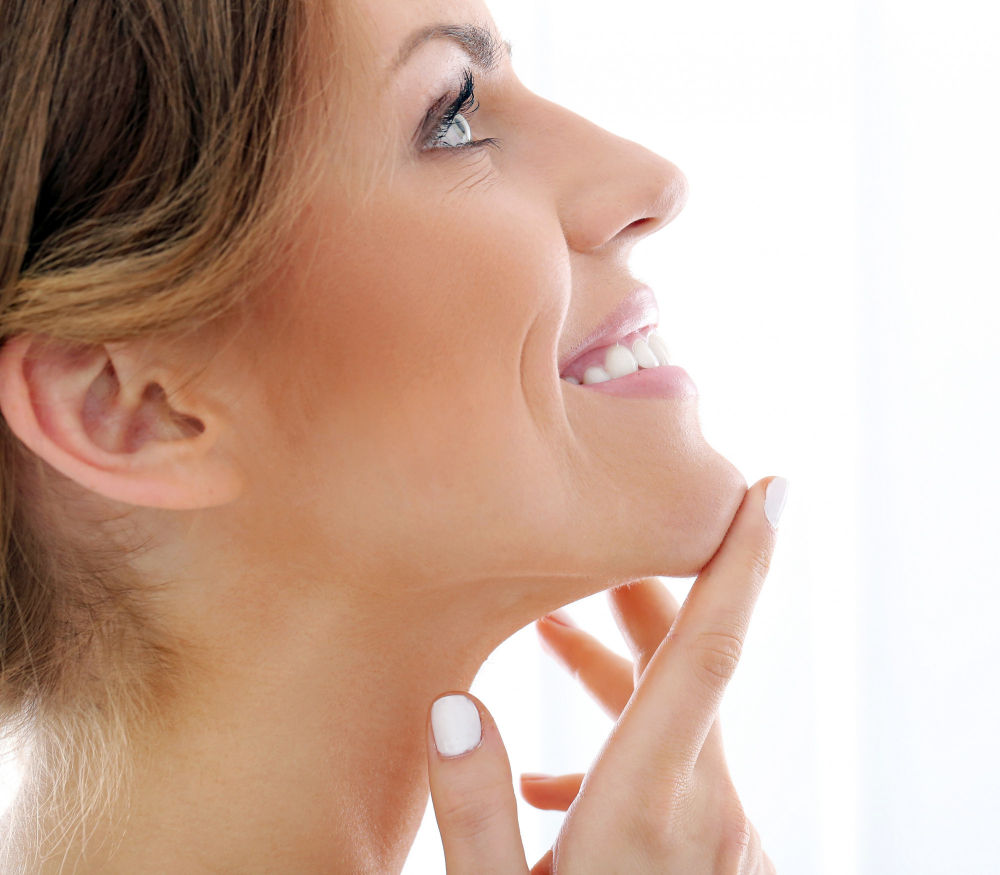
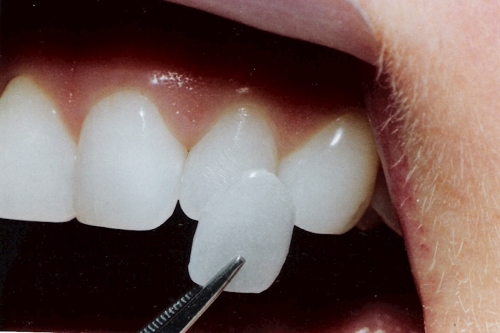
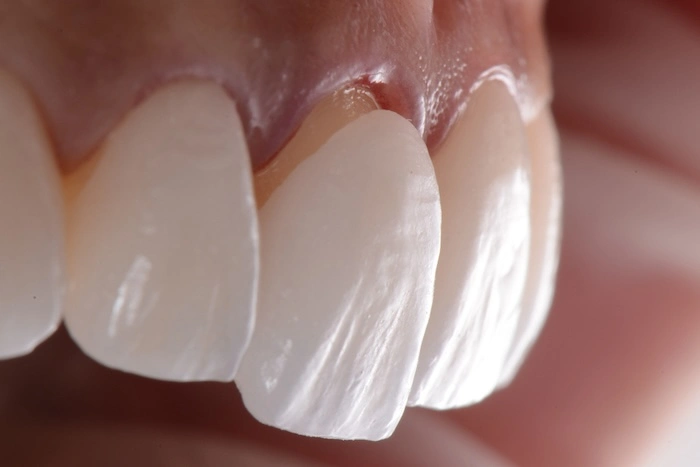
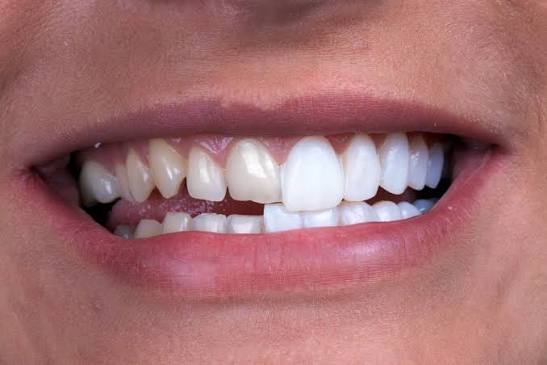
Orthognathic Surgery (Corrective Jaw Surgery) is more than just a simple teeth straightening procedure; it’s a comprehensive treatment that restores basic functions such as chewing and speaking by correcting skeletal misalignments between the upper and lower jaws, while also radically transforming the patient’s overall facial features and smile aesthetics. This surgery provides a lifelong positive transformation that directly improves patients’ quality of life and social self-confidence.
At OPC Clinic, located in Kadıköy, the heart of Istanbul, we are aware of this significant change and execute our surgical plans to maximize the natural, symmetrical, and aesthetic expectations of our patients, while also achieving the best functional results.
I. Orthognathic Surgery and Facial Aesthetics: The Soft Tissue Paradigm
The fundamental philosophy of orthognathic surgery is to align the jawbones (hard tissue) in their ideal skeletal position. However, the key element that visualizes the surgical outcome for the patient and creates the final appearance is the adaptation of the soft tissues (skin, muscle, fat, lips) overlying the bones to this new position. In modern surgery, this is referred to as the “Soft Tissue Paradigm.”
At the OPC Clinic, preoperative 3D imaging and digital simulations are used to precisely calculate estimated soft tissue changes corresponding to bone movement.
A. Aesthetic Disorders of Jaw Discrepancy
Pre-existing jaw discrepancies before surgery lead to significant aesthetic problems in the facial features:
- Retrognathia: A weak jawline, a receding lower lip, the nose and lips appearing larger than they are, and a loose appearance in the neck area.
- Prognathia: A prominent and dominant chin, a prominent lower lip, a “crossbite,” and often an inverted upper lip.
- Vertical Excess/Deficiency: A long or short facial appearance, a “gummy smile,” or no teeth at rest.
II. Radical Changes in Facial Features After Orthognathic Surgery
Depending on the type of surgery (single chin or double chin) and the direction of movement, the facial contours are reshaped.
1. Jawline and Menton
Orthognathic surgery is the procedure that most commonly affects the lower third of the face.
- Mandibular Advancement (Retrognathia Treatment): The jawbone is brought forward. This sharpens the angle of the neck and jaw, creating a more pronounced and aesthetically pleasing jawline. Profile appearance is immediately improved.
- Mandibular Recession (Prognathia Treatment): The dominant lower jaw is brought back. This movement softens the chin and balances the overall facial proportions.
2. Lips and the Nasolabial Angle
The movement of the jaws directly changes the position of the lips and the soft tissue surrounding the nose.
- Maximal Advancement: When the upper jaw moves forward, the base of the nose may also move forward and upward slightly. This can cause the nostrils to widen slightly (this is controlled with special suture techniques (cinch sutures) during surgery). Most importantly, the upper lip appears fuller and more supported.
- Maximal Recession: When the upper jaw is retracted, the base of the nose moves slightly backward, and the tip of the nose may become more prominent.
- Lip Closure: The difficulty in closing the lips (mental strain) caused by jaw disharmony is eliminated. The lips meet naturally and comfortably, even at rest.
3. Facial Symmetry
Asymmetrical jaw structures (for example, one side of the face is longer or wider than the other) are corrected surgically. When the bones are aligned to an ideal midline, differences between cheek contours and jaw angles disappear, resulting in a more balanced symmetry of the face.
III. The Perfect Transformation in the Smile After Orthognathic Surgery
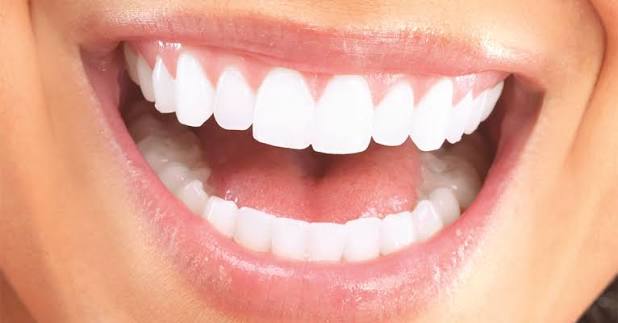
Smile aesthetics depend on many factors, from the closure of the teeth to the extent to which the lips reveal the teeth. Orthognathic surgery optimizes all of these factors.
A. Orthodontic and Surgical Occlusion
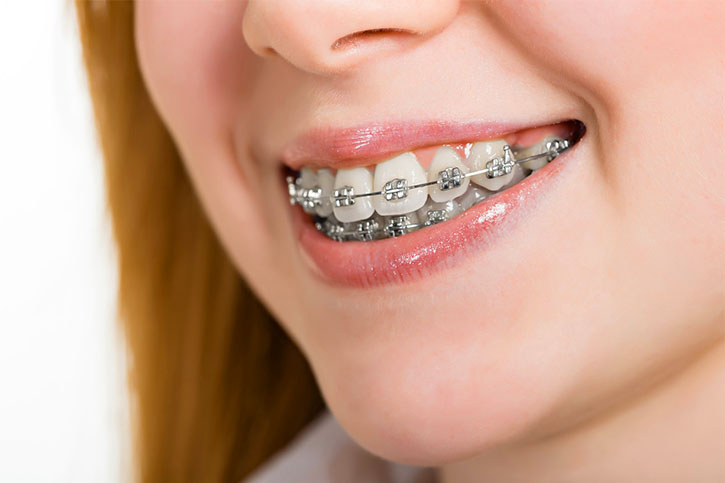
Pre- and post-surgical orthodontic treatment ensures perfect occlusion of the teeth in the new jaw position. Perfect occlusion is the most fundamental aesthetic element of a smile.
B. Gummy Smile Treatment
Excessive gum display during smiling due to vertical excess of the upper jaw (long upper jaw) is permanently corrected by lifting the upper jaw. This makes the smile much more aesthetically pleasing and attractive.
C. Tooth Visibility (Incisor Show)
- At Rest: In patients with receding upper jaws, the upper front teeth were not sufficiently visible during speaking or resting. With surgery, when the upper jaw is brought into the ideal position, some of the upper front teeth are naturally visible when the lips are slightly parted.r, which gives the face a youthful and vibrant expression.
- Smile: Thanks to the new harmony of the lips and teeth, the smile arch becomes parallel to the jawline, displaying the teeth with maximum aesthetics.
Summary of Soft Tissue Changes by Surgery Type
IV. Final Result and Psychological Effects: OPC Clinical Difference
This significant facial change positively affects both the individual’s appearance and inner world.
A. Recovery and Adaptation Period
Post-surgery facial swelling (edema):
- Early Period (First Month): Most of the swelling subsides (70-80%). Facial features begin to become more defined.
- Mid-Term (3-6 Months): Remaining persistent swelling and edema resolve. Soft tissue adaptation accelerates.
- Final Result (6-12 Months): The final aesthetic result becomes fully apparent as the soft tissue fully integrates into the new bone structure and nerve and muscle functions fully return to normal.
B. Self-Confidence and Quality of Life
Orthognathic surgery eliminates the social anxieties that patients experience due to dental and jaw problems. In addition to functional relief, an improvement in aesthetic appearance:
- Social Interaction: Patients are encouraged to smile, speak with confidence, and enjoy taking photos.
- Quality of Life: Improved chewing, speaking, and breathing (sleep apnea treatment) functions significantly improve overall health and quality of life.
V. OPC Clinic Kadıköy: Digital Planning and Aesthetic Guarantee
At the Kadıköy OPC Clinic, we utilize cutting-edge technologies to ensure the highest level of aesthetic outcomes for our patients:
- 3D Virtual Surgical Planning: Before surgery, jaw movements are planned with millimeter precision using facial photographs, jaw CT scans, and dental models. Patients can preview their postoperative profile and smile appearance.
- Multidisciplinary Approach: The joint planning between an Oral and Maxillofacial Surgeon and an Orthodontist ensures optimal function and aesthetics.
- Soft Tissue Management: Aesthetic suture techniques (cinch suture, V-Y plasty) are routinely applied during surgery to prevent potential side effects such as nasal base widening.
Orthognathic Surgery is not just a treatment for your teeth and jaw; it is a comprehensive art that harmonizes, balances, and aesthetically optimizes your entire face. With the expertise and experience of OPC Clinic Kadıköy, you can confidently embark on this transformation journey.
Remember, a well-planned Orthognathic Surgery is the key not only to a healthy bite but also to a natural and confident smile that suits you.