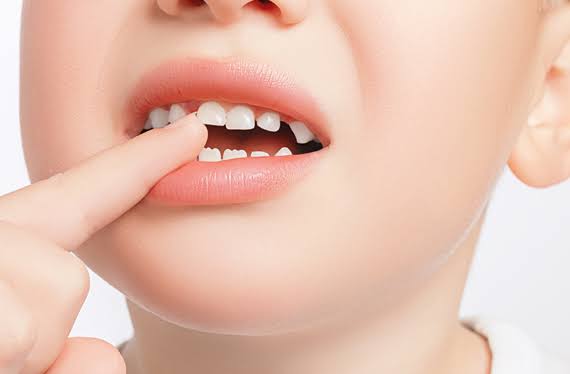
Neglected baby teeth, fearing they’ll “fall out anyway,” can undermine your child’s future healthy smile and jaw structure. For conscientious parents in the Suadiye and Kozyatağı areas of Istanbul, the role of baby teeth isn’t limited to chewing and speaking; they also act as “guideposts” and “space maintainers” for the permanent teeth that will emerge.
At OPC Clinic Pedodontics Center, we understand that maintaining healthy baby teeth is crucial for permanent teeth to erupt in the correct position without crowding. Any problems with baby teeth can trigger a chain reaction, leading to permanent damage or the need for orthodontic treatment.
In this comprehensive blog post, we will examine the critical effects of baby teeth on permanent teeth using scientific and practical pedodontic approaches and share OPC Clinic’s specific strategies for managing these risks in Suadiye.
Mechanical Effect: Space-Retaining Function and Risk of Crowding
The most important effect of primary teeth on permanent teeth is that they maintain the space they occupy in the mouth, ensuring a pathway for the eruption of the permanent teeth that emerge from below.
a. The Chain Reaction of Premature Loss
If a primary tooth is lost before its natural time of shedding due to decay, trauma, or infection, this triggers a series of problems:
- Closing the Space: The adjacent teeth next to the lost tooth shift into the space created by chewing forces, narrowing the space.
- Eruption Obstacle: The narrowing of the space eliminates the space for the emerging permanent tooth to erupt. The permanent tooth either attempts to erupt from an incorrect position (outside the tooth row) or becomes impacted within the jawbone.
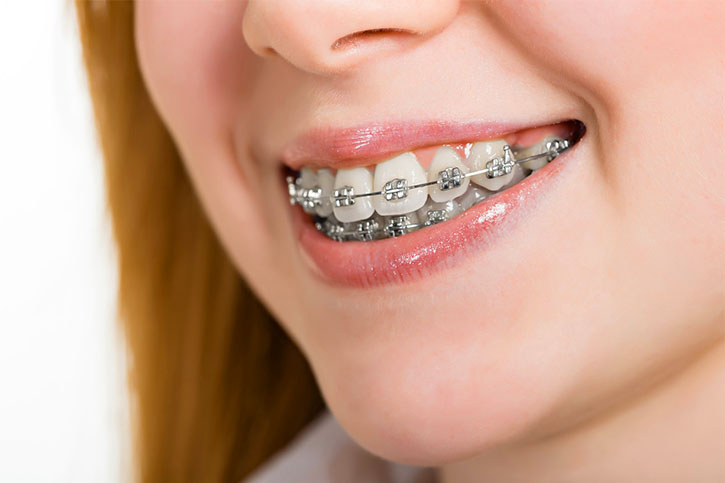
- Permanent Crowding: Permanent teeth that erupt from an incorrect position create serious crowding. This necessitates long-term and costly orthodontic treatments (braces).
b. OPC Clinic Solution: Space Maintainers
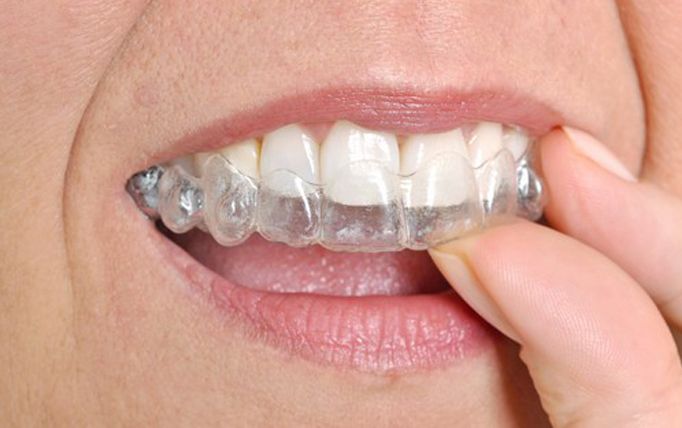
At OPC Clinic Suadiye, our pediatric dentists plan and apply personalized Space Maintainers for each prematurely lost primary tooth.
- Purpose: To actively maintain the space for the permanent tooth to erupt by preventing the shifting of adjacent teeth.
- Result: To significantly reduce the risk of crowding and either completely eliminate the child’s need for future orthodontic treatment or significantly shorten the treatment period.
2. Biological Effect: Infection Transmission to the Permanent Tooth Bud
The root tips of primary teeth are very close to the permanent tooth buds (extensions) developing directly beneath them. This proximity makes the risk of infection vital.
a. The Unseen Danger of Decay
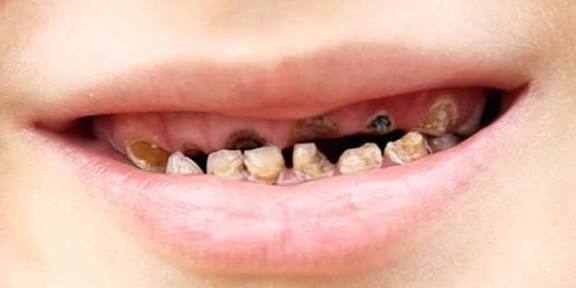
Untreated primary tooth decay that progresses to the nerve can cause an abscess and infection at the root tip.
- Permanent Damage to Permanent Teeth: This infection can infiltrate the bud of the permanent tooth just below the tooth root during the formation of its enamel. Chronic inflammation of the infection causes permanent damage to the permanent tooth’s enamel and structural deformities (staining, enamel hypoplasia, and deformity).
- Turner Tooth: Permanent lesions caused by this type of infection are known in the literature as “Turner Tooth” and cause permanent aesthetic and functional problems.
b. OPC Clinic Preventive Medicine Approach
At the OPC Clinic, primary tooth decay is taken seriously and treated before the risk of infection arises. Even if the decay reaches the nerve, Pediatric Root Canal Treatment (Pulpotomy/Pulpectomy) is performed to ensure the tooth remains in the mouth.
- Goal: To keep the primary tooth healthy and infection-free until it falls out, thus protecting the underlying permanent tooth bud from biological damage.
Functional and Psychological Impact: Jaw Development and Self-Esteem
The health of primary teeth affects not only tooth alignment but also the child’s overall development and psychology.
a. Jaw Development and Nutrition
Healthy primary teeth enable the child to chew and digest solid foods effectively.
- Inadequate Chewing: Inadequate chewing due to painful or decayed primary teeth can affect a child’s food choices and reduce the natural stimulation of the jawbone.
- Deterioration of Jaw Structure: This lack of chewing function negatively affects the ideal and symmetrical development of the jawbones, paving the way for malocclusions in the future.
b. Speech and Self-Confidence
Baby teeth, especially in the front area, are critical for the correct pronunciation of certain sounds (s, z, t, d).
- Speech Disorders: Decay or premature loss of front teeth can cause speech disorders.
- Psychological Impact: Decayed, broken, or lesioned teeth can cause children to be seen unfavorably among their peers.It causes the child to feel inferior, hide their smile, and lose social self-confidence.
Main Effects of Primary Teeth on Permanent Teeth
| Results of Maintaining a Healthy Primary Tooth | Results of Early Loss/Decay of a Primary Tooth |
| Proper Eruption of a Permanent Tooth | Risk of Impaction/Crooked Eruption of a Permanent Tooth |
| Absence of Enamel Structural Defects in a Permanent Tooth | Turner Tooth (Permanent Stain/Deformity) in a Permanent Tooth Risk |
| Symmetrical Development of Jawbones | Malfunctions and Asymmetrical Jaw Development |
| Reduced Need for Future Orthodontic Treatment | Necessity for Comprehensive and Long-Term Orthodontic Treatment |
Conclusion: Baby teeth may be “temporary,” but the consequences of decisions regarding their health are permanent. OPC Clinical Pedodontics Center, with its staff specialized in pediatric dentistry in Suadiye, aims to protect your child’s baby teeth and give them not only a healthy but also a confident smile in the future. Neglecting baby teeth poses a significant risk to the health and alignment of permanent teeth. Eliminate these risks with regular 6-month Pedodontic check-ups.