How Common Are Jaw Cysts and Tumors?
As you walk along Istanbul’s crowded streets, would you be surprised if we told you that at least 5 out of every 100 people passing by have a silently growing cyst in their jaw? When most people hear the words “tumor” or “cyst,” they think of something extremely rare, an unlikely disaster. However, in dental clinics—especially in metropolises like Istanbul with high patient circulation—jaw cysts have become almost as routinely encountered as dental caries.
General Overview: The Invisible Part of the Iceberg
First, let’s start with a reassuring scientific fact: The vast majority of pathological formations seen in the jawbones (approximately 90–95%) are benign cysts. Malignant tumors or cancers are quite rare in the jaw region.
However, this is where the concept of “prevalence” comes into play. Jaw cysts are seen much more frequently in the jawbones compared to other bones of the body. The reason is that “embryological remnants” left over from the tooth development process become trapped within the jawbone. Since no other bone in the body forms a complex structure like teeth, the jaws are biologically predisposed to cyst formation.
📊 What Do the Data Say?
According to studies, in approximately 7–10 out of every 100 patients who attend a routine dental examination, a small or large jaw cyst or suspicious lesion—of which the patient is unaware—is detected. This rate is even higher in populations with neglected oral hygiene.
Most Common Types of Cysts and Their Rates
The distribution of cyst cases entering the doors of a Maxillofacial Surgery clinic in Istanbul is generally as follows:
- 1. Radicular Cyst (50% – 60%)
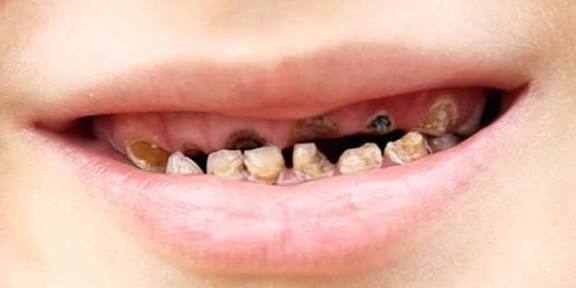
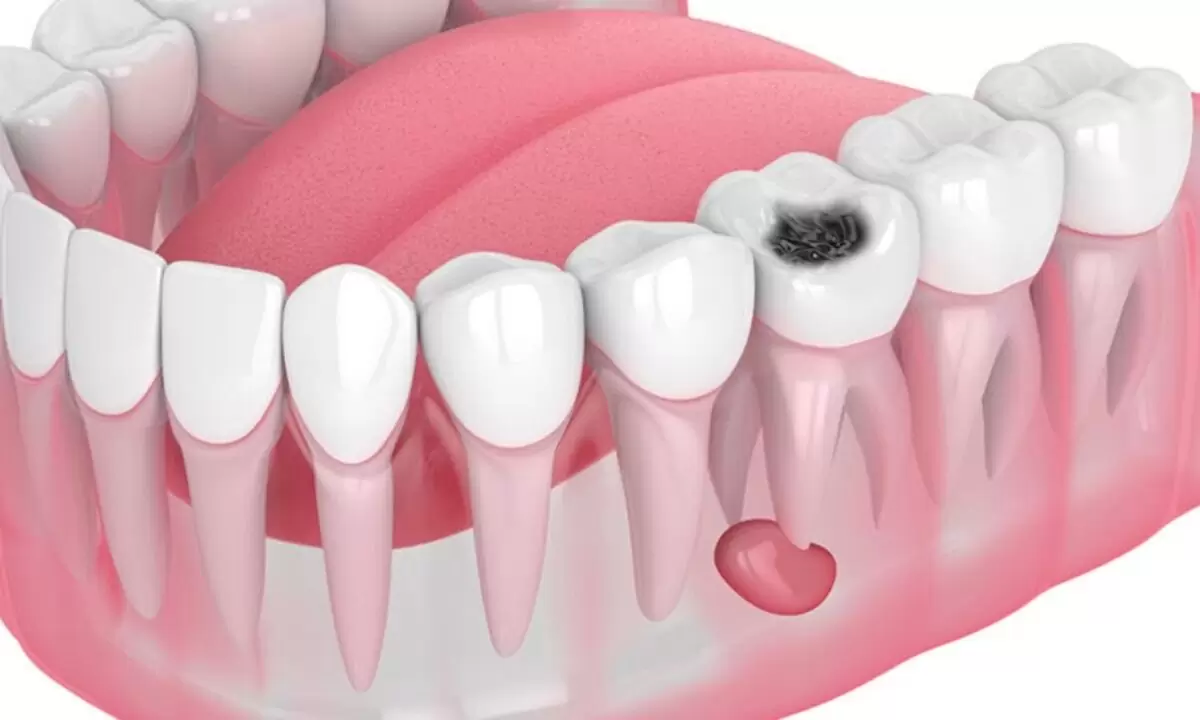
Undoubtedly the most common type. Its cause is purely “neglect.” It forms at the root tip of teeth that are decayed, have lost vitality, and have not undergone root canal treatment. In other words, anyone with deep dental caries is a potential cyst carrier. It peaks in the 20–50 age range. - 2. Dentigerous Cyst (20% – 24%)
Ranks second. It forms when fluid accumulates in the follicular sac surrounding impacted teeth (especially wisdom teeth). It is one of the most common reasons for surgery among the young population (18–30 years) in Istanbul. - 3. Odontogenic Keratocyst (10% – 12%)
Less common, but the most feared cyst. This is because it has a genetic origin, grows very rapidly, and carries a high risk of recurrence after surgery. It is frequently seen in individuals aged 20–30.
How Common Are Jaw Tumors?
Although the word “tumor” is frightening, most tumors of the jawbone (odontogenic tumors) are benign. They are rarer than cysts.
- Odontoma: The most commonly seen tumor (actually a developmental anomaly). It is usually detected in children and young people due to delayed tooth eruption. It is completely harmless.
- Ameloblastoma: The most common “true” jaw tumor. Its prevalence is not one in a million; it is frequently encountered in major maxillofacial surgery clinics. It grows slowly but causes significant destruction of the bone (aggressive). If neglected, it may require removal of half of the jaw.
Demographic Distribution: Who Is at Risk?
Do cysts and tumors “discriminate”? According to statistics, yes—certain groups are at higher risk:
| Factor | Risk Group and Statistical Trend |
|---|---|
| Gender | They are seen slightly more frequently in men than in women (especially radicular cysts, due to trauma and neglect). |
| Age (Cysts) | Most commonly seen between the ages of 30–50. However, dentigerous cysts are common in the 20s. |
| Age (Tumors) | Tumors such as ameloblastoma are generally diagnosed in individuals aged 40 and above. |
| Location | The lower jaw (mandible) is 2–3 times more prone to cyst and tumor formation than the upper jaw. The wisdom tooth region, in particular, is like a “nest for cysts.” |
📍 Why Does Istanbul Appear Like a “Case Center”?
There are two main reasons why jaw cyst cases are heard about so frequently in Istanbul:
1. Population Density and Stress: Neglected dental caries and stress-related teeth grinding trigger cyst formation.
2. Advanced Diagnostic Capabilities: Istanbul has the most advanced imaging centers in Turkey (3D Dental Tomography). Small cysts that could not be seen on conventional X-rays in the past are now detected at an early stage. While this may create the perception that “case numbers have increased,” in reality, the detection rate has increased.
When Should You See a Doctor?
Jaw cysts and tumors progress insidiously. However, if the following symptoms are present, statistically, your likelihood of having a cyst is high:
- Painless but persistent jaw swellings (asymmetry).
- Healthy teeth suddenly starting to become loose.
- Numbness in the lip (tingling sensation).
- A tooth extraction site that does not heal for months.
Conclusion: Common but Treatable
In summary, jaw cysts are not as rare as you might think. While not as common as dental caries, they are pathologies that you may encounter at any time, especially in neglected mouths.
However, there is no need for fear. In modern Maxillofacial Surgery clinics in Istanbul, with 3D technologies and microsurgical methods, these cysts can be completely removed without causing permanent damage to the jawbone. The key is to detect the cyst during routine check-ups when it is “pea-sized,” rather than waiting until it reaches the size of an “egg.” Remember, a jaw cyst detected early can be treated with a procedure no more complicated than a simple tooth extraction.