Effects of Smoking and Alcohol on Dental Health
First Smoking has significant harmful effects on the lungs and respiratory tract. The relationship between smoking and dental health is inversely proportional. A smoker’s teeth are likely to be more yellow and unhealthy than a non-smoker’s. The harmful effects of smoking on teeth are not limited to yellowing. Smoking can lead to life-threatening oral and dental problems.
Alcohol and cigarettes can cause problems such as tooth decay, staining, and tooth loss. If you are a regular smoker, you should pay closer attention to your oral and dental health. Alcohol residue left on your teeth can also cause stains and deteriorate your dental health. It leads to the loss of your teeth’s strength.
Unhealthy teeth are inevitably more prone to decay. Poor oral hygiene also hinders your social life. Bad breath can prevent you from going out in public and prevent you from expressing yourself. Avoiding conversations due to bad breath can lead to a lack of self-confidence.
The effects of smoking and alcohol on dental health also negatively impact your overall health. Inflammation and infections occur in the gums and mouth. Alcohol and cigarettes can cause gum disease and even lead to life-threatening conditions like gum cancer.
Contact the OPC Clinic’s expert team to receive the dental treatment you need.
Effects of Smoking on Dental Health
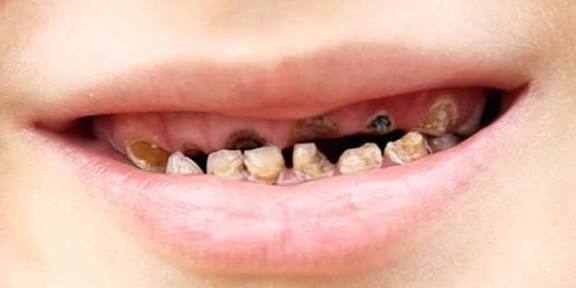
Smoking, due to its harmful compounds, causes bone and tooth structure to become more vulnerable. It causes tar residue to accumulate on teeth. It disrupts the natural balance of the oral cavity, causing bad breath. The resulting stains cause plaque to form on teeth that are not brushed regularly. Over time, these plaques can progress to inflammation.
The effects of smoking on dental health pose a much greater risk factor than other negative factors. Compared to non-smokers, the mouth and teeth of smokers are more susceptible to periodontal disease. The effects of smoking and alcohol on dental health can be life-threatening if you’re not careful.
If you regularly consume alcohol and cigarettes, you should definitely not skip your daily toothbrushing routine. While you should brush your teeth morning and evening, you should be more meticulous after smoking and alcohol use. Avoid allowing cigarette and alcohol residue to linger on your teeth for extended periods.
Brushing your teeth after breakfast will ensure your mouth is free of bacteria before your next meal. When you smoke, harmful compounds that adhere to your teeth due to smoke can cause stains. If left untreated, this discoloration can significantly damage the aesthetics of your smile. Because smoking exacerbates the staining of teeth, you should definitely see your dentist every six months for plaque and stain removal.
Like smoking, alcohol has extremely negative effects on oral and dental health. Alcohol and cigarettes are among the most common habits that negatively impact dental health. Sugary, sticky foods can also impair dental health.
Effects of Alcohol on Teeth and Mouth
When it comes to alcohol and oral health, different complaints can be observed depending on the level of consumption. Excessive alcohol consumption, over a period of time, This can then cause dryness in the mouth. Decreased saliva production can lead to a foul odor. The disrupted oral flora ultimately becomes vulnerable to inflammation and gum disease.
Alcohol causes free radicals in the body to increase and spread uncontrollably. This can trigger tumor formation in the mouth and throat, ultimately leading to the growth of cancerous cells. Free radicals, which reduce oxygen levels, prevent healthy cell development and contribute to the growth of cancerous cells.
The effects of alcohol on teeth are generally most prominent by damaging healthy tissue and triggering cavities. Bacteria accumulated on teeth erode the structure over time, causing a variety of dental problems, from stains to cavities.
Excessive alcohol consumption significantly increases the likelihood of developing oral and dental problems. Those who consume alcohol are more likely to experience tooth decay than those who do not. Increased alcohol consumption and decreased water intake can also lead to other problems in the teeth and oral structure.
Cells begin to lose their healthy structure because they cannot receive sufficient hydrogen and oxygen. Dental problems can arise not only from alcohol consumption but also from neglecting healthy water and food intake. If you consume alcohol, you should not neglect your oral hygiene habits and also be careful to drink the right amount of water.
The Combined Effects of Smoking and Alcohol on Teeth
Problems that arise from the effects of two different harmful components in the triangle of Smoking, alcohol, and dental health can be more complicated. Both cigarettes and alcohol It causes staining on teeth. Both harmful substances can accelerate tooth decay. When used together, they disrupt oral secretions and flora and inhibit healthy cell blood flow.
Excessive alcohol and cigarette consumption can lead to oral cancer, gum and gum problems, and tooth sensitivity. Problems such as cracks and fractures can even occur. Insufficient mineral and vitamin intake due to alcohol and cigarette use can weaken tooth structure.
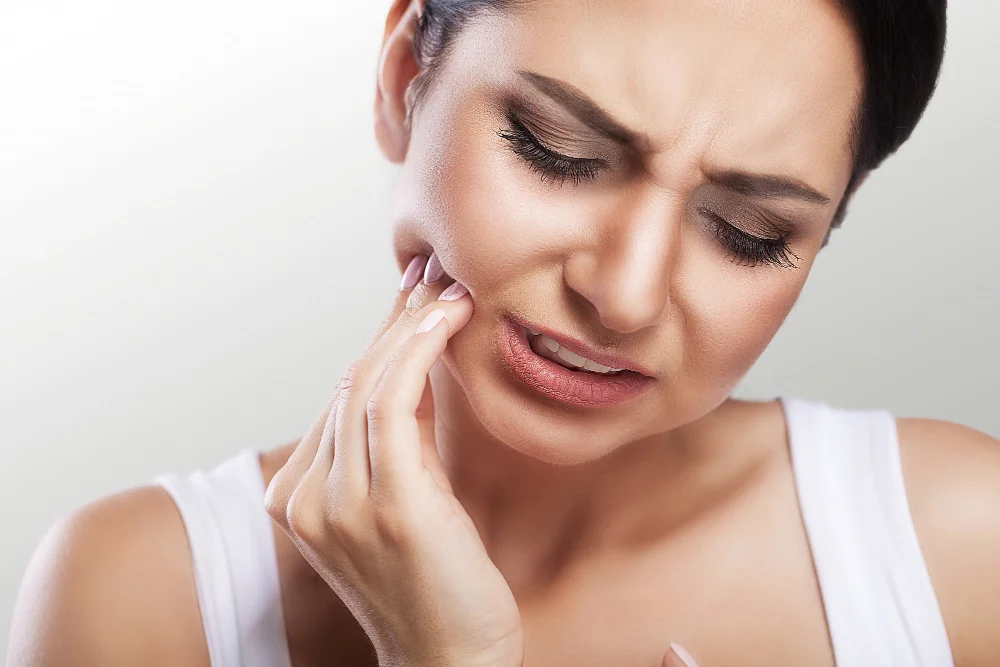
Tooth enamel loses its strength and can be eroded by bacteria over time. Cavities can cause tooth pain, accompanied by gum sensitivity and headaches. The combined effects of cigarettes and alcohol on teeth can lead to cavities that require dental fillings, root canal treatment, and bridgework.
Smoking further exacerbates staining, while alcohol consumption can also cause mouth sores. When cigarettes and alcohol are used together, oral health can deteriorate much more rapidly, and oral infections can develop much more rapidly. If you notice a significant problem with your oral and dental health, consider stopping smoking and alcohol. You should quit as soon as possible.
Harmful to Dental Health Habits
The effects of smoking and alcohol on dental health increase the risk of potential health problems. Alcohol and cigarette consumption aren’t the only causes of oral and dental health problems. Poor nutrition, insufficient water intake, and a lack of protein and calcium intake are among the major factors that impair dental health.
Dental problems can also arise due to pregnancy. However, you can largely prevent oral and dental problems you may experience. To minimize problems you may experience due to genetic factors, you should drink 2-3 liters of water a day, depending on your body weight.
Excessive sugar and carbohydrate consumption also negatively impacts your dental health. Inadequate cleaning of the pulp residue that accumulates between your teeth leads to cavities. The sticking of sugars on the teeth leads to stains and then plaque. The poor appearance of teeth caused by tartar and plaque can lead to cavities.
An unbalanced diet is not only a problem with vegetables. Consuming too much and not getting enough protein can also harm your dental health. Additionally, excessive coffee and black tea consumption can stain teeth. Consuming acidic beverages damages tooth structure. Excessive fruit juice consumption can also lead to gum and tooth problems. Instead of consuming packaged fruit juice, naturally prepared fruit juices at home can help you get vitamins that are beneficial for your teeth and oral health.
Bad habits harm teeth and oral health, but the most important thing to remember is to not neglect your daily dental care. Brushing your teeth with appropriate toothbrushes and toothpastes can largely prevent damage. You can use mouthwash and mouthwash to achieve a fresher mouth. If you can’t brush your teeth, you can reduce the risk of plaque by rinsing after eating sugary foods or meals.
Schedule an appointment with the OPC Clinic team now and receive professional treatment for your oral health problems.
To prevent potential dental problems before they occur and detect them early, you should not neglect your six-month dental visits. For healthier teeth and gums, you can have regular tartar and tartar cleanings. Regular plaque and tartar removal prevents tooth decay.
One of the best things about having white and healthy teeth is being able to express yourself easily. To live a healthier and more peaceful life, you should eat regularly and maintain good oral hygiene.