The Importance of Dental Care in Children
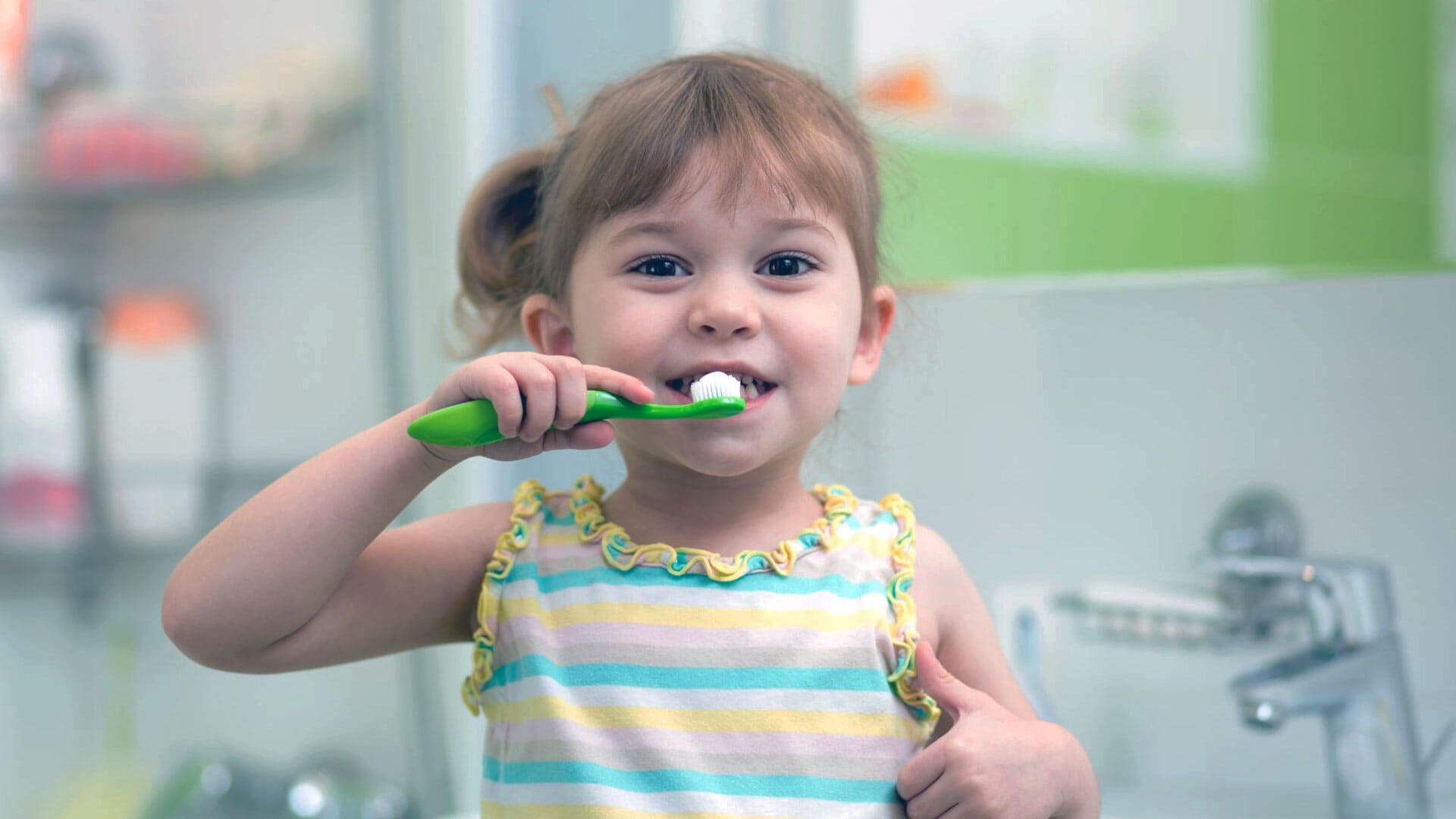
The simplest dental protection measure for children is to brush their teeth regularly. You can start by choosing toothbrushes designed specifically for your child’s oral structure.
It’s important to remember that children initially learn by seeing, not speaking. So, even if you teach them how to brush their teeth, it can be difficult to reinforce this behavior unless you do it yourself. Therefore, as a role model, you can brush your teeth alongside your children.
By teaching proper toothbrushing technique, you not only protect your children’s dental health, but you can also protect them from inflammation, toothaches, and blood vessel damage caused by tooth decay.
From newborns until teething, your child doesn’t require any special dental care. The general rule of thumb for brushing teeth is 2.5 to 3 years. Brushing your child’s teeth from the moment they start to erupt provides effective protection against cavities. To prevent tooth decay, you should ensure you use the correct brushing technique.
 Proper Teeth Brushing in Children Technique
The frequency of tooth brushing in children is essentially the same as in adults. Children should brush twice a day, morning and evening, as in adults.
Brushing teeth in the morning helps prevent yellowing and discoloration. Brushing in the evening helps prevent bacteria that may build up in your child’s mouth while they sleep.
Toothbrush and Toothpaste Selection
Choosing a toothbrush for children should be soft enough to match their gums. This will help prevent damage to their gums while brushing. A toothbrush that is too hard can cause bleeding gums.
Choosing toothpaste is just as important as the toothbrush itself. Sometimes, whitening toothpastes can damage tooth enamel and gums. Keeping in mind that children are more sensitive, you should choose toothpastes specifically designed for them.
The fluoride content of your chosen toothpaste should be between 250-400 ppm. For more detailed information, you can contact OPC clinic specialists. You can get more detailed information about oral health and care by having your child examined.
 Creating Teeth Brushing Fun
You can say “Hello!” to energetic and cheerful children with techniques suitable for them. Therefore, you can choose an energetic and fun method for providing oral care. For example, you can pretend you’re visiting the dentist by examining your child’s teeth, then use a toothbrush and a model of the teeth to create a role-play.
First, you can provide a visual explanation using the model or children’s books about oral and dental health. This way, you can help your young children, whose abstract intelligence is not yet fully developed, visualize what their own teeth look like and how they should look.
You can make brushing your teeth a fun activity for children. Fun toothbrushing can make it easier for children to form a habit.
Children who learn to brush their teeth at a young age may embrace it not only as a responsibility but also as something that benefits them. Some children may refuse to brush their teeth. For children to adopt a behavior, they first need to enjoy it or have a solid reason to do it.
You can make it easier to turn brushing into a habit by making it a game. You can facilitate this with little dances you do while brushing, specially patterned toothbrushes, and toothpaste they like. After a while, even if you don’t pick up a toothbrush, your child will pick up a toothbrush before bed.Your child may start coming to you.
Ensuring they brush their teeth is essential for dental care in children. However, it’s not enough on its own. You should make sure to visit your dentist regularly to identify potential dental problems early on.
Dentist Visits in Children
Children’s dentist visits are as important as oral care. They help you understand what you can do to ensure more effective dental care from the moment they reach the age of brushing.
You should visit the dentist every six months for both you and your child. Visits that turn into enjoyable activities you do together help them get used to dental checkups.
Dental checkups in children help detect potential dental problems early. They help identify and correct crooked or impacted teeth.
Identifying all conditions requiring orthodontic, surgical, and cosmetic treatment early supports healthy dental development. This will help you raise individuals with high self-confidence, white teeth, and a lack of bad breath.
The approach of your chosen dentist will also help your child be more willing to visit the dentist. Dental checkups, a must-have for children’s dental care, help prevent major problems before they develop. Children who become accustomed to procedures like teeth cleanings from a young age don’t view visiting the dentist as a fearful experience.
 Dental Protective Measures in Children