Often dismissed as unimportant due to the misconception that “they’ll fall out anyway,” children’s dental health is actually vital for your child’s overall development, speech, nutrition, and future jaw structure. As OPC Clinic, a center specializing in Pedodontics (Pediatric Dentistry) in Suadiye, Istanbul, we aim to help parents go beyond common beliefs about their children’s oral health.
Children’s dental health isn’t just about repairing cavities; it’s also about establishing healthy habits at an early age and eliminating dental anxiety. Here are 10 Little-Known Facts About Children’s Dental Health, backed by OPC Clinic’s scientific approaches, that will shape the future of your child’s smile. The First Cavity Comes Not from Bacteria, But from a ‘Kiss’ from the Mother
Fact: The bacteria that causes tooth decay, Streptococcus Mutans, are not present in babies’ mouths at birth. They are usually transmitted from the adults closest to the child, such as their mother, father, or caregiver, through saliva contact.
- OPC Clinical Alert: Licking your baby’s spoon, cleaning a dropped pacifier with your own mouth, or trying the bottle to check the temperature can transmit this bacteria to your child. Parents’ attention to their own oral hygiene is the first and most critical step in protecting their child’s dental health. This is the first step in promoting oral health awareness, which begins in the womb.
2. Baby Teeth Are Not ‘Temporary’ Teeth, They Are the Architects of Permanent Teeth
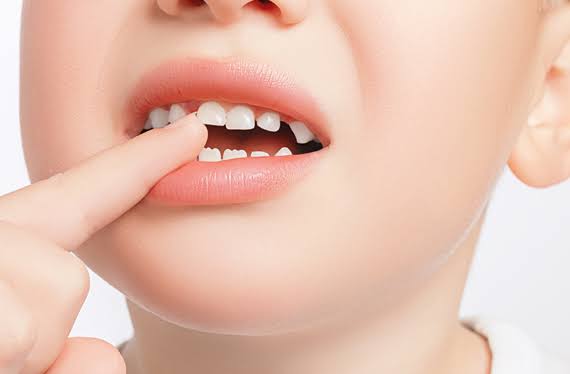
Fact: The primary function of baby teeth isn’t just for chewing. They act as space maintainers and guides for permanent teeth. Each baby tooth has a dedicated space for the permanent tooth to erupt in the correct position and time.
- Risk: A prematurely lost baby tooth due to early decay or trauma can cause the adjacent teeth to shift into the space. This shift can cause the underlying permanent tooth to become crowded or crooked, requiring lengthy and costly orthodontic treatment in the future. Preserving baby teeth is the key to a healthy smile in the future.
3. The First Dentist Visit Should Be Before the First Tooth (1-Year-Old Rule)
Fact: The American Academy of Pediatric Dentists (AAPD) recommends that the first dental visit occur after the first tooth emerges (approximately 6-8 months) or no later than 1 year of age.
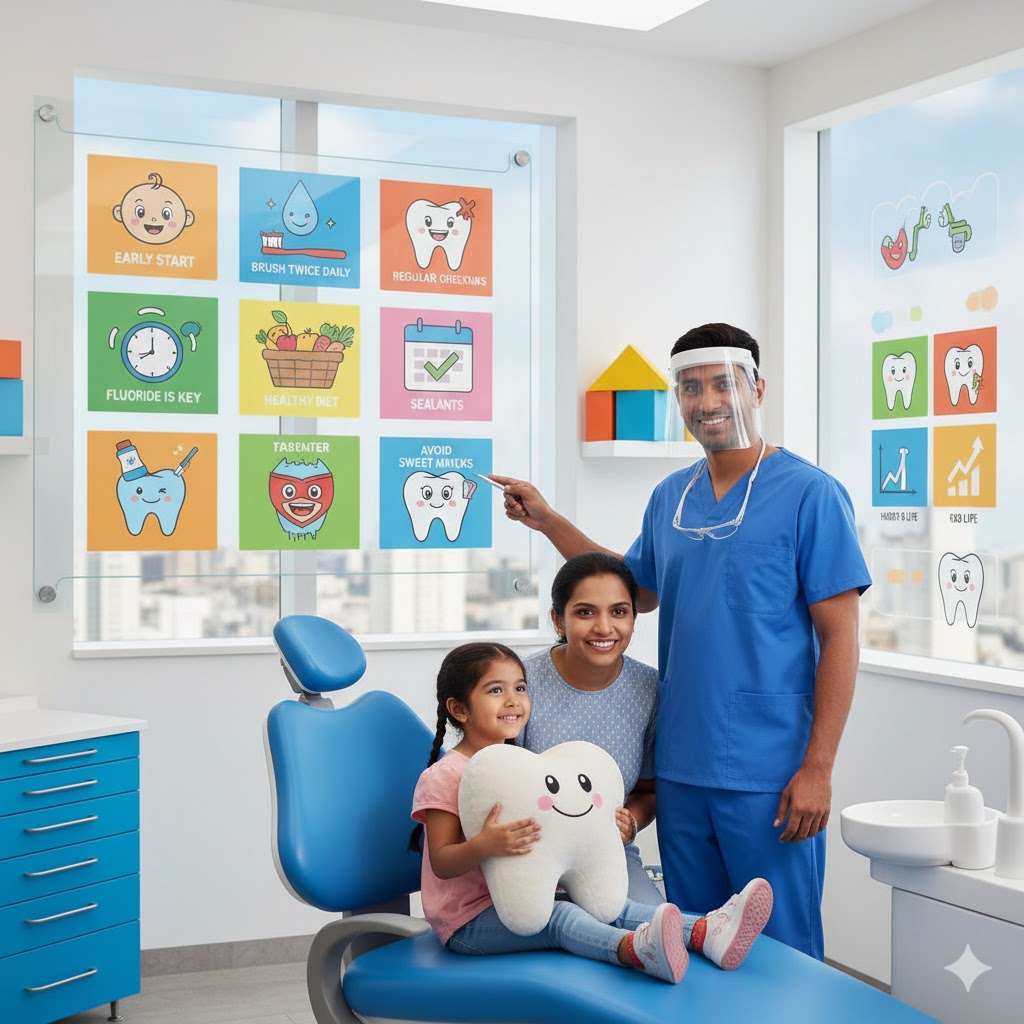
- OPC Clinical Suadiye Pedodontics Approach: This visit is focused on Introduction, Information, and Protection, not treatment.
- Introduction: The child is encouraged to develop a positive bond with the clinic.
- Information: Parents are informed about proper brushing techniques, feeding habits, and thumb sucking/pacifier cessation strategies.
- Prevention: The risk of tooth decay is assessed, and preventive fluoride applications are planned if necessary.
4. Contrary to popular belief, baby bottle tooth decay isn’t just caused by baby bottles.
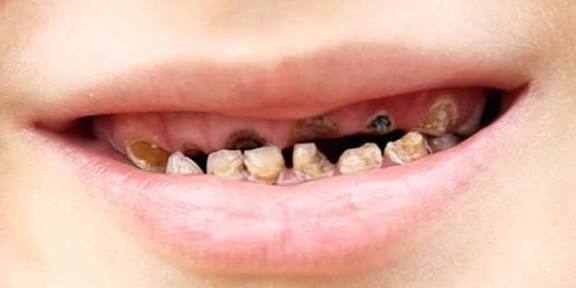
Fact: Baby bottle tooth decay, also known as early childhood caries (ECCC), is not only caused by sleeping with a bottle at night but also by frequent consumption of sugary liquids throughout the day. This includes breast milk, cow’s milk, fruit juices, and sweetened teas.
- Acid Attack: Every contact with sugary liquids increases the acid level in the mouth, and this “acid attack” lasts about 20 minutes. Frequent snacking robs teeth of the opportunity to repair themselves (remineralize).
- Item-by-Item Recommendation:
- Frequency Matters: Sugary foods or drinks should be consumed with main meals and not spread throughout the day.
- Water Consumption: Drinking water after main meals or snacks is the simplest and most effective way to help neutralize acid in the mouth.
- Item-by-Item Recommendation:
5. Teeth Grinding (Bruxism) Can Be a Part of Natural Development, Not Just Stress
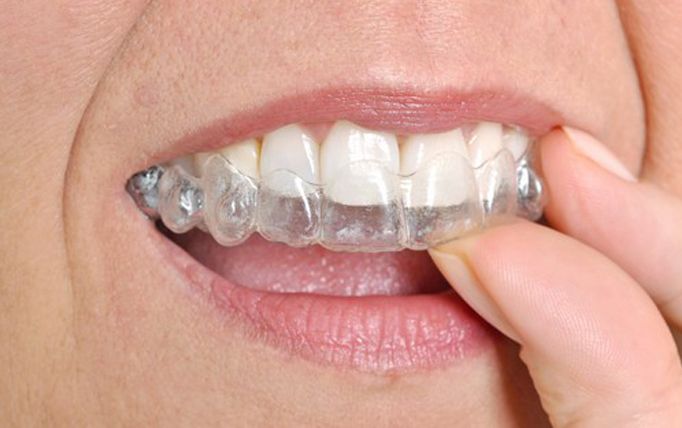
Fact: Teeth grinding (bruxism) is common in children and typically occurs naturally around age 6, as the jaw and teeth settle, and disappears on its own. However, persistent and severe bruxism can be caused by sleep-disordered breathing, improper bite, or emotional stress.
- OPC Clinical Checkup: Our pediatric dentist evaluates the severity and cause of the grinding. If enamel erosion is severe or damaging the jaw joint, simple preventative measures such as a night guard can be used.
6. Yellow Teeth Are Stronger (Often a Misconception)
Fact: Permanent teeth appear yellower than primary teeth because:
- Dentin Thickness: The dentin layer (the yellow part) of permanent teeth is thicker.
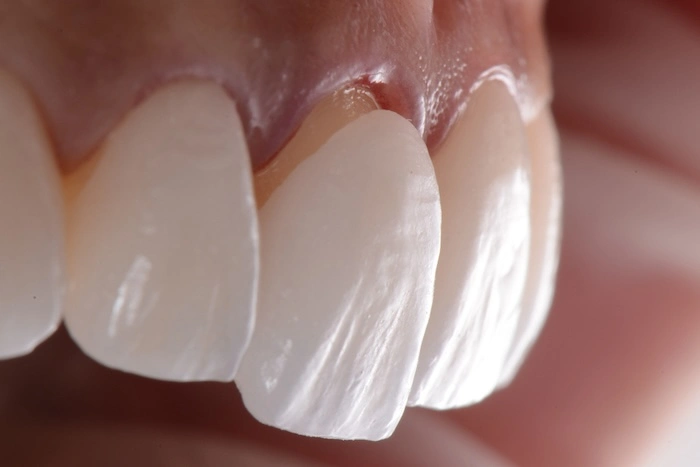
- Enamel Density: Primary teeth have more opaque (white) enamel, while permanent teeth have more translucent enamel, which is the color of the underlying yellowish dentin.Reflects the tooth.
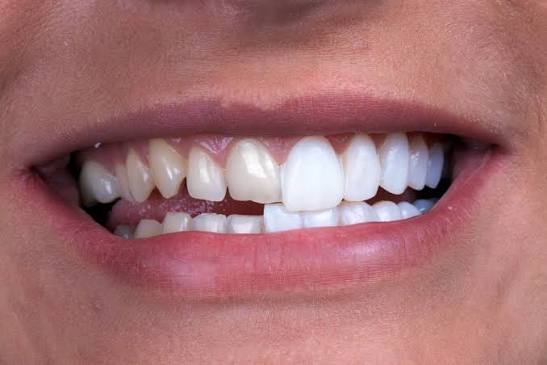
- Pedodontic Observation: Newly emerging permanent teeth may appear more yellow next to the pristine white primary teeth. This is not staining, but a natural anatomical difference and is not directly related to the tooth’s health. However, this does not eliminate the need to maintain enamel health with proper brushing.
7. Your Teeth Are Not Made of Bone, But Enamel Is the Hardest Substance in the Body
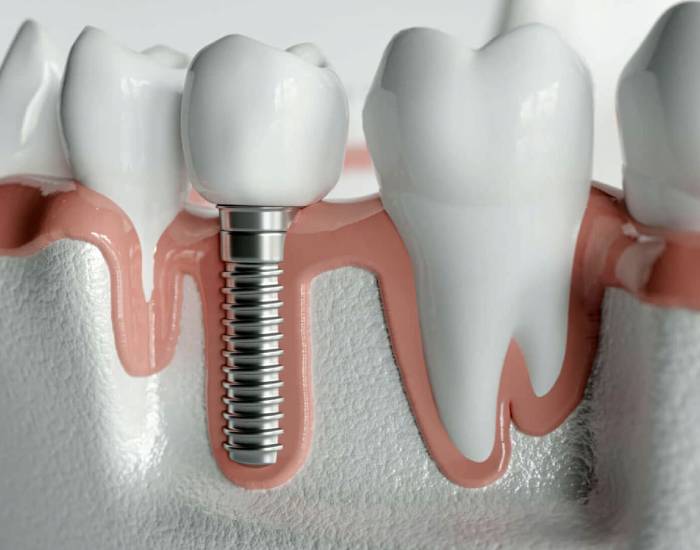
Fact: Teeth have a different structure than bone. Enamel, which covers the outer surface of the tooth, is the hardest and most mineral-rich substance in the body.
- Vulnerability: While bone can repair itself, enamel can repair itself to a limited extent (remineralization). When decay begins, preventive pediatric treatments (fluoride varnish and fissure sealant) are vital for enamel repair.
8. The Canine of the 8th Primary Tooth Remains in the Mouth the Longest
Fact: The order of deciduous teeth shedding generally proceeds from front to back. While the front incisors fall out around age 6-8, the upper and lower canines and second molars can remain in the mouth until age 10-12.
- Clinical Importance: Keeping these temporary teeth free of decay is vital for the critical final stages of jaw development. OPC Clinic meticulously maintains regular checkups and preventive treatments to ensure these teeth remain in the mouth until they fall out.
9. Cheese Consumption Neutralizes Acid Attacks
Fact: Thanks to its high calcium and phosphate content, cheese stimulates saliva flow and quickly raises the pH level in the mouth, neutralizing the acidic environment.
- Practical Tip: Consuming a piece of cheese at the end of lunch or dinner, especially after a sugary dessert, provides a small but effective defense against acid attack on tooth enamel.
10. Tooth Loss During Pregnancy Is Due to Improper Hygiene and Inflammation, Not the Baby
Fact: Contrary to popular belief, the baby does not absorb calcium from the mother’s teeth. The main reasons for increased tooth loss during pregnancy are gingivitis triggered by hormonal changes and inadequate oral hygiene following morning sickness.
- OPC Clinic Preventive Medicine: Maintaining a mother’s gum health before and during pregnancy is critical not only for her own health but also to minimize the risk of transmitting caries bacteria to her baby in the future. Dental treatment can be performed safely and appropriately during pregnancy.
OPC Clinic Suadiye: Global Pedodontic Standards for Your Child’s Smile
Centrally located in Suadiye, close to Bağdat Street, OPC Clinic offers not only treatment but also a comprehensive preventative approach in pediatric dentistry. With our specially designed clinical environment for children, advanced technology equipment, and experienced Pedodontic specialists;
| Preventive Service Name | Purpose | OPC Clinical Difference |
| Fissure Sealant (Dental Vaccine) | Prevents food accumulation and caries by sealing the deep grooves (fissures) on the chewing surfaces of molars. | Reduces the risk of caries by up to 80% with a completely painless and needle-free application. |
| Fluoride Varnish Application | Strengthens tooth enamel, increases acid resistance, and helps repair early-stage cavities to be. | Depending on the child’s level of cooperation, it’s possible to make the treatment process stress-free with Laughing Gas (Nitrous Oxide Sedation). |
It’s important to remember that healthy dental habits and positive clinical experiences acquired in childhood are the guarantee of an individual’s lifelong oral health. Understanding the scientific facts behind your child’s smile and receiving the right clinical guidance is the most important step toward a healthy future. OPC Clinic Suadiye is happy to support you and your child on this conscious journey.